3 hr
Genoa Rooftop Cooking Class: Pesto & Fresh Pasta
- Entry ticket
- Mobile voucher
- Valid same day
- Free cancellation
Genoa Pesto Cooking Class — Mortar, Marble, Basil
Green stone and green leaf, ground slowly into lunch.
Compare fares, pick the fit — all bookings are mobile-voucher and eligible for free cancellation where shown.
3 hr
2 hr 30 min
1 hr 30 min
Choosing a genoa pesto cooking class allows you to master traditional culinary techniques using a mortar and pestle in historic settings. These private, hands-on food experiences offer an authentic way to engage with the local culture of the Italian Riviera.
| Standard Class Palazzo Experience | Private Workshop Market-to-Table | |
|---|---|---|
| Cooking Method | Mortar and pestle | Mortar and pestle |
| Location | Private historic kitchen | Palazzo or Market-based |
| Meal Included | Full lunch included | Full lunch included |
| Duration | 4 hours | 4.5 hours |
| Best for | Traditionalists | First-timers |
Verdict: Select the standard genoa pesto cooking class tour for a focused culinary lesson, or opt for the market-inclusive genoa pesto cooking class tickets if you prefer a comprehensive city exploration.
Worth it for hands-on cooks, not passive diners
A genoa pesto cooking class sells skill, not a meal. What you take home is technique: the marble mortar and wooden pestle, the grinding motion that bruises rather than shreds Genovese basil, why Ligurian DOP basil, Parmigiano and pecorino Fiore Sardo, pine nuts and garlic behave the way they do. Restaurant pesto disappears in twenty minutes; the mortar-and-pestle method stays with you. The listed workshops split cleanly by what you actually want. A rooftop pesto and fresh pasta session or a pesto, gnocchi and tiramisu workshop suits anyone wanting a full Ligurian repertoire, including trofie and trenette. The World Champion class with a Ligurian tasting menu is the one for cooks who care about the pesto al mortaio competition standard. Pesto making tours in the historic center pay off if you cook at home. If you only want to eat well, book a trattoria instead.
Bottom line: Book a genoa pesto cooking class tour if you want the technique in your hands; skip it if you just want a good plate of trofie.
They complement each other; most visitors who do both call the genoa pesto cooking class the more sensory-focused experience while the focaccia workshop provides deeper technical insight into Ligurian doughcraft.
|
Top pick Pesto Class |
Focaccia Class | |
|---|---|---|
| Primary technique | Mortar and pestle grinding | Kneading and proofing |
| Ingredients focus | Fresh basil and pine nuts | Flour and cheese |
| Skill level | Beginner friendly | Intermediate effort |
| Typical duration | 1.5–3 hours | 3.5–4.5 hours |
| Setting | Historic homes or palaces | Professional kitchen or home |
| Market inclusion | Often paired with tour | Usually lab-based |
| See tickets & prices |
Verdict: If you want a rapid, authentic cultural immersion with immediate tasting rewards, choose a genoa pesto cooking class tour; if you seek to master the complex art of traditional Italian leavened breads, opt for the focaccia-focused genoa pesto cooking class tickets that include baking components.
Hand-picked experiences loved by thousands of travelers
2.5 hours
Free Cancellation
Master traditional Italian pasta and dessert techniques with a local chef in Genoa's culinary heart
2 hours
Free Cancellation
Master three classic Italian recipes in a local's home near the historic Palazzi dei Rolli
1.5 hours
Free Cancellation
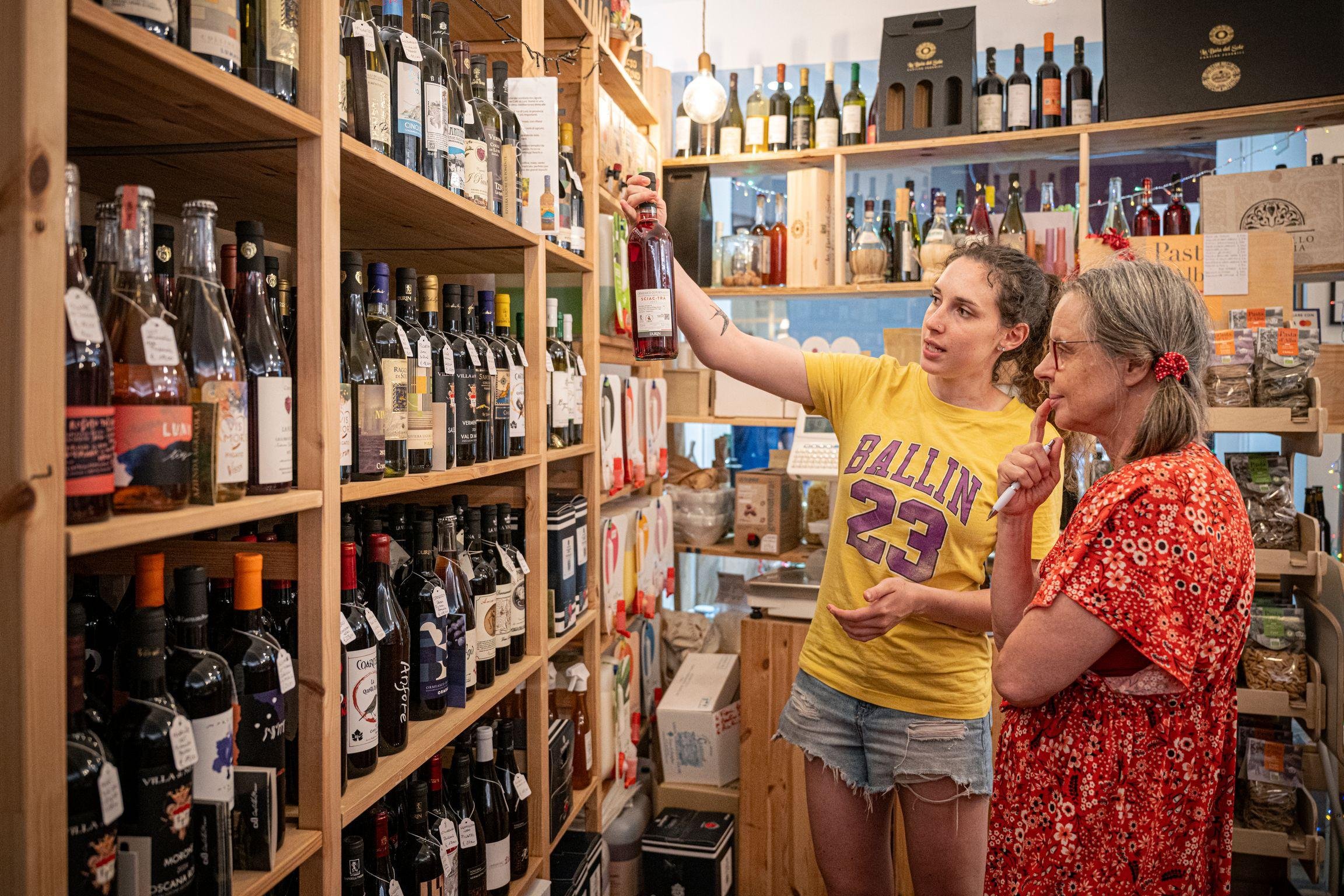
Sample five regional wines paired with basil pesto, focaccia, and cheese in a historic family-run shop
2 hours
Free Cancellation
Master authentic Italian pasta-making techniques in Genoa's culinary heart with expert chefs
3.5 hours
Free Cancellation
Master authentic Ligurian dishes including pesto, focaccia, and handmade biscuits in a hands-on class
1.5 hours
Free Cancellation
Master the art of Ligurian cuisine in an elegant 18th-century home with a certified pesto expert
3.5 hours
Free Cancellation
Learn to craft potato gnocchi and traditional pesto by mortar in a family-run Ligurian shop
2-3 hours
Free Cancellation
Master handmade pasta and Italy's beloved dessert in a welcoming local kitchen with expert home cooks
Select fresh basil and pine nuts
Learn mortar and pestle techniques
Enjoy the finished pasta dish
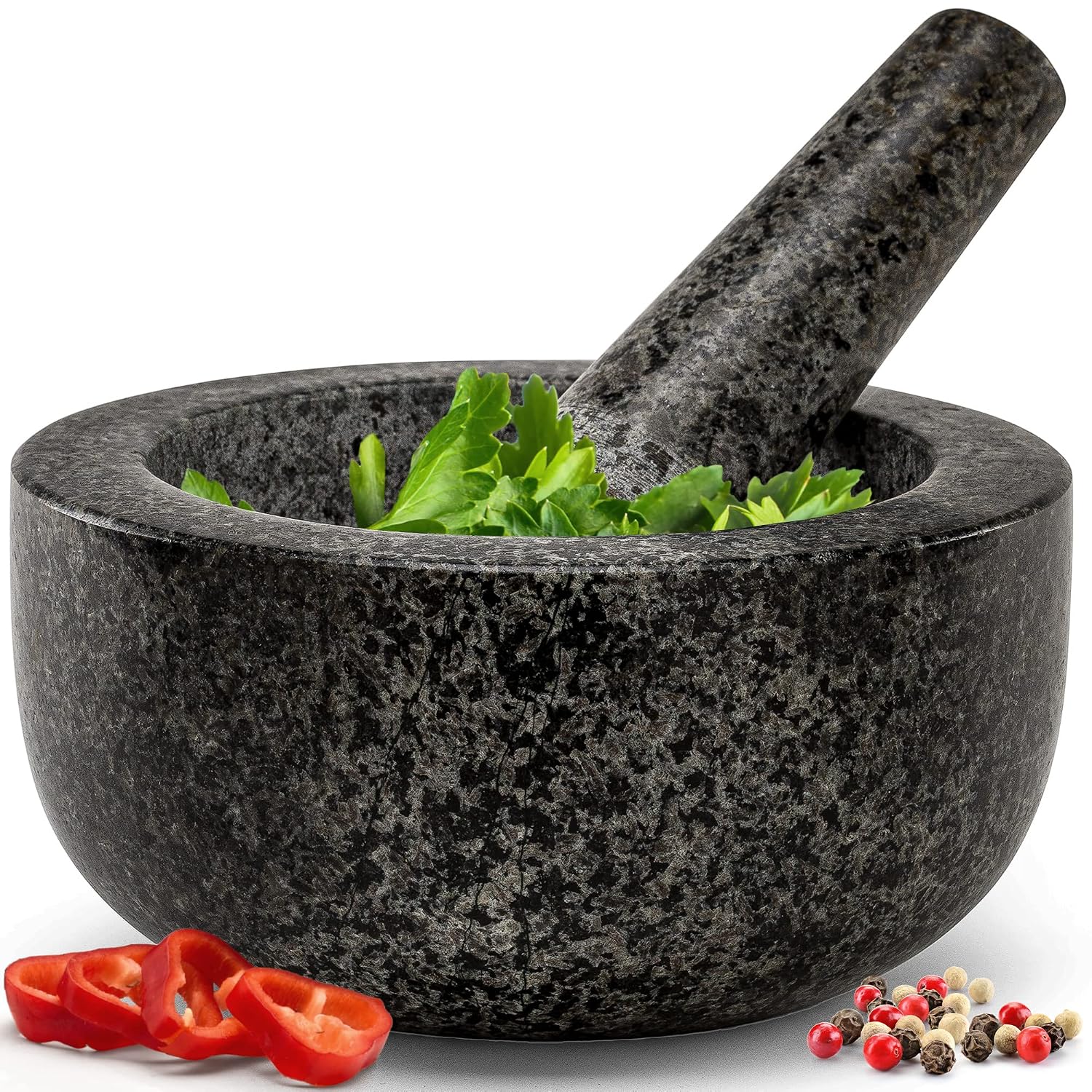
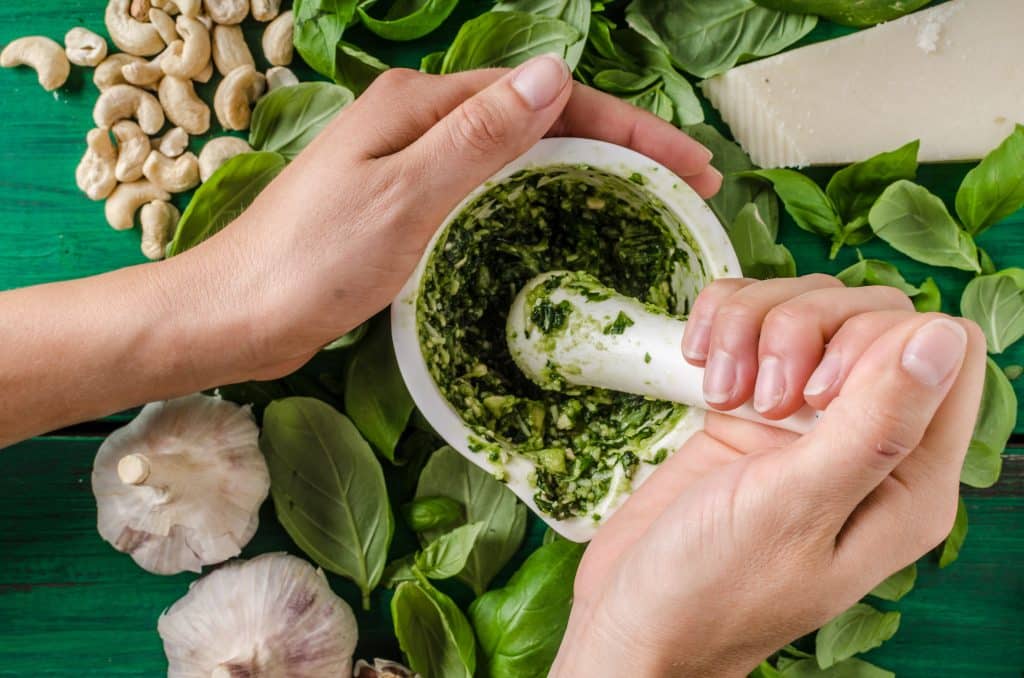
Traditional tool used to crush basil and garlic without burning the leaves. It is the heart of every genoa pesto cooking class.
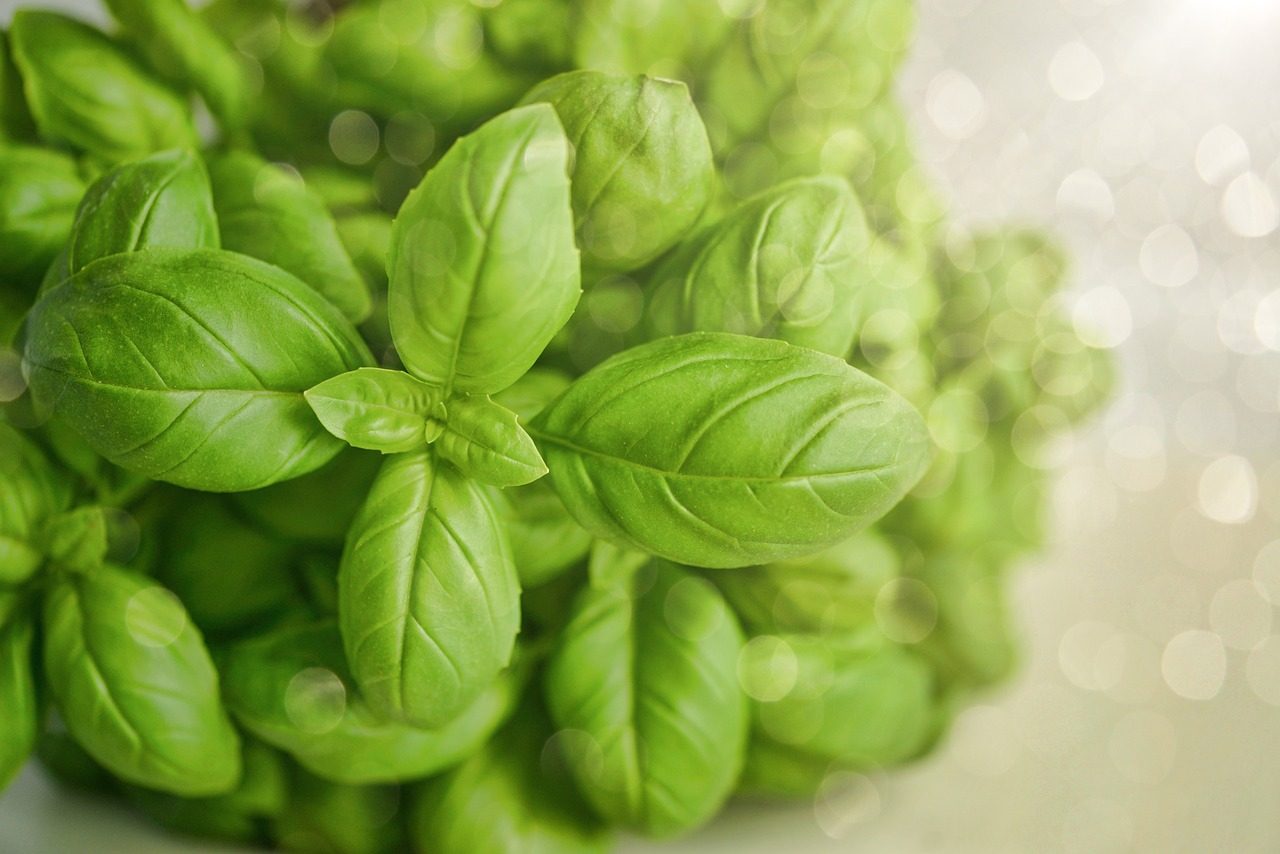
Fragrant local leaves essential for authentic sauces. It is sourced fresh for your genoa pesto cooking class.
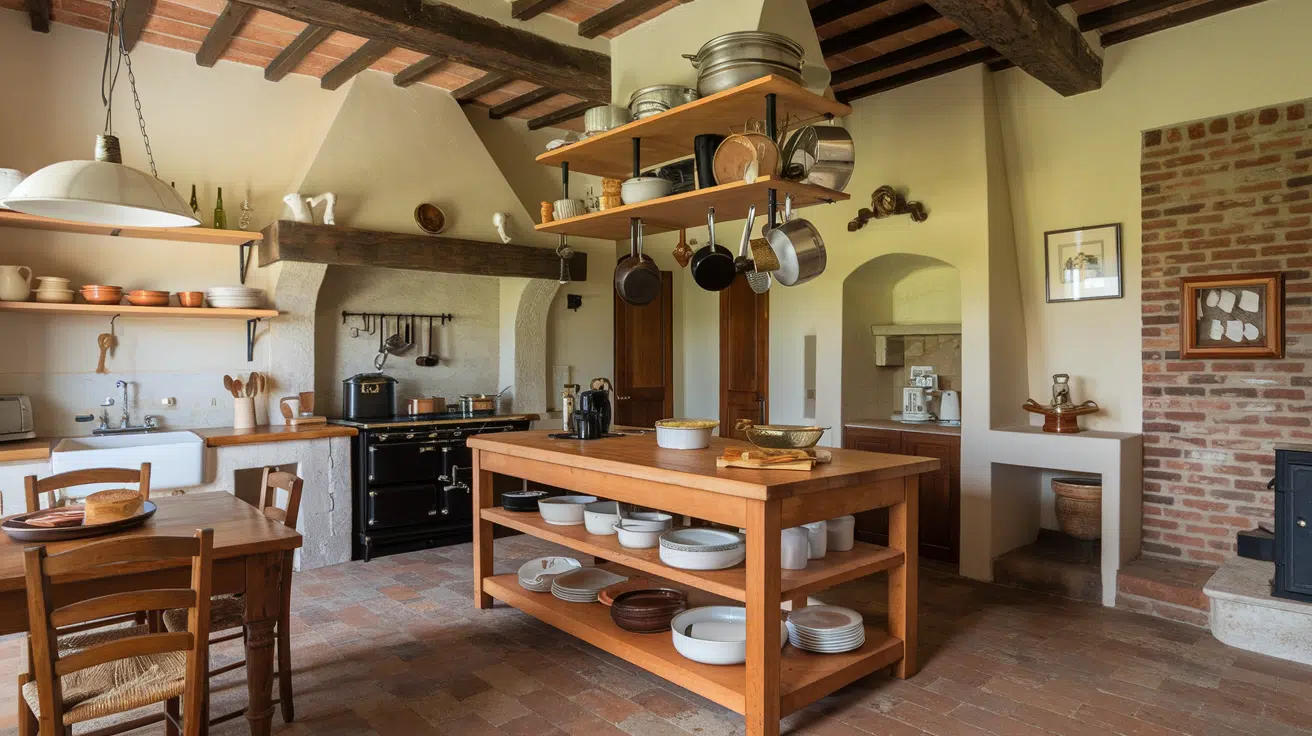
Authentic cooking space in an ancient building. These settings provide the atmosphere for every genoa pesto cooking class.
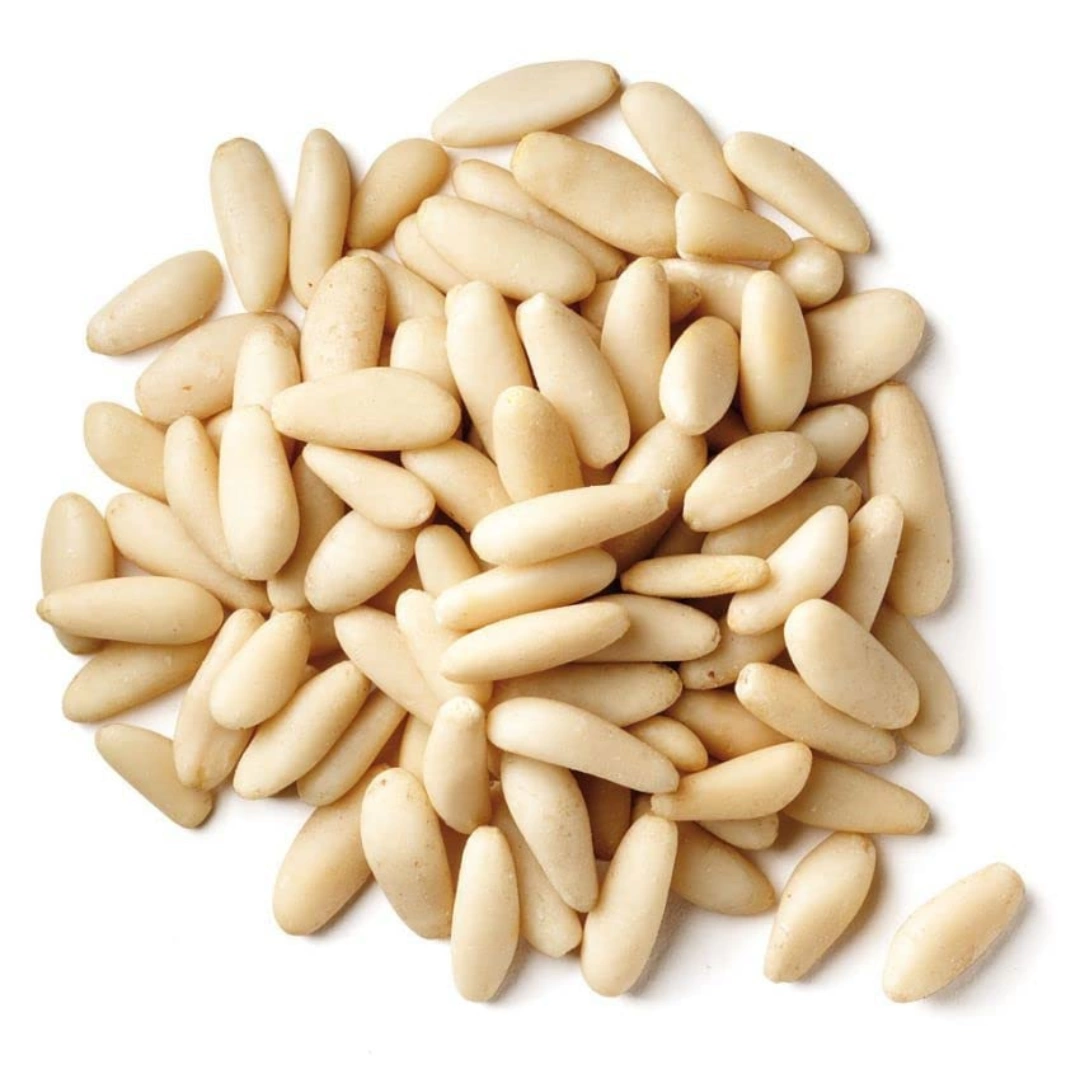
Premium ingredients used to provide texture and flavor. Chefs emphasize quality during each genoa pesto cooking class.
Time-honored methods taught by local chefs. Mastery of these skills defines a successful genoa pesto cooking class.
You arrive between 09:30 and 14:00, the window the historic centre keeps for market-to-table sessions. Some classes begin at a stall in the caruggi, where you press a basil leaf between your fingers and smell for the absence of mint.
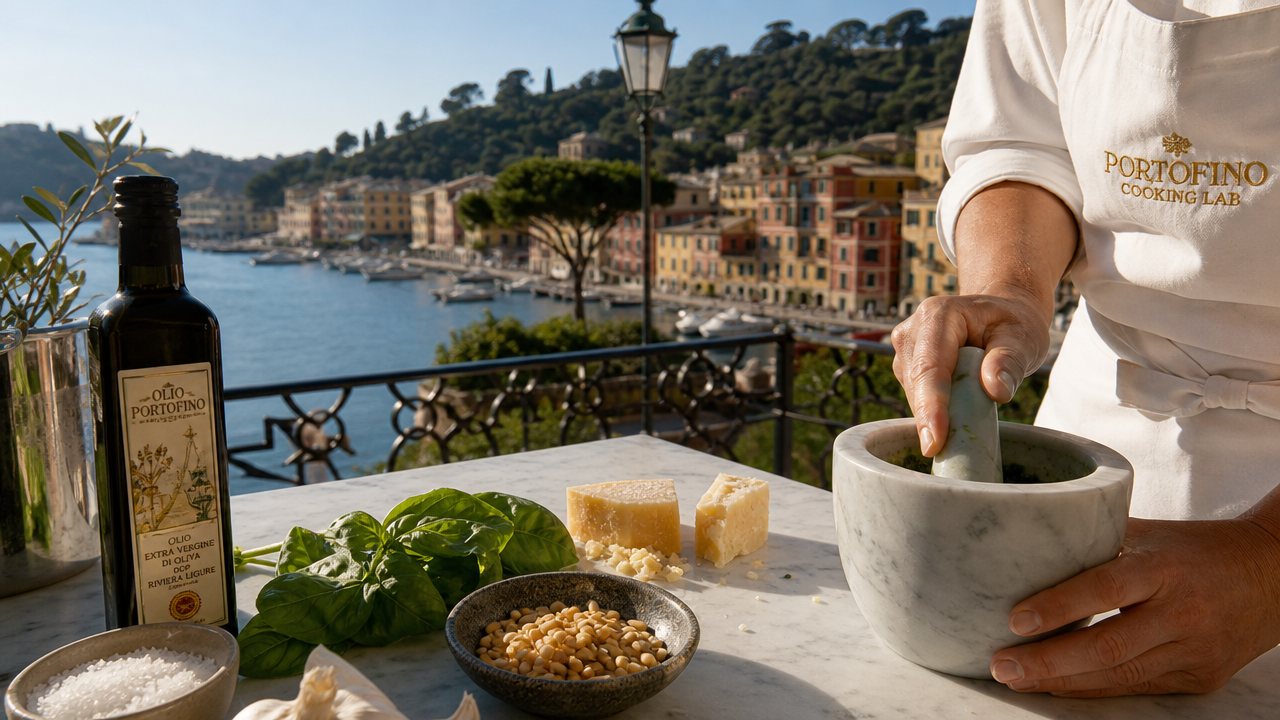
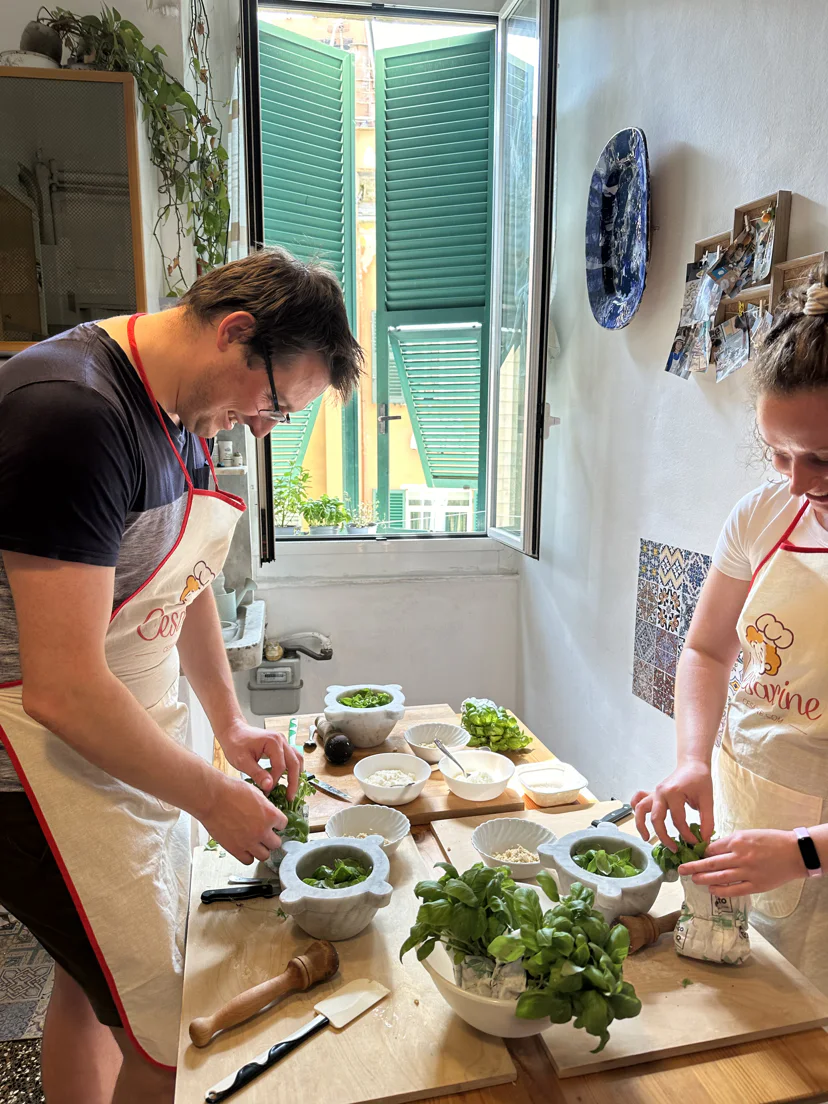
Others start upstairs, on a rooftop terrace with the harbour cranes in the middle distance.
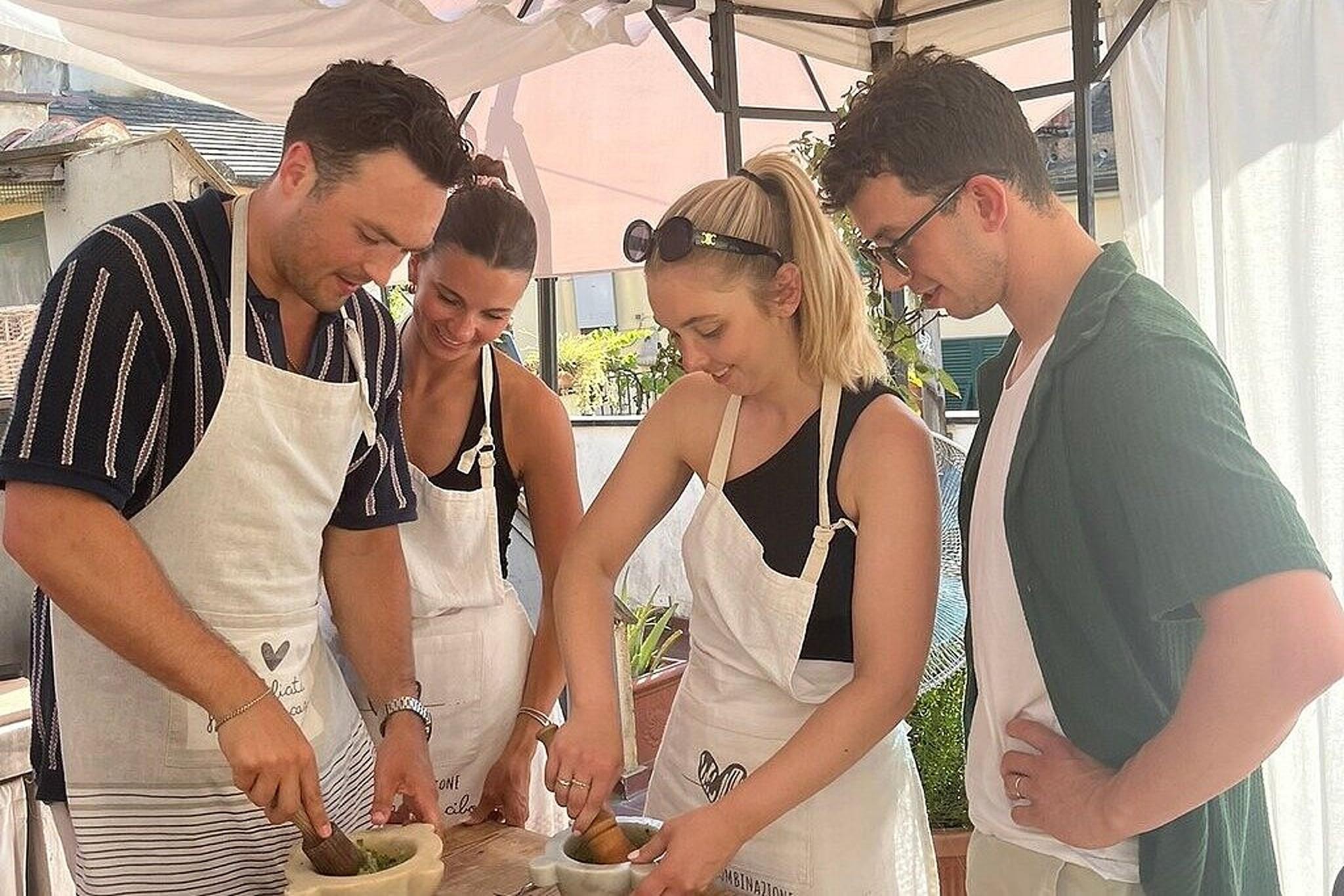
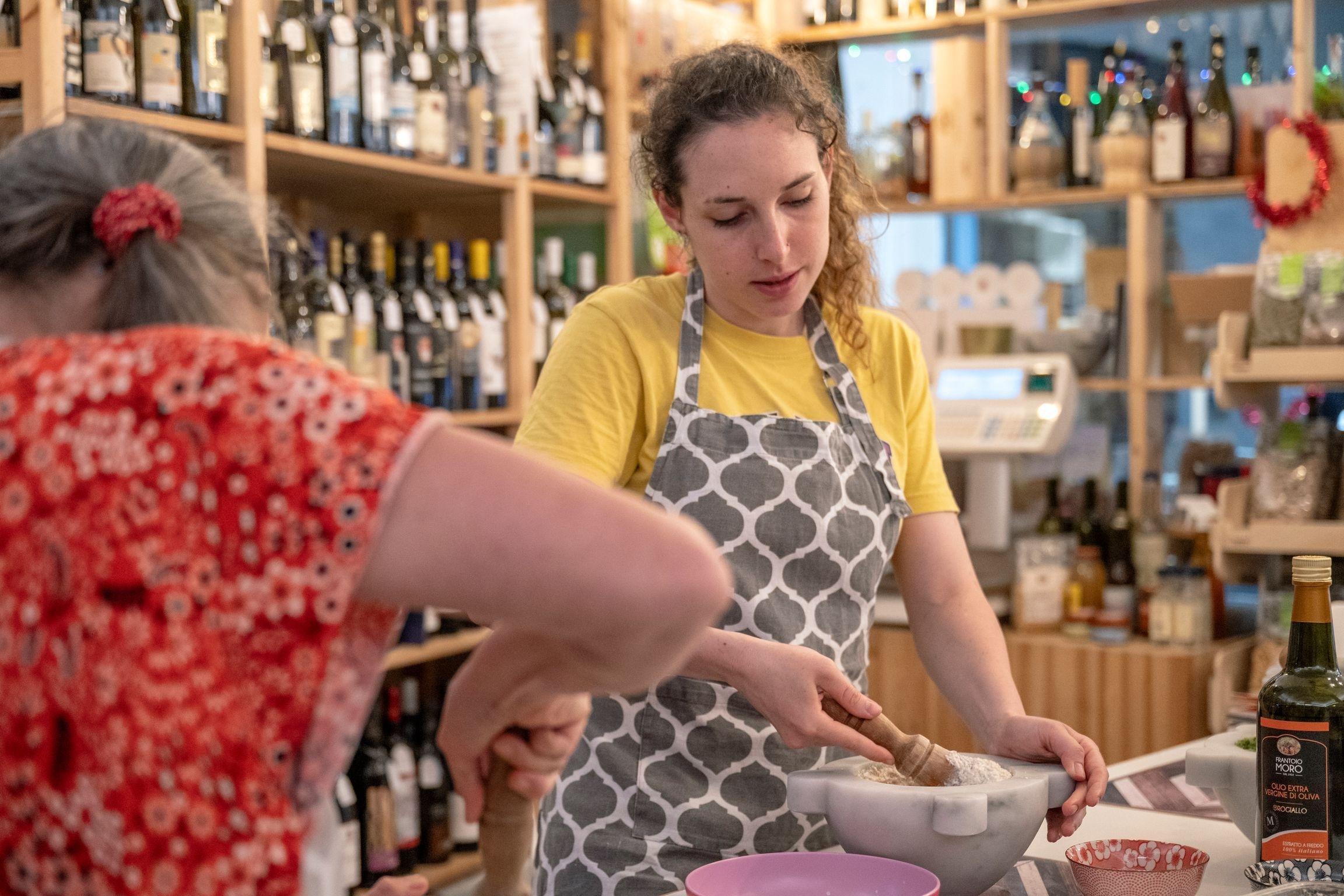
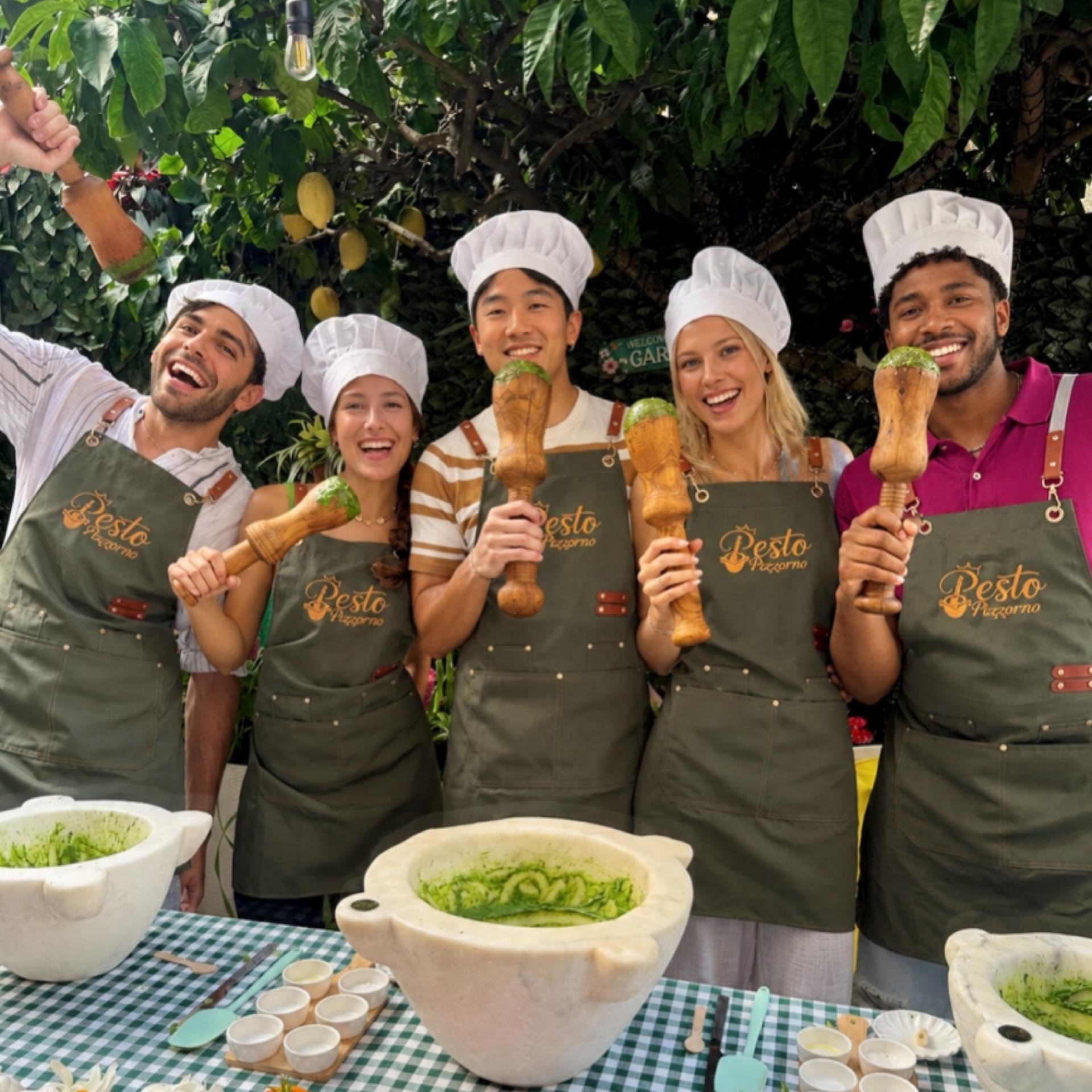
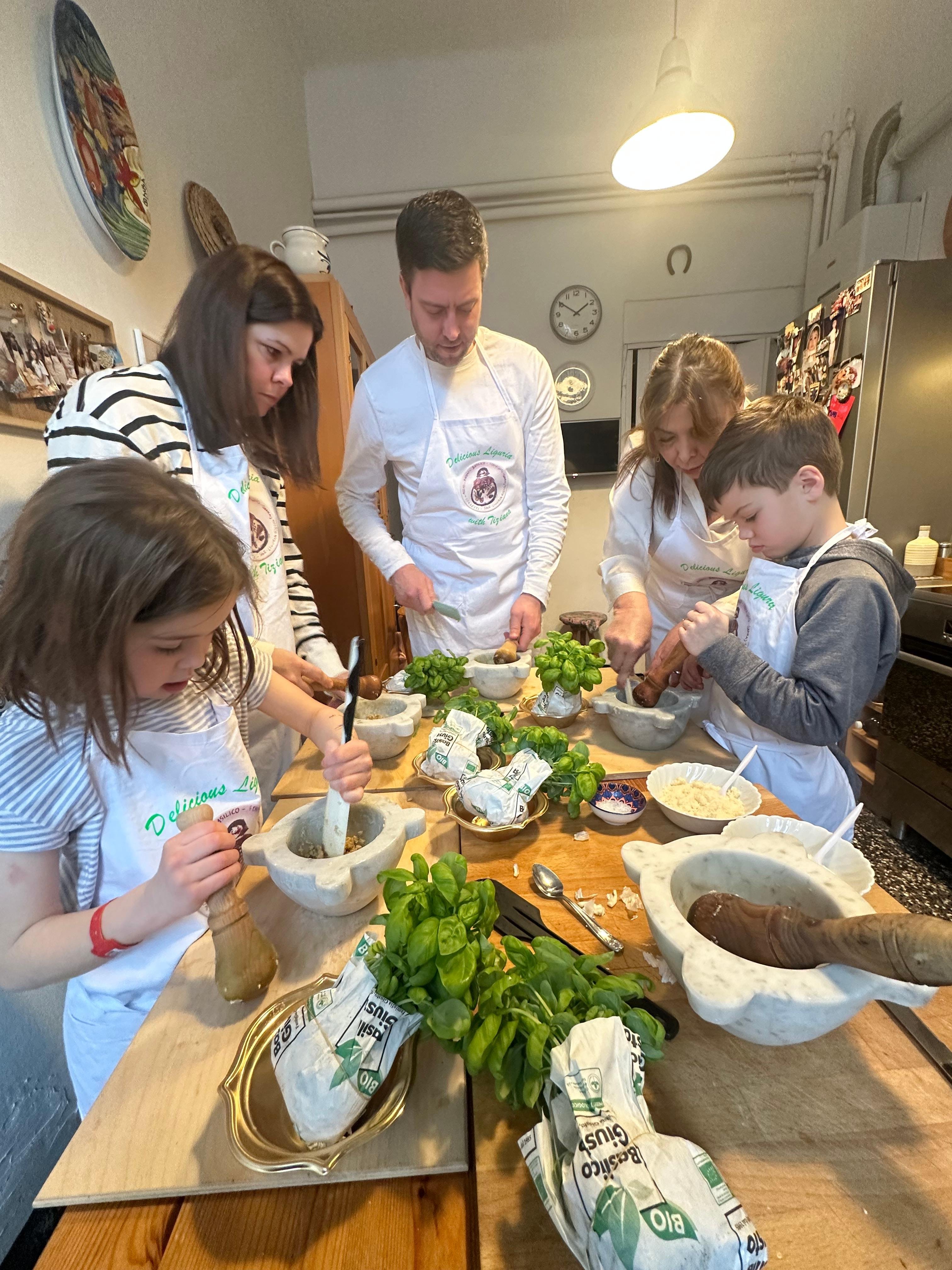
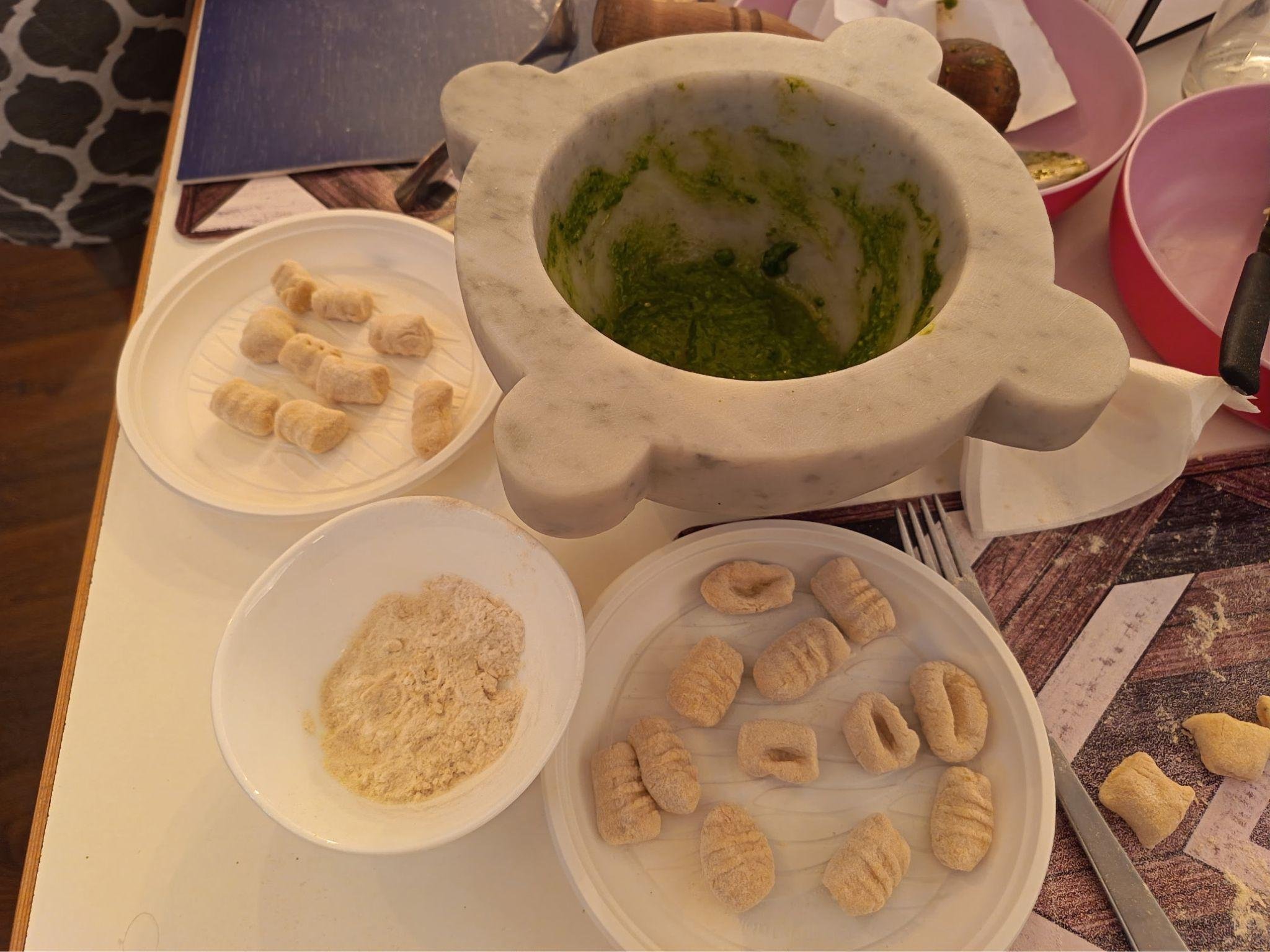
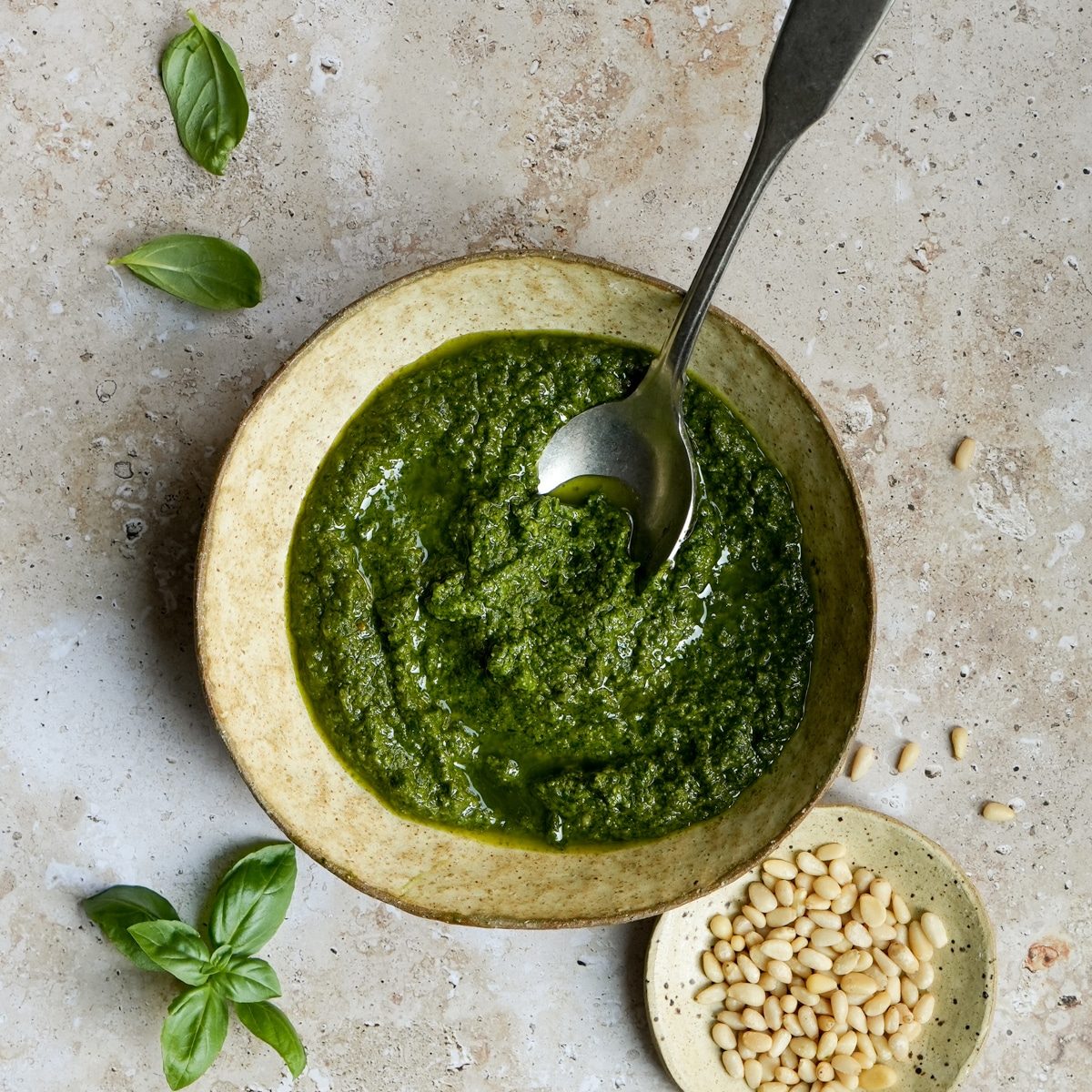
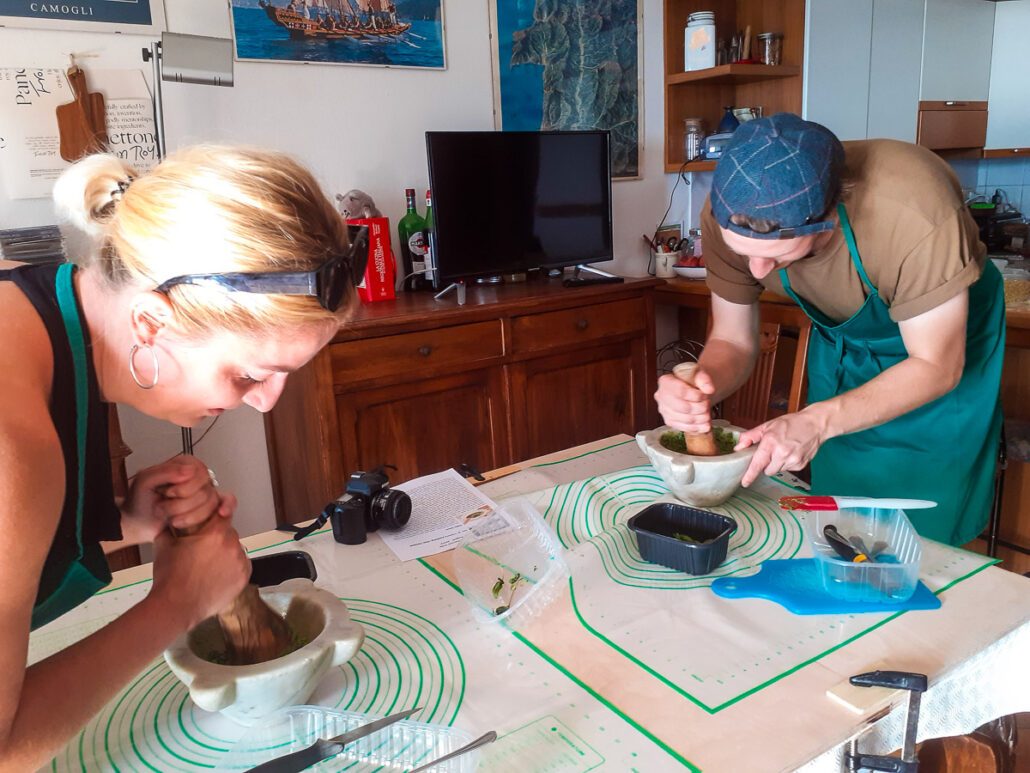
You wash your hands. A marble mortar is set in front of you, heavier than expected — you will need to hold it steady with your forearm. Coarse salt goes in first, then two cloves of garlic, and you learn within thirty seconds that the pestle circles rather than strikes. Pine nuts follow. Then basil, a small handful at a time, until roughly fifty leaves have gone in and the paste has turned the colour the label promises. Cheese, then oil, poured in a thread while you keep turning.
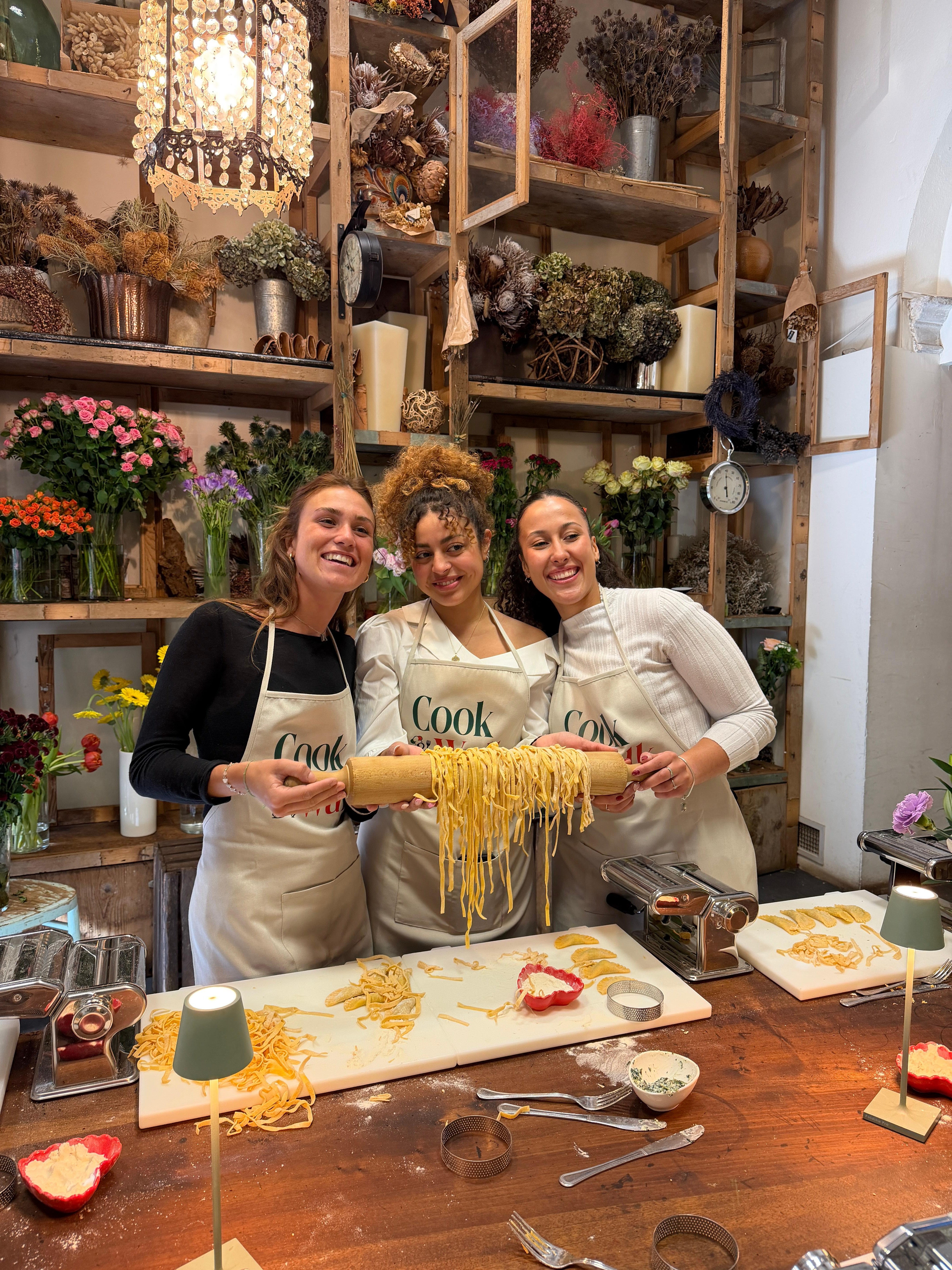
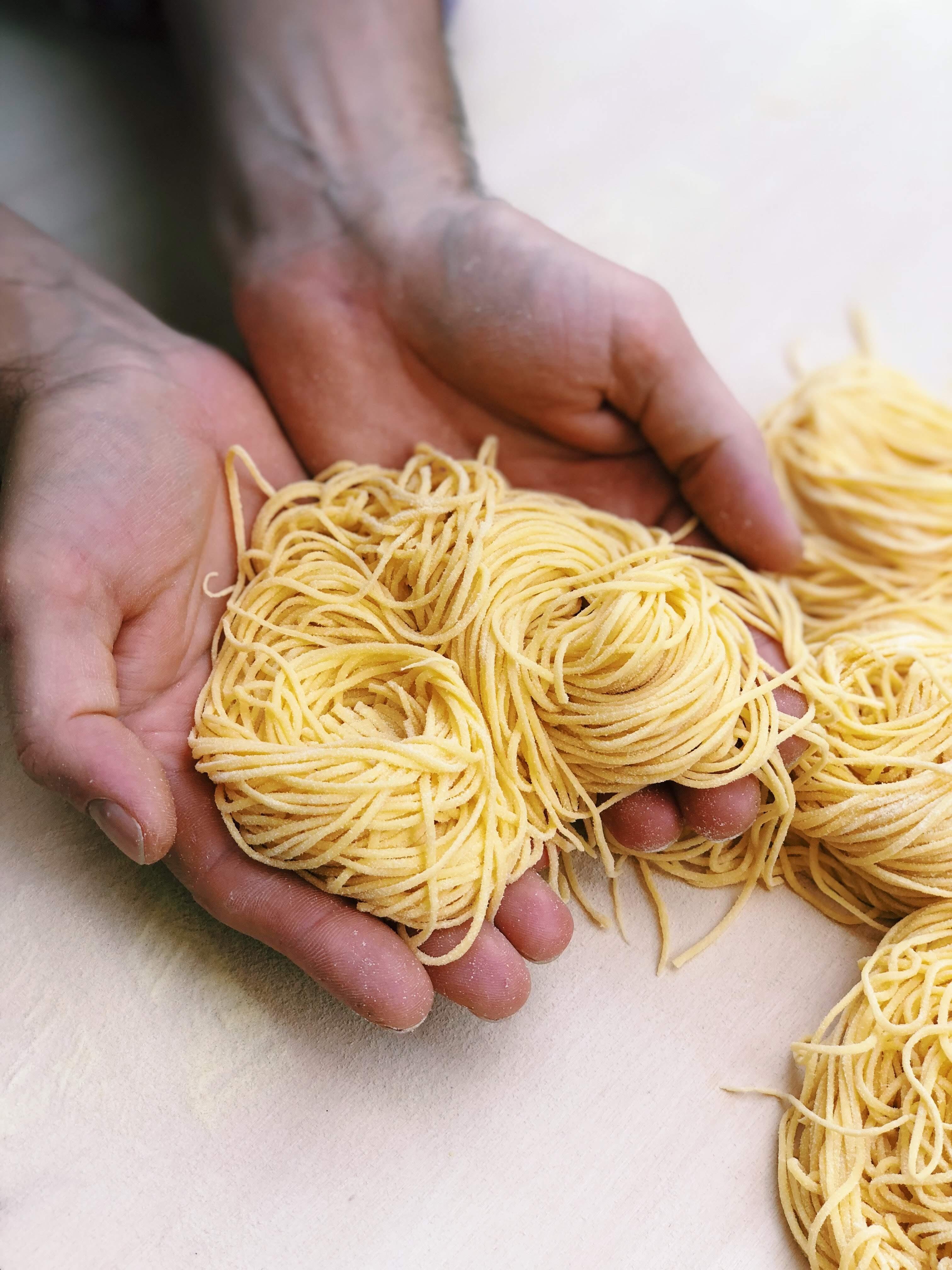
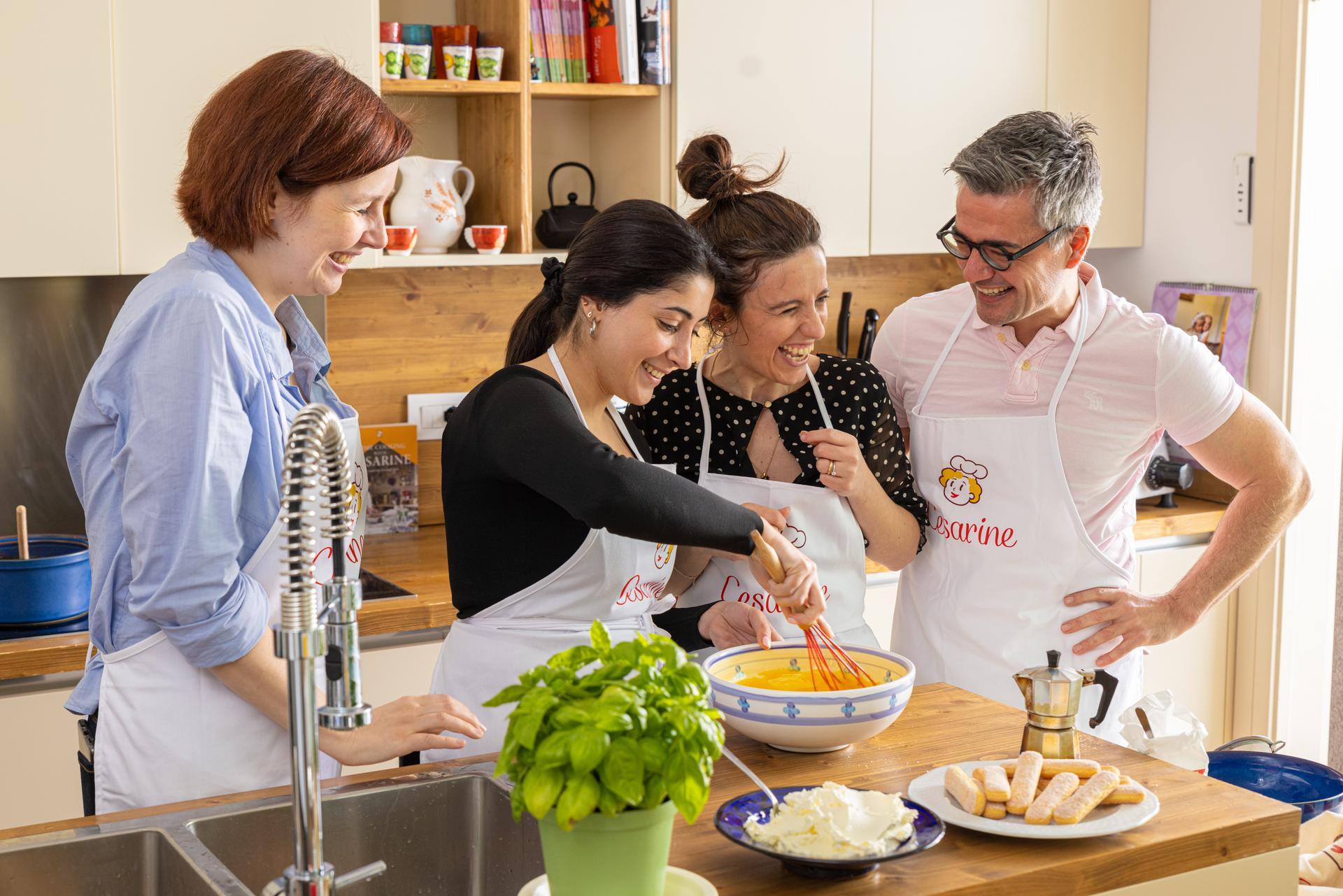
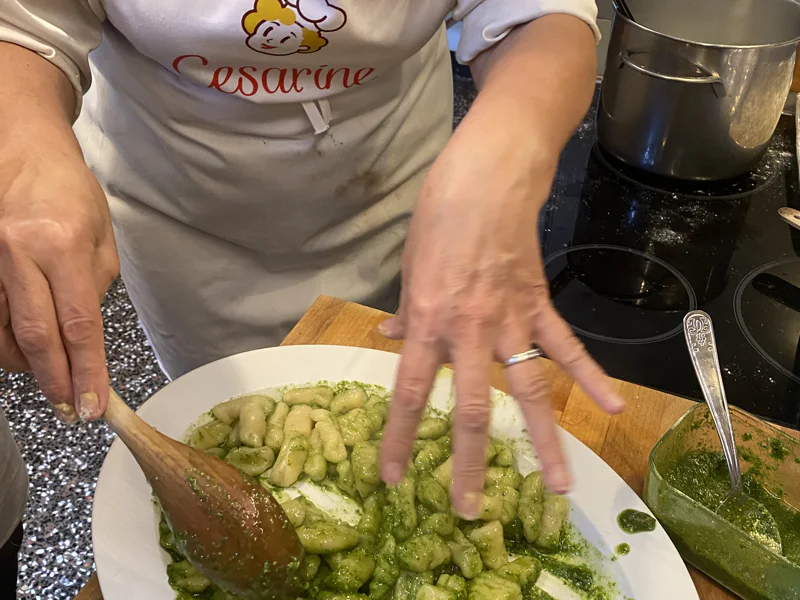
While that rests, you make what carries it. Your palm rolls a pea of dough into a trofia, twenty times over, until the twist comes without thinking. Water boils. Potato and green bean go in with the pasta, the Ligurian way. On the tiramisù workshops you whip mascarpone in the same interval.
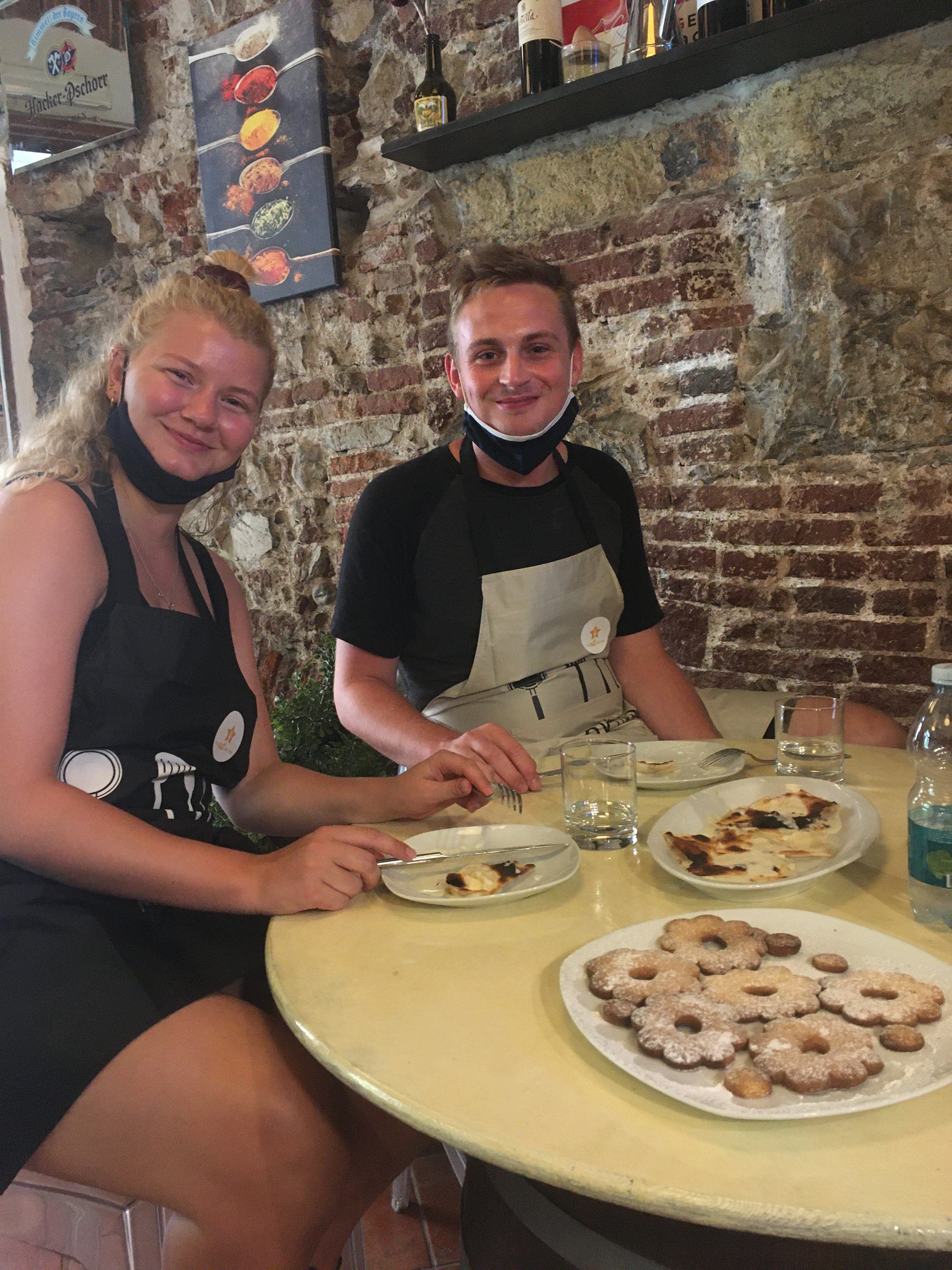
Then you sit. You eat what your own hands ground, with wine, and the genoa pesto cooking class ends where every Genoese meal does — at the table, in no hurry.
All the details about your upcoming adventure in one place
The official recipe for pesto genovese, deposited by the Consorzio del Pesto Genovese, lists seven ingredients and no blender. That absence is the point.
Basilico Genovese DOP, grown in the greenhouses of Pra' on the western edge of the city, carries no mint note — a quirk of sea air and Ligurian soil that the leaf loses when grown elsewhere. A genoa pesto cooking class exists because that difference cannot be exported in a jar.
The sauce is younger than most assume. Written pesto appears first in Giovanni Battista Ratto's 1863 La Cuciniera Genovese, though the technique it describes — garlic and herbs crushed with oil in a mortar — descends from the Roman moretum and from agliata, the garlic paste that Genoese sailors carried on Republic galleys as insurance against a diet of biscuit and salt fish. Marble mortars came from Carrara, ninety kilometres down the coast. Pestles were cut from olive or beech wood, softer than the stone, so the leaf is bruised rather than sliced. Oxidation is the enemy; heat from a steel blade is what turns bright green to bronze.
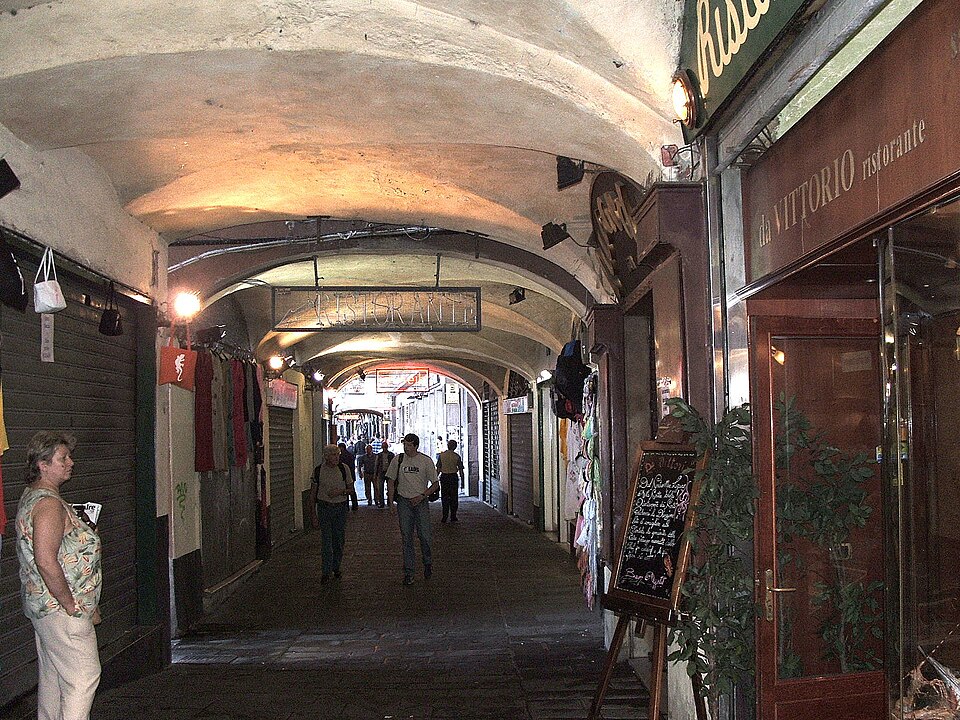
Today the workshops sit inside the caruggi, the narrow medieval alleys of Genoa Historic Center, a UNESCO-listed quarter of palazzi dei Rolli and shuttered courtyards where sunlight reaches the ground for perhaps two hours a day. Some run on rooftops above those same lanes. The World Pesto Championship, held in Palazzo Ducale every other year, has turned the mortar into a competitive instrument, and one of the workshops here is led by a former champion.
What the classes teach is sequence: coarse salt first, then garlic, then pine nuts, then basil added in small handfuls, then Parmigiano and Fiore Sardo, then oil in a thread. The wrist rotates, never pounds. Alongside the sauce come the vessels for it — trofie twisted by thumb, trenette rolled thin, gnocchi ridged on a fork's tines, and in several sessions a tiramisù assembled while the pasta water comes up. Genoa pesto cooking class tours in the old city are less a lesson in cooking than a lesson in restraint, in doing one thing slowly with a stone bowl older than the recipe itself.

Oxidation is the enemy; the wrist rotates, never pounds.
Casual and comfortable attire is recommended for a genoa pesto cooking class. Wear closed-toe shoes suitable for kitchen environments and navigating the narrow alleys of the historic district.
Storage space in historic buildings is limited. Please bring only essential items to your genoa pesto cooking class to ensure comfort in smaller kitchen settings.
Photography is generally permitted during the preparation of traditional basil sauces. Check with your local chef before capturing proprietary techniques during your genoa pesto cooking class.
Children are welcome when accompanied by an adult. Ensure the activity level matches the child's ability to participate in a hands-on culinary workshop.
Many historic buildings in the city center lack elevators. Please notify the provider of mobility needs before booking your genoa pesto cooking class.
Participants consume what they prepare during the workshop. Inform the operator of allergies prior to your genoa pesto cooking class.
Opening Hours
09:00–18:00
Address
Genoa Historic Center, Genoa, Italy
Accessibility
Varies by historic venue location
Best Window
09:30–14:00
Region
Liguria, Italy
Public transport · Variable · 1.50–2.00 EUR
AMT bus lines serve the center. Disembark at De Ferrari or Caricamento stops.
Walk · Variable · 0 EUR
The historic center is pedestrian-only. Navigating the caruggi is the best way to reach your cooking workshop.
Full refunds are typically provided for cancellations made at least 24 hours in advance. Experiences are private and carry a 0 EUR entrance fee, as these are tailored culinary sessions.
Recommended time
3-4 hours
A typical genoa pesto cooking class provides a hands-on experience involving fresh basil and mortar preparation within the Genoa Historic Center. We suggest following the best arrival window of 09:30–14:00 to align with local market-to-table culinary traditions. Securing genoa pesto cooking class tickets early ensures availability for these private sessions, while those interested in genoa pesto cooking class tours should allow extra time for exploring local Ligurian ingredients. Booking a genoa pesto cooking class tour allows for an immersive deep dive into this regional heritage.
Crowd levels through the day
Weather · crowds · average price — dots go green to amber to red as each metric rises.
Mild temperatures make walking to your genoa pesto cooking class pleasant. Local basil is early in its season.
Expect high temperatures and peak crowds. Booking a genoa pesto cooking class in the morning is recommended.
Harvest season brings fresh olive oil. This is a popular time for a genoa pesto cooking class.
Quieter streets offer a relaxed pace. Many providers maintain indoor settings for a cozy genoa pesto cooking class.
The historic center features uneven cobblestones. Footwear should prioritize stability for walking to your genoa pesto cooking class.
Private sessions fill up quickly. Secure your genoa pesto cooking class tickets early to confirm your preferred date.
Authentic preparation uses a marble mortar and wooden pestle. This tool is essential for the best genoa pesto cooking class results.
Ask your chef about the DOP certification of ingredients. This ensures the highest quality in your genoa pesto cooking class.
Classes conclude with a meal. Arrive hungry for your genoa pesto cooking class experience.
Pesto is younger than Genoa's fame suggests. The Ligurian coast had long crushed herbs with garlic in a mortar; medieval agliata, a garlic-and-walnut paste, served sailors as ballast against monotony. Basil arrived from Asia by way of the Mediterranean trade routes the Republic of Genoa controlled. The first printed recipe under the name pesto appeared in Giovanni Battista Ratto's La Cuciniera Genovese, published in Genoa in 1863. Ratto specified basil, Dutch or parmesan cheese, garlic, oil, and a marble mortar. Butter, oddly, was included. The version taught in a genoa pesto cooking class today descends directly from that page. The near-disaster came with industry. Postwar expansion consumed the terraced gardens of Pra', the hillside district whose small-leaved basil carries no mint note. Emigration thinned the trade. By the 1970s the blender had replaced the pestle in most kitchens, bruising the leaves and darkening the sauce. Recovery was deliberate. Basilico Genovese won DOP protection in 2005, fixing cultivation to Liguria. The Genoa Pesto World Championship, first held in the Palazzo Ducale in 2007, restored the mortar as the measure of correctness. Local pesto making workshops multiplied in its wake. What survives is method rather than monument. Instructors still name the seven components: Genovese basil, Ligurian extra virgin olive oil, Parmigiano Reggiano, Fiore Sardo pecorino, pine nuts, garlic from Vessalico, coarse salt. The pestle turns; it does not pound. Trofie and trenette, the twisted and flat pastas of the region, remain the intended vehicles, dressed with potato and green beans. Most genoa pesto cooking class tours begin in the Mercato Orientale, opened in 1899 inside a former Augustinian cloister, where producers still sell by the bunch. A morning genoa pesto cooking class tour follows the market route; check the live grid above for genoa pesto cooking class tickets and current session options.
Ligurian cooks prepare agliata, a garlic and walnut paste, as a shipboard condiment along the Genoese trade routes.
Giovanni Battista Ratto prints the first named pesto recipe in La Cuciniera Genovese, published in Genoa.
The Mercato Orientale opens inside a former Augustinian convent, becoming the city's central source of basil and produce.
Postwar building consumes much of the terraced basil ground at Pra', reducing the historic growing district.
Electric blenders displace the marble mortar in domestic kitchens, altering the sauce's colour and texture.
Basilico Genovese receives DOP status, restricting protected cultivation to defined Ligurian zones.
The first Pesto World Championship is held at the Palazzo Ducale, reinstating mortar-and-pestle technique as the judged standard.
Market-to-table classes in the historic centre remain private bookings, running within the site's 09:00-18:00 daily window.
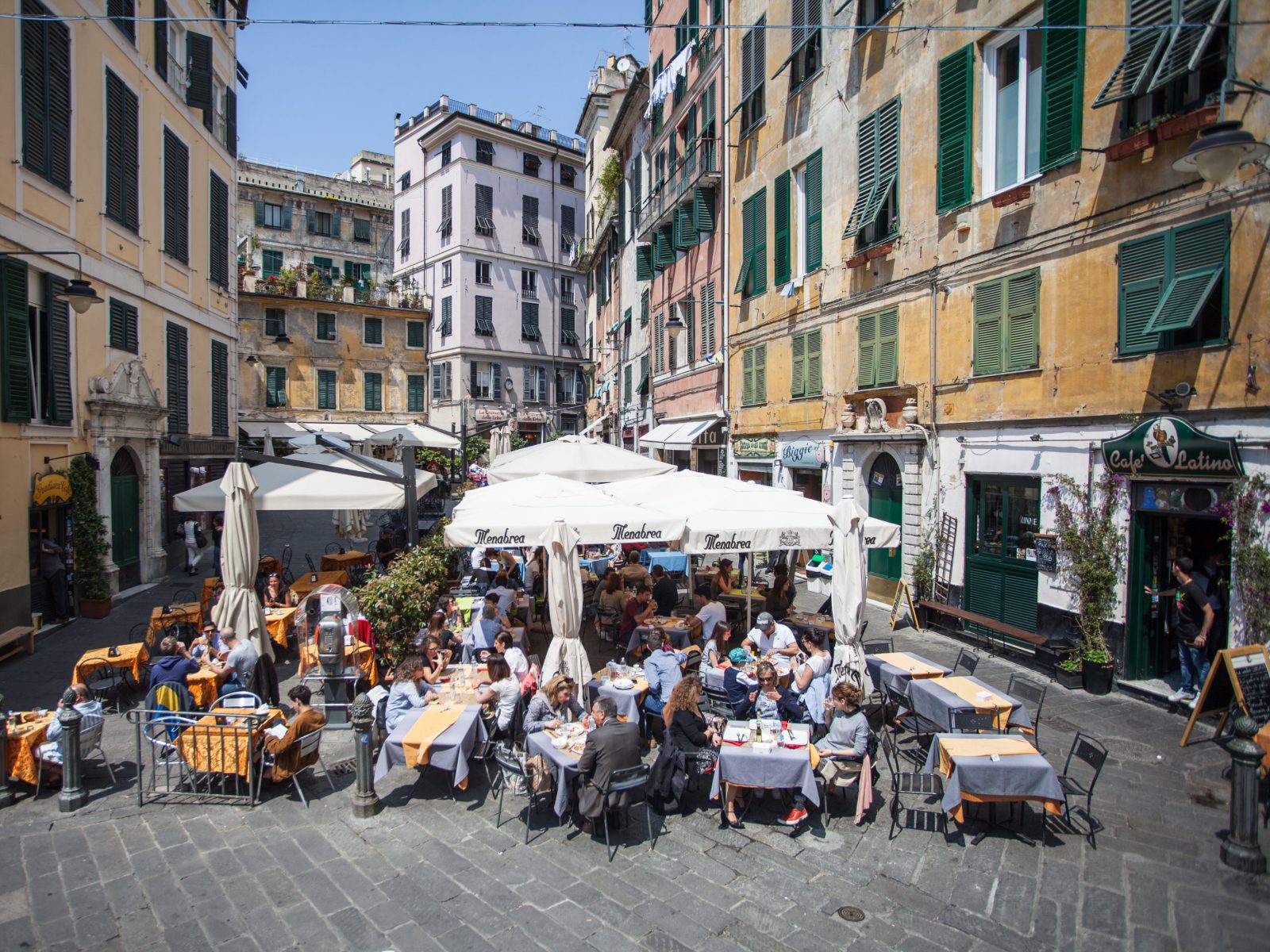
Stand in the center of this lively square to capture the historic atmosphere and colorful building facades. This spot is perfect for documenting the start of your genoa pesto cooking class as you meet local guides.
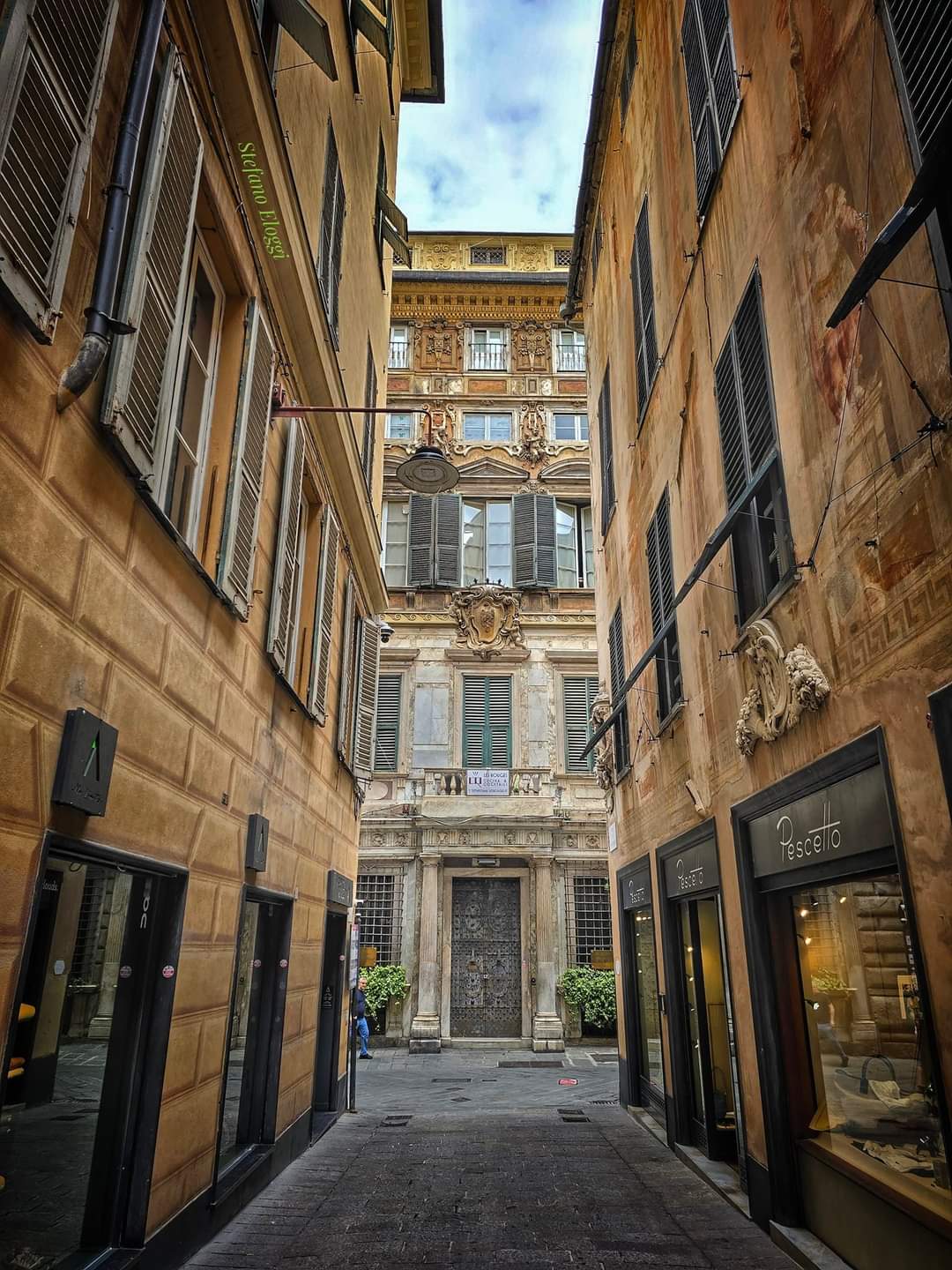
Frame your shot looking down this narrow, shadowed alleyway typical of the medieval caruggi. It provides an authentic backdrop for genoa pesto cooking class tours that explore the heart of the city.
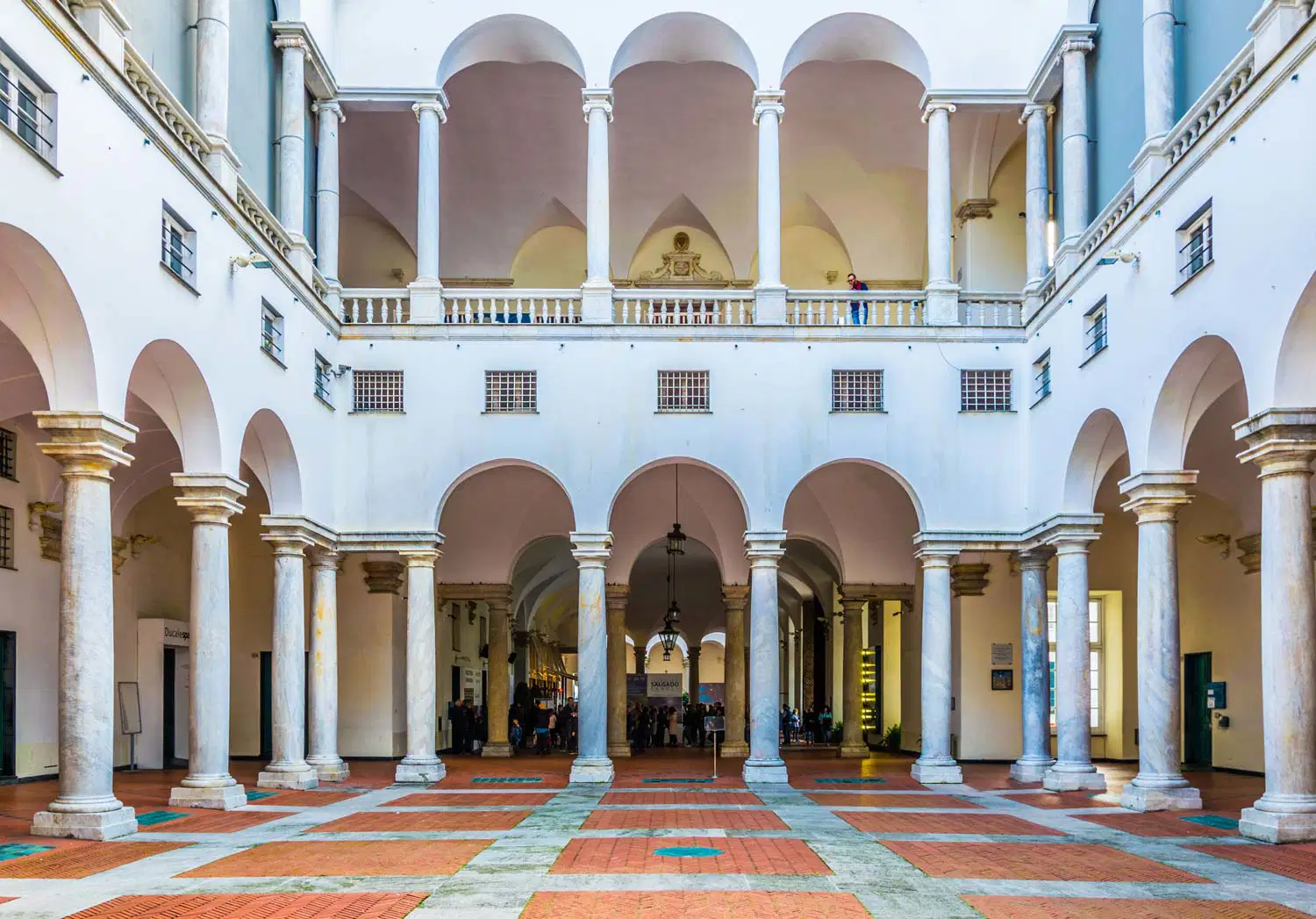
Position your camera to capture the grand architecture and stone arches of this prominent landmark. It serves as a classic reference point for those seeking genoa pesto cooking class tickets in the historic center.
Capture the contrast between the arched colonnades and the busy market stalls nearby. This area is a staple of any genoa pesto cooking class tour focused on sourcing fresh basil and local ingredients.
Participating in a genoa pesto cooking class provides a hands-on way for children to engage with local culinary traditions. These private sessions allow families to learn the craft of crushing basil and pine nuts in a traditional marble mortar at their own pace.
Using a marble mortar and pestle requires adult supervision, as the heavy equipment can be challenging for young children to manage safely. Parents may consider genoa pesto cooking class tours that emphasize shared preparation to keep tasks manageable for smaller hands.
While there is no strict age limit for these private experiences, children aged six and older often enjoy the tactile process most. Booking a genoa pesto cooking class tickets option ensures you have a private kitchen space, which helps maintain a comfortable rhythm for families with younger kids.
Since classes are private, you can request frequent breaks or a slower instructional speed to accommodate short attention spans. The best arrival window of 09:30–14:00 allows you to complete the session before standard afternoon energy slumps occur in the Genoa Historic Center.
Kitchen spaces in the historic center are often located in older buildings, meaning stroller access may be limited by stairs. It is recommended to contact your host in advance to confirm if there is storage space for strollers near the entrance of your chosen genoa pesto cooking class tour.
After completing a genoa pesto cooking class, the surrounding historic center offers abundant opportunities to savor local ligurian flavors. Many participants enhance their experience by exploring nearby artisanal shops or enjoying a authentic meal within a short walk of their genoa pesto cooking class tours.
A vibrant hub perfect for sourcing fresh basil, pine nuts, and local cheeses to replicate your skills at home. This landmark is ideal for those seeking a quick, authentic bite after securing genoa pesto cooking class tickets.
Everything you need to know for your journey
You can book sessions daily between 09:00–18:00. These private experiences are scheduled within these operating hours.
Yes, since these are private experiences, booking genoa pesto cooking class tickets in advance is necessary to secure a spot.
Accessibility varies by historic venue, as many buildings in the Genoa Historic Center are older. Please verify specific venue needs when you book your genoa pesto cooking class.
The best arrival window is 09:30–14:00. This is the optimal time for market-to-table classes and lunch-based culinary experiences.
No, the provider supplies all necessary tools for your genoa pesto cooking class. You should focus on learning the traditional techniques.
Children are welcome to join a genoa pesto cooking class with an accompanying adult. It is a family-friendly way to learn about Genoese culture.
The location is within the Genoa Historic Center, easily accessible by walking or local bus. Plan to arrive between 09:30–14:00 for your genoa pesto cooking class.
Full refunds are generally available if you cancel your genoa pesto cooking class tours at least 24 hours before the start time.
Yes, the center is near landmarks like the Cattedrale di San Lorenzo. Many guests enjoy exploring these sites after their genoa pesto cooking class.
A historic palace serving as a cultural hub for the city. It features grand architecture and rotating exhibitions.
A striking gothic cathedral with black and white striped marble facade. It stands as a significant religious landmark.
A famous street lined with Renaissance palaces and museums. It is part of a UNESCO World Heritage site.
One of Europe's largest marine facilities located in the old port area. It highlights Mediterranean sea life.
Historic property near the train station with elegant rooms.
Classic hotel near the main square with distinctive staircase.
Local rentals situated within the ancient city walls.
Join thousands of happy travelers who have discovered this incredible experience
Book Your Experience Now