3 hr
Genoa Rooftop Pasta & Pesto Workshop with Wine
- Entry ticket
- Mobile voucher
- Valid same day
- Free cancellation
Genoa Cooking Class — Mortar, Marble and Ligurian Basil
Basil crushed by hand, a city learned by taste.
Compare fares, pick the fit — all bookings are mobile-voucher and eligible for free cancellation where shown.
3 hr
2 hr 30 min
2 hr
| Experience | Duration | Rating | Small group | Free cancel. | Price | |
|---|---|---|---|---|---|---|
|
Standard Entry
Most popular
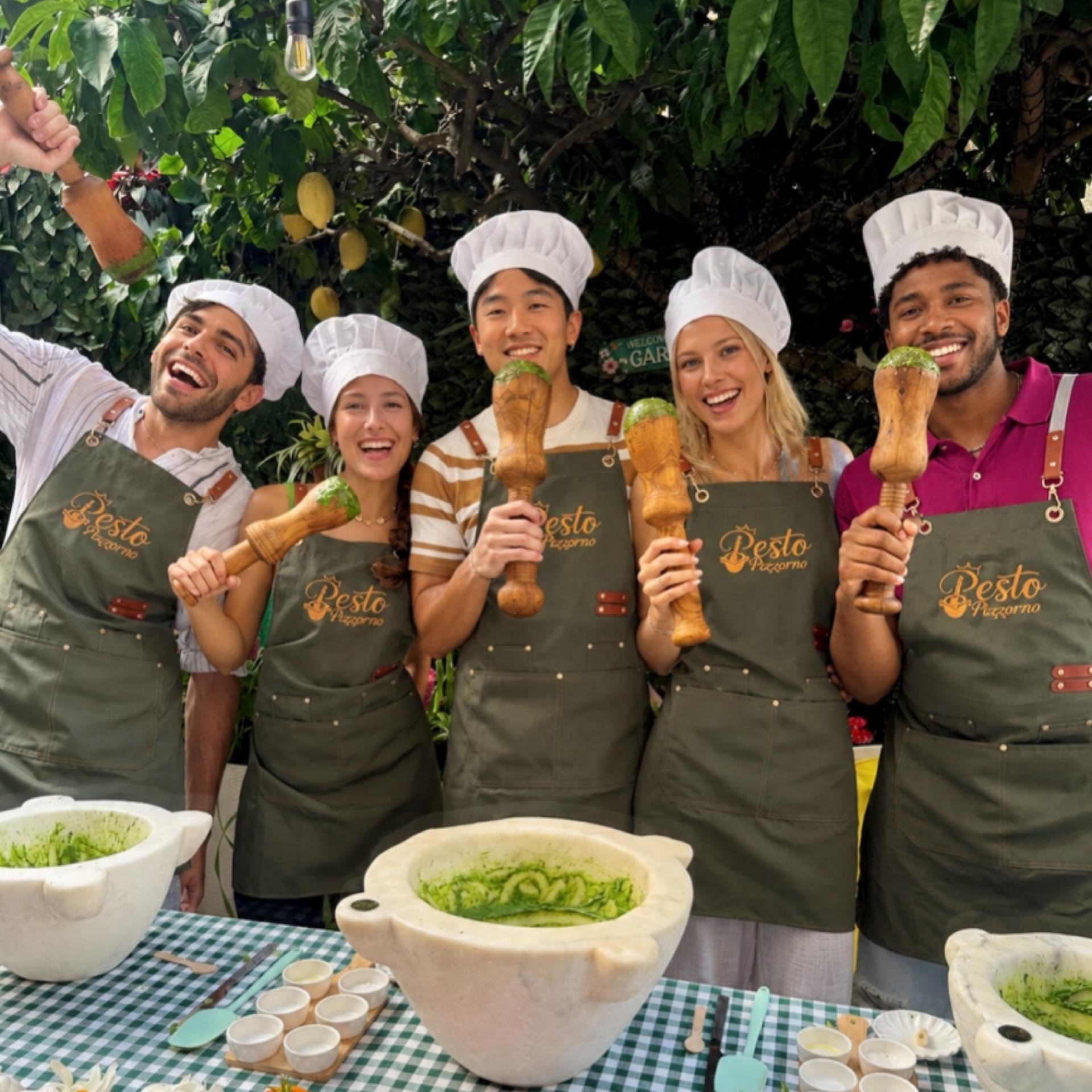
Genoa Rooftop Pasta & Pesto Workshop with Wine
|
3 hr | ★ 5.0 | ✓ | ✓ | €89 | Book → |
|
Standard Entry
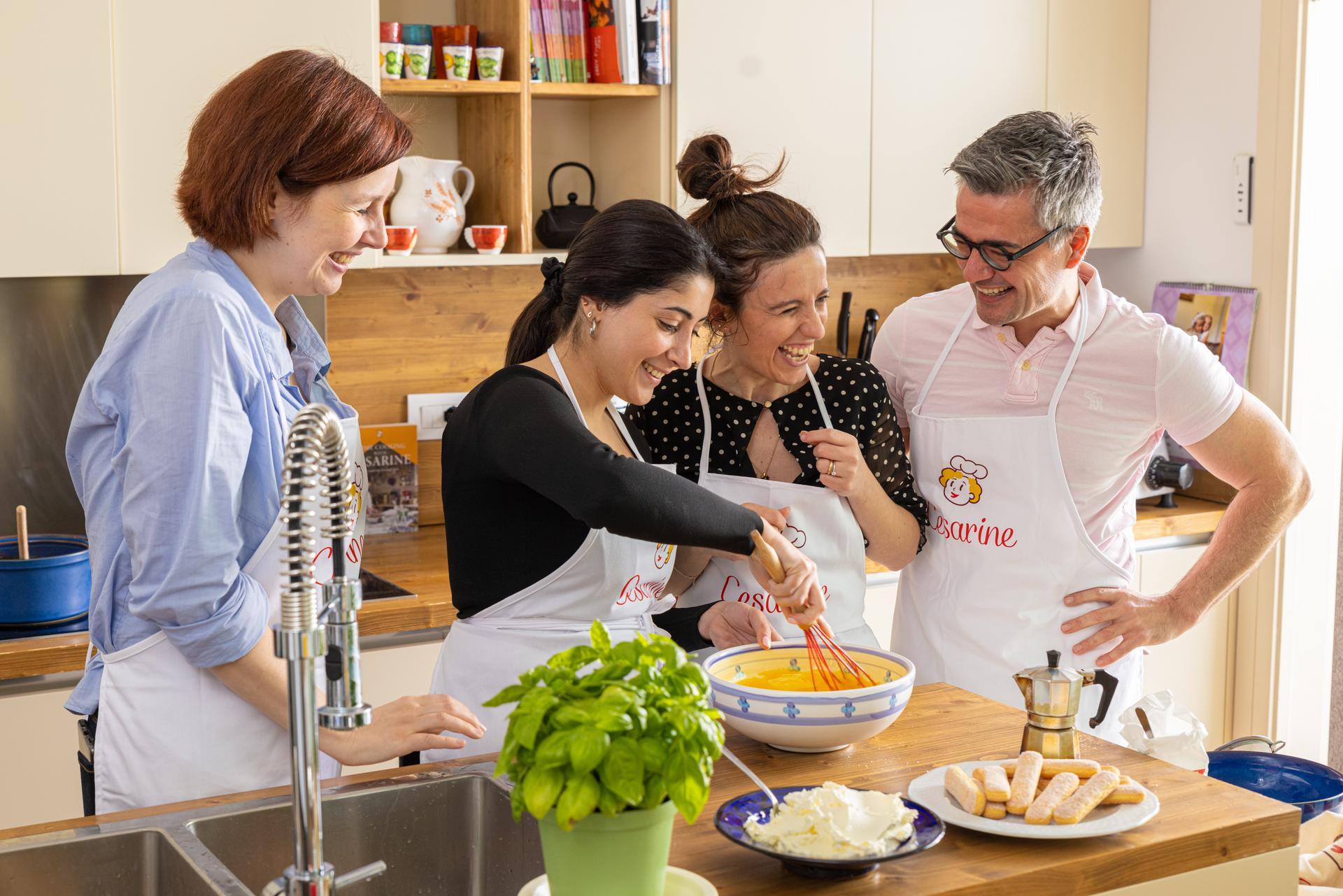
Traditional Ligurian Pasta & Tiramisu Workshop in Genoa
|
2 hr 30 min | ★ 4.9 | ✓ | ✓ | €60 | Book → |
|
Standard Entry
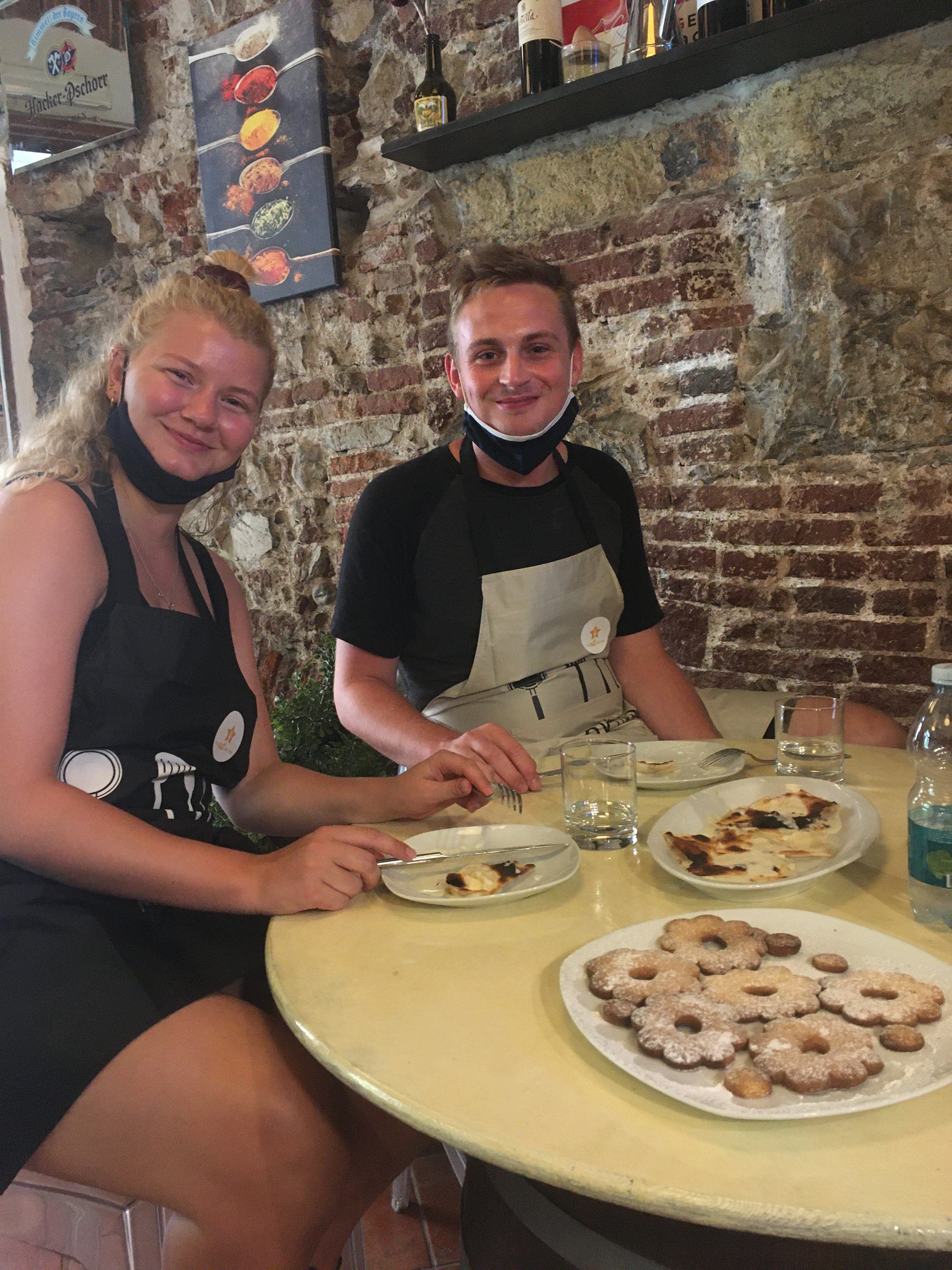
Genoa Fresh Pasta Workshop with Michelin-Trained Chefs
|
2 hr | ★ 5.0 | ✓ | ✓ | €70 | Book → |
Worth it for hands-on cooks, not passive diners
A genoa cooking class sits in an odd pricing bracket: entry to the city centre venues costs 0 EUR, but the sessions themselves are private services with varying fees, so what you pay depends entirely on the operator you book. The real question is private versus group instruction. Group sessions spread the cost and give you a table of strangers to trade wine with, though you may share one mortar between four people. Private booking buys you the pestle in your own hand, corrections on your basil-bruising technique, and a host who will actually answer why Ligurian pine nuts matter. What you take home from a good corso di cucina genovese is method — trofie rolled by thumb, focaccia dimpled properly, pesto ground rather than blitzed. That outlasts any single meal. It pays off for travellers who cook at home; it disappoints anyone hoping to sit and be served.
Bottom line: Book a private genoa cooking class tour if you want to learn Ligurian technique; skip the genoa cooking class tickets entirely if you just want dinner.
They complement each other; most visitors who do both call the genoa cooking class the more technical experience, while the walking tour is superior for discovering hidden regional specialties. Choosing between these genoa cooking class tours depends on whether you prefer active ingredient preparation or a guided exploration of city landmarks.
|
Top pick Genoa Cooking Class |
Genoa Food Walking Tour | |
|---|---|---|
| Skill level | High technical focus | Beginner friendly |
| Time investment | 3–5 hours | 2–4 hours |
| Active vs Passive | Hands-on preparation | Guided observation |
| Focus: Pesto/Pasta | Deep craft immersion | Tasting diverse dishes |
| Social interaction | Intimate group settings | Casual street interaction |
| Group size | Small private cohorts | Larger walking groups |
| See tickets & prices |
Verdict: Select a genoa cooking class tour for masterclass instruction in Ligurian recipes, or opt for a walking tour if you prioritize sampling authentic fare across diverse city settings with genoa cooking class tickets that offer a broader culinary scope.
Hand-picked experiences loved by thousands of travelers
1.5 hours
Free Cancellation
Master authentic mortar-made pesto with 2022 world champion Camilla Pizzorno, then savor a complete Ligurian feast
2 - 3 hours
Free Cancellation
Master fresh pasta and Italy's beloved tiramisu dessert in an authentic home kitchen with expert hosts
2 hours
Free Cancellation
Master traditional Ligurian cuisine in a local home near historic palaces
3.5 hours
Free Cancellation
Master authentic Ligurian dishes in a fun 3.5-hour class led by local chefs in Genoa
1.5 hours
Free Cancellation
Master traditional Ligurian recipes in an authentic 18th-century residence with a certified pesto expert
5 hours
Free Cancellation
Shop at a traditional Italian market, then master three regional recipes in a local cook's home kitchen.
3 hours
Free Cancellation
Craft creamy walnut pesto by hand in a historic bottega, then savor it with pasta and Ligurian wine
3.5 hours
Free Cancellation
Learn to craft potato gnocchi and traditional pesto using mortar and pestle in a historic Ligurian shop
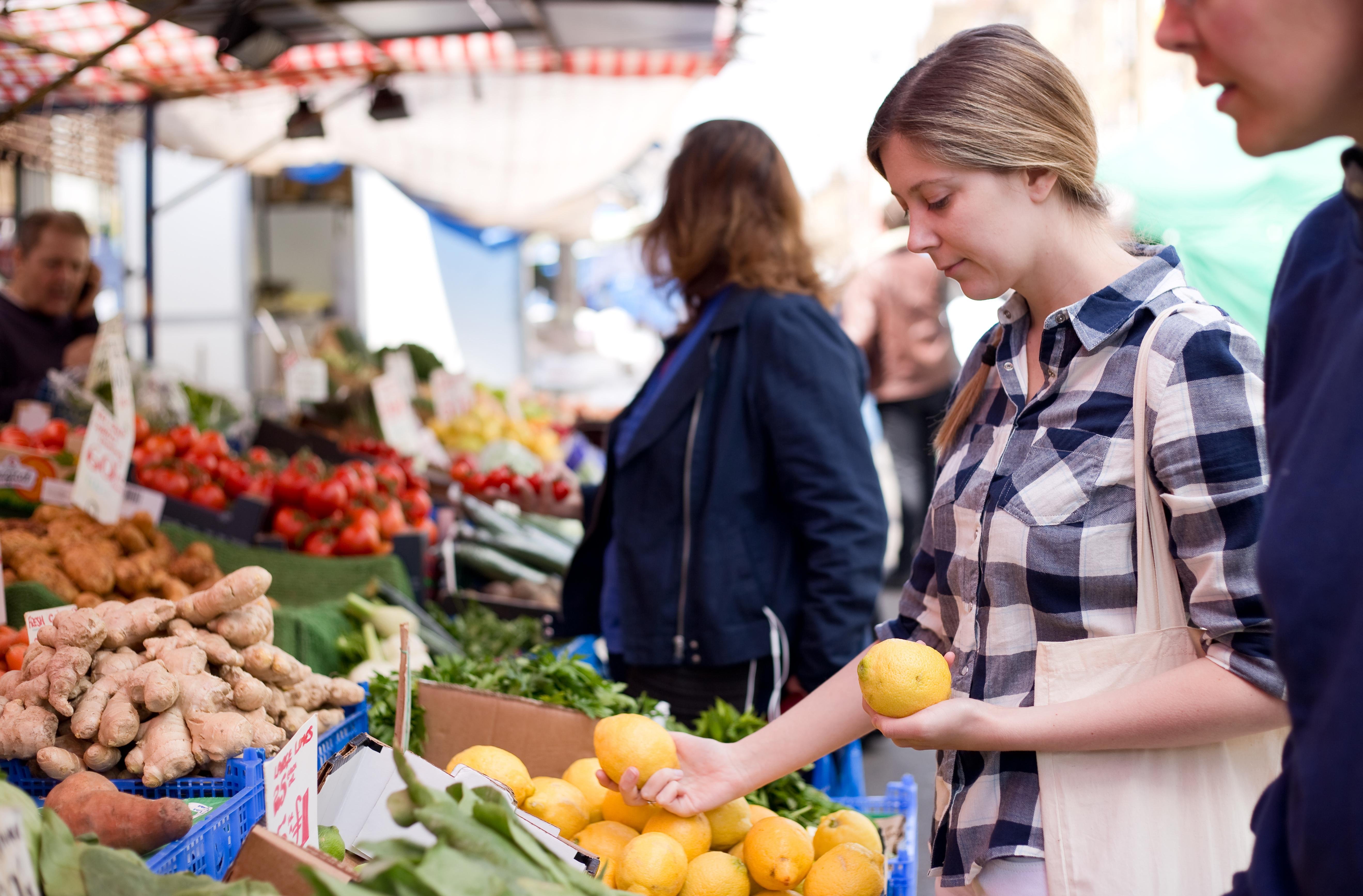
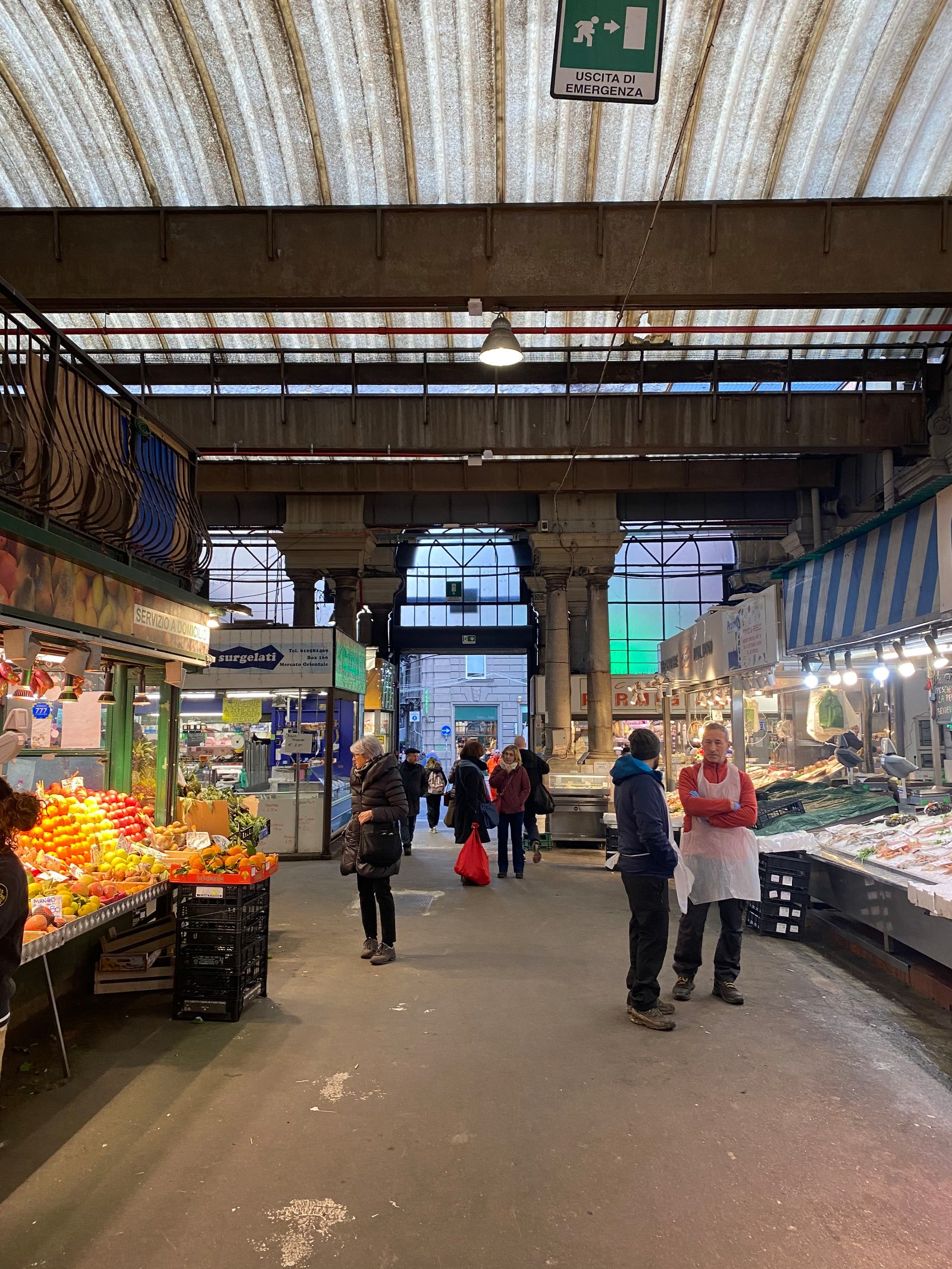
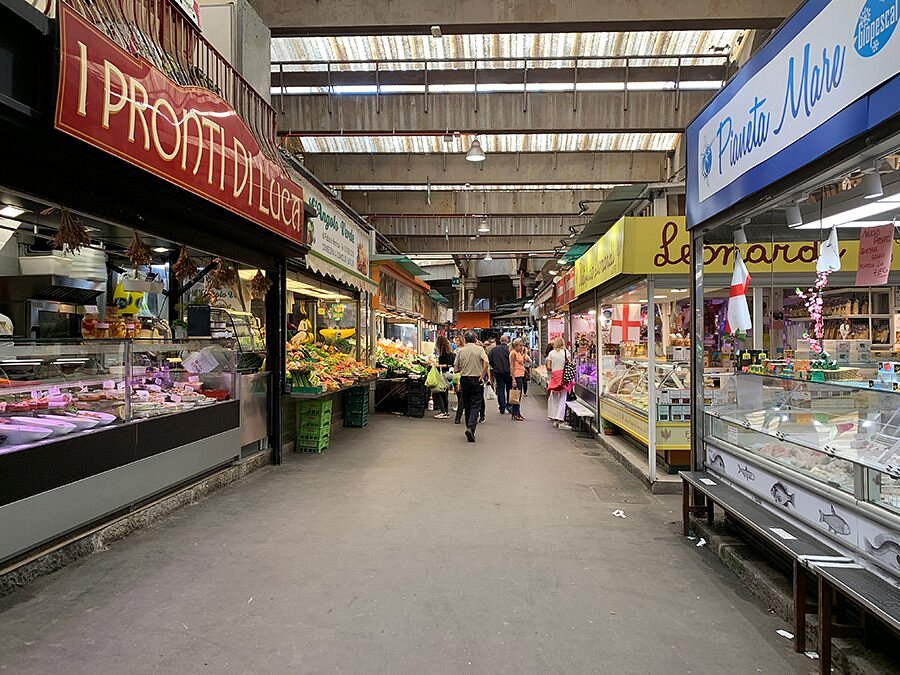
Select fresh ingredients at a local Genoa market
Prepare stations for the Genoa cooking class
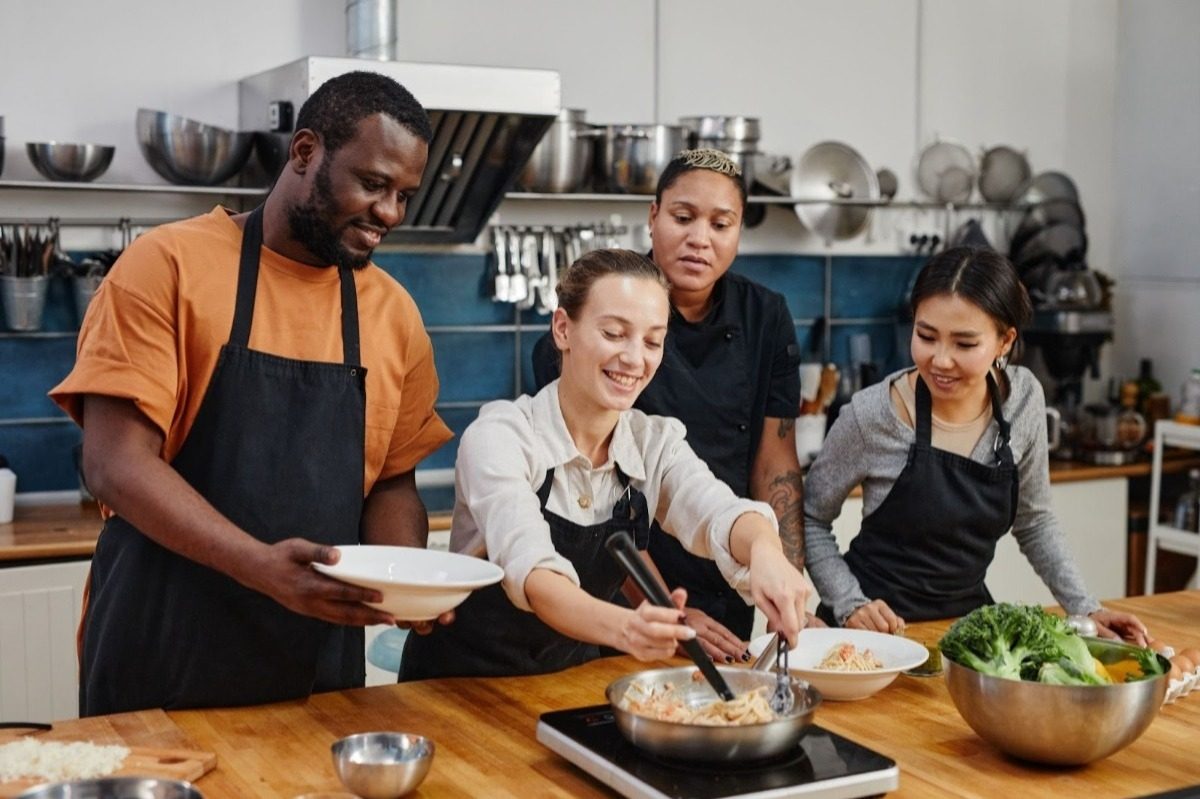
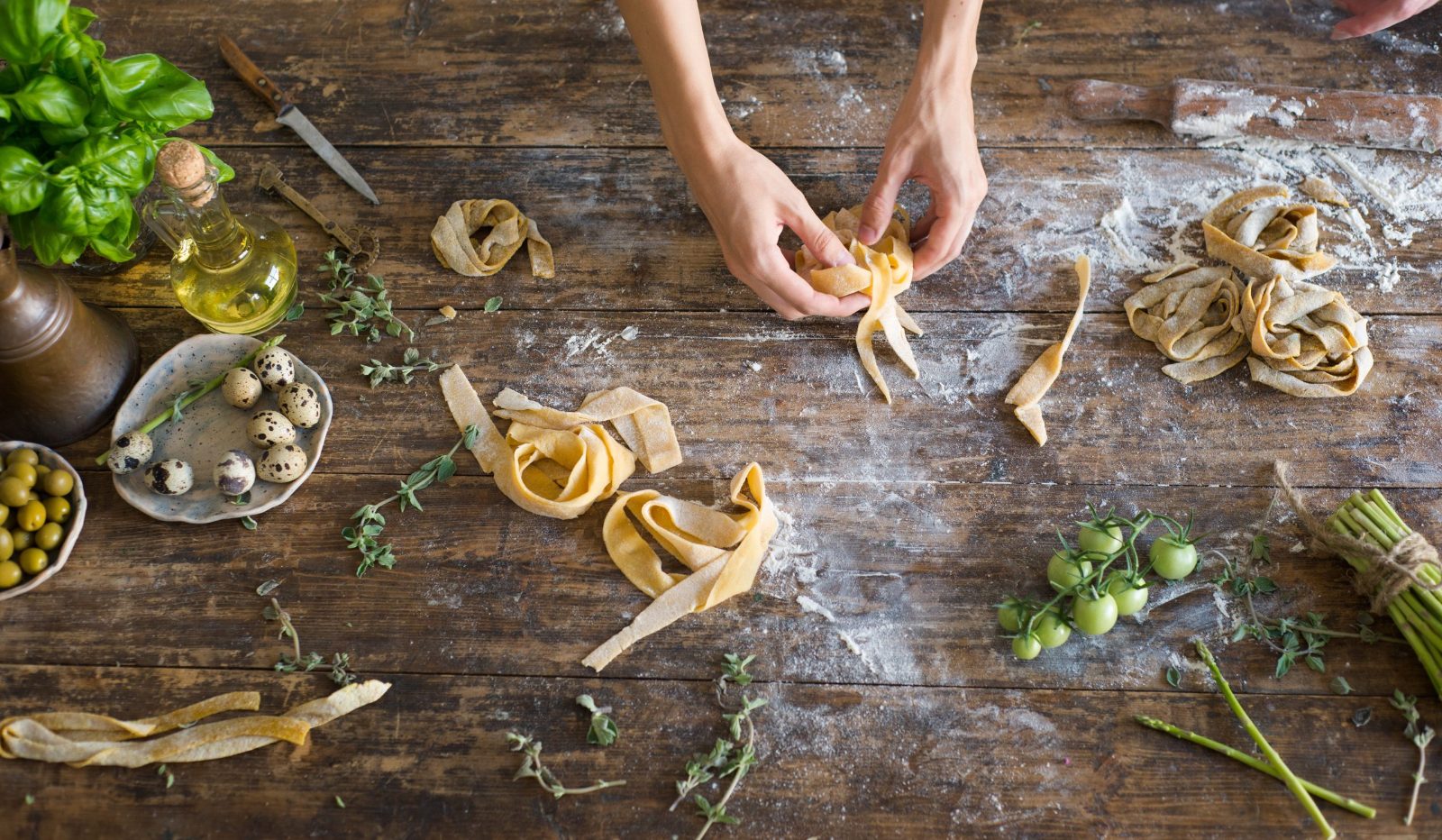
Cook traditional dishes with an expert
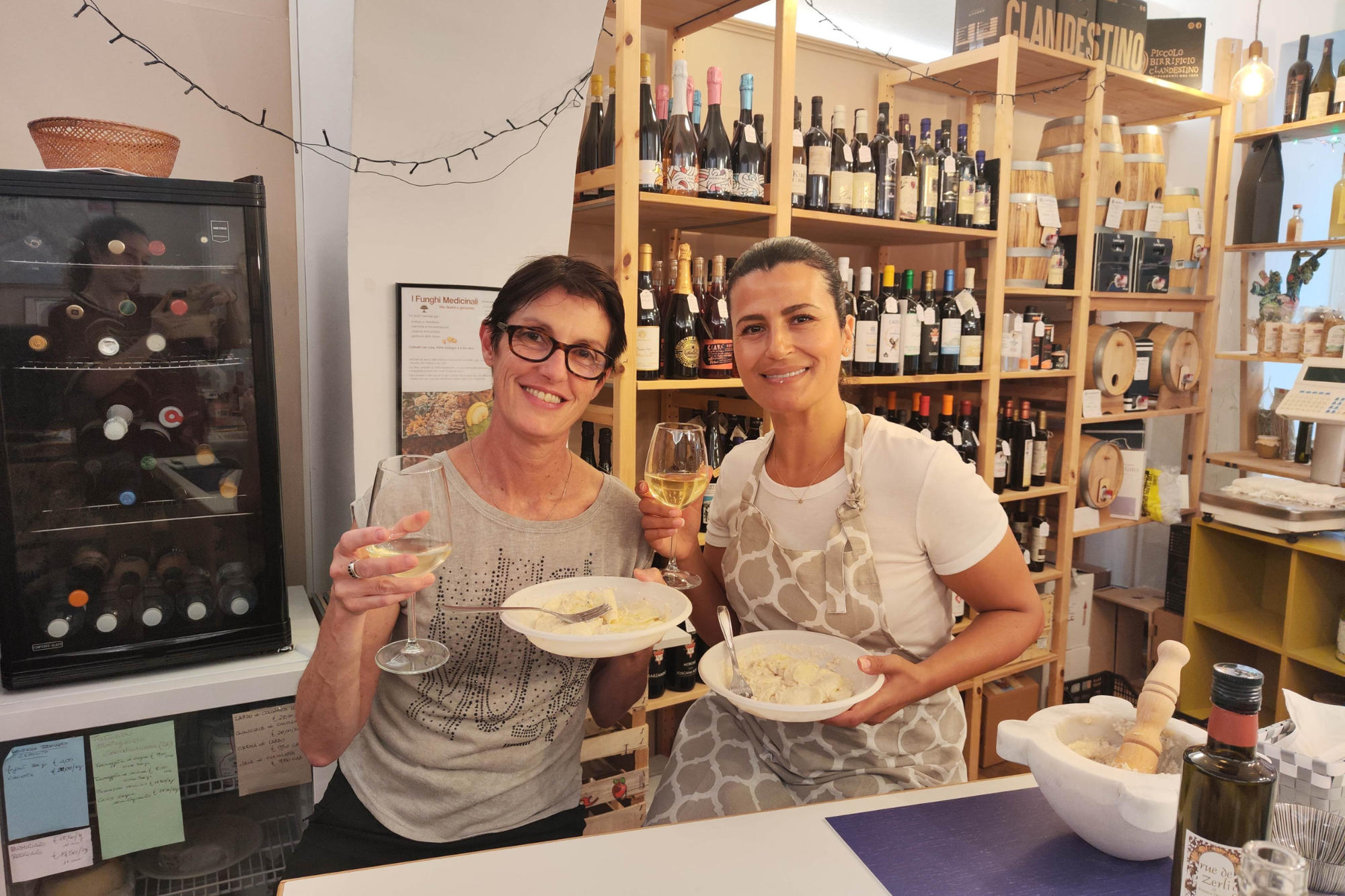
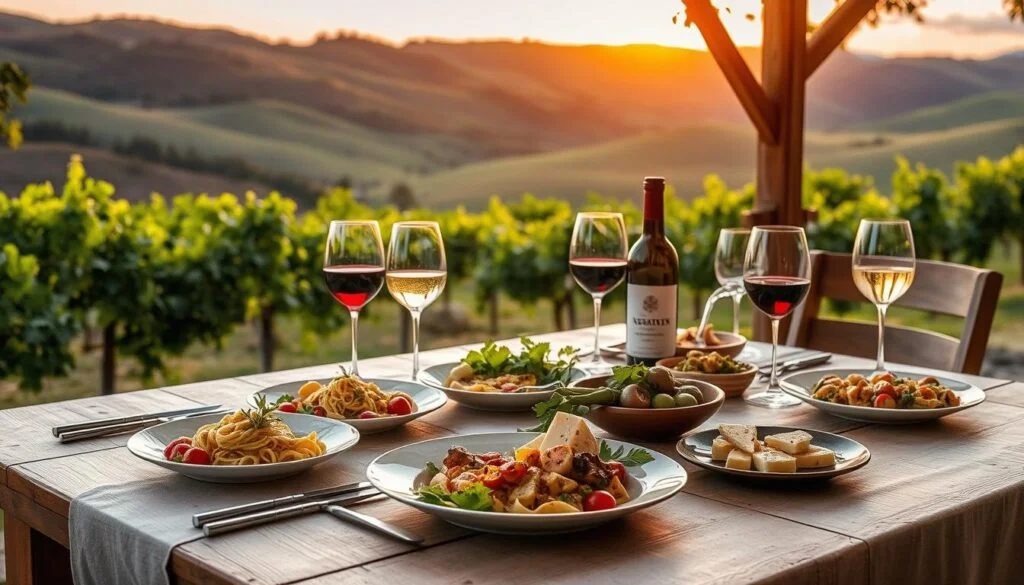
Enjoy the prepared meal with local wine
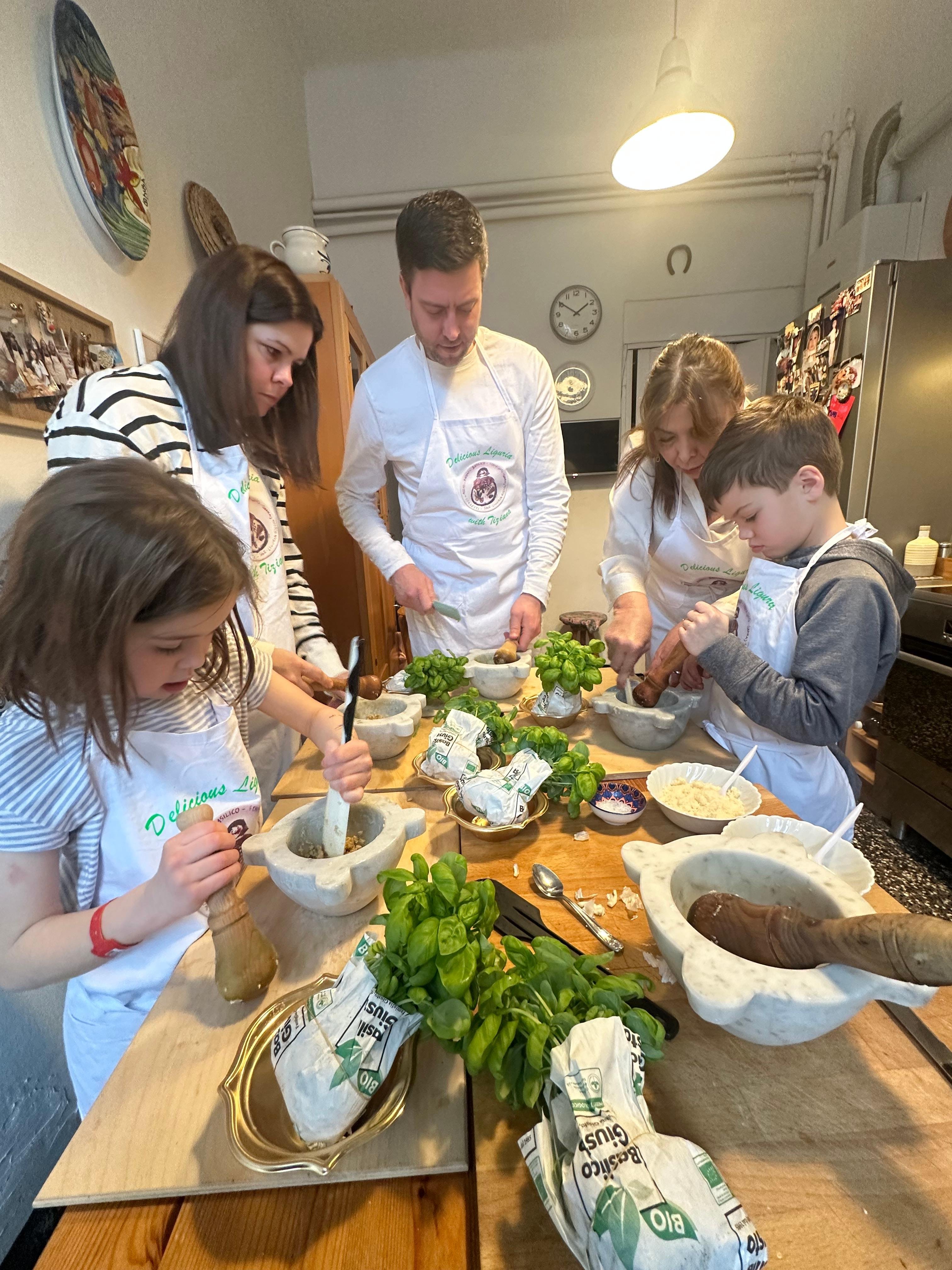
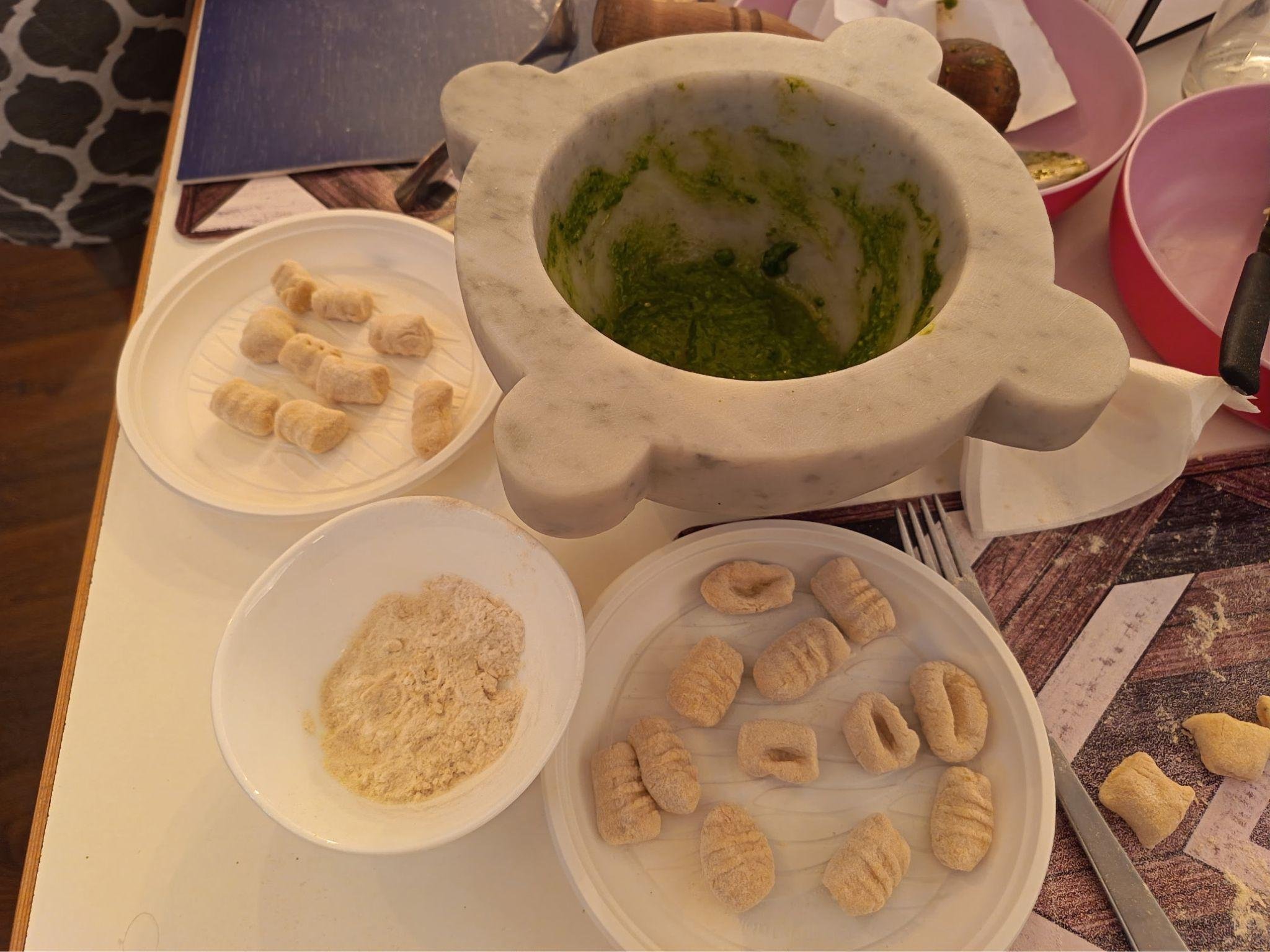
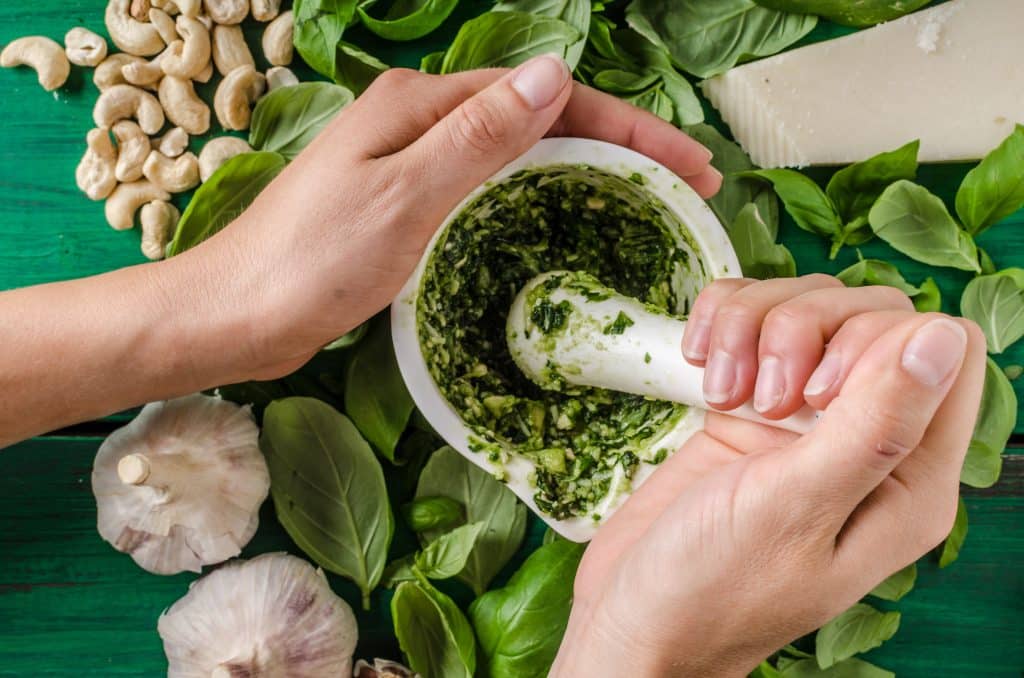
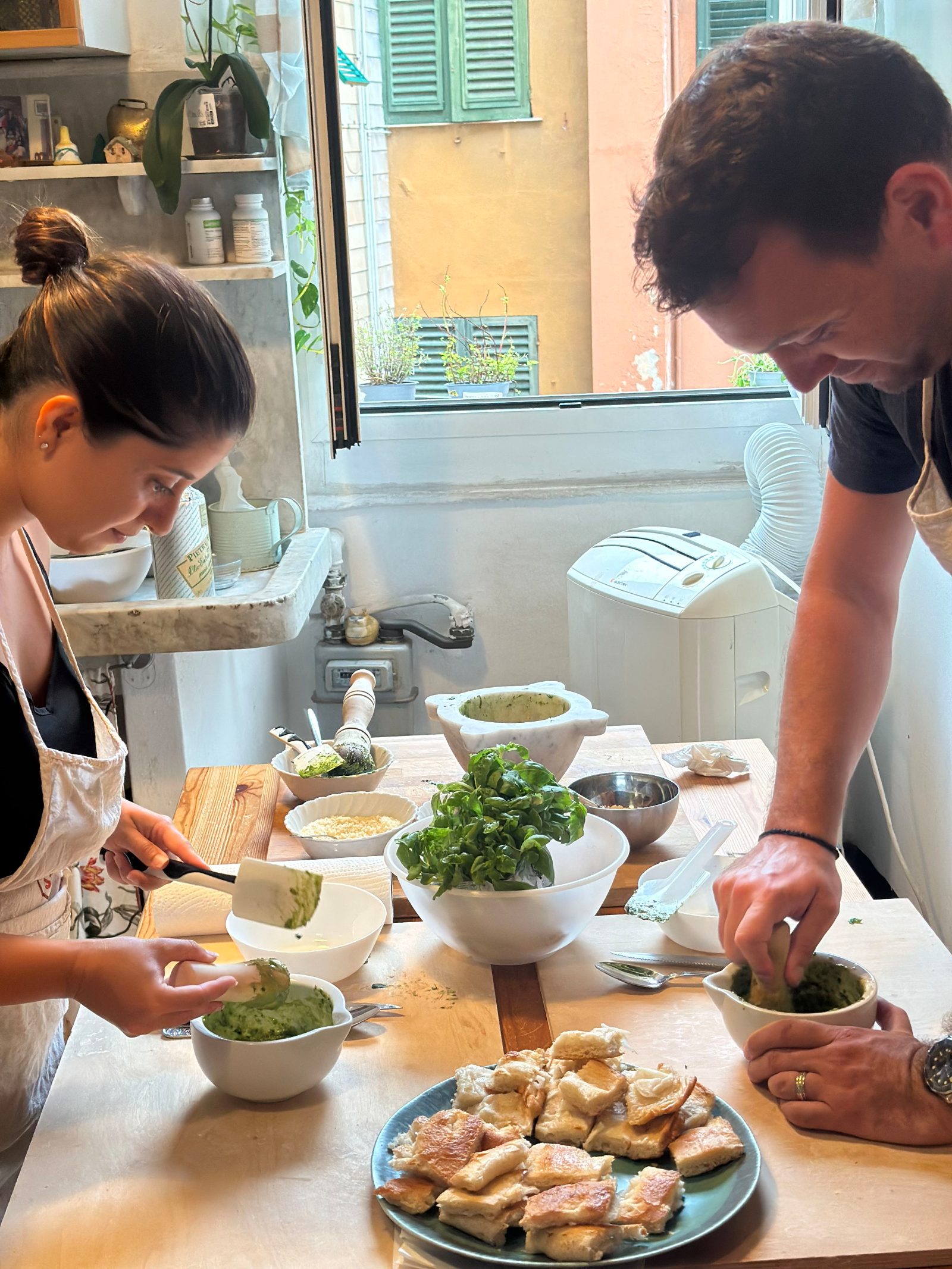
Master the art of crushing fresh basil, pine nuts, and cheese. Learn why this technique is superior to using blenders.
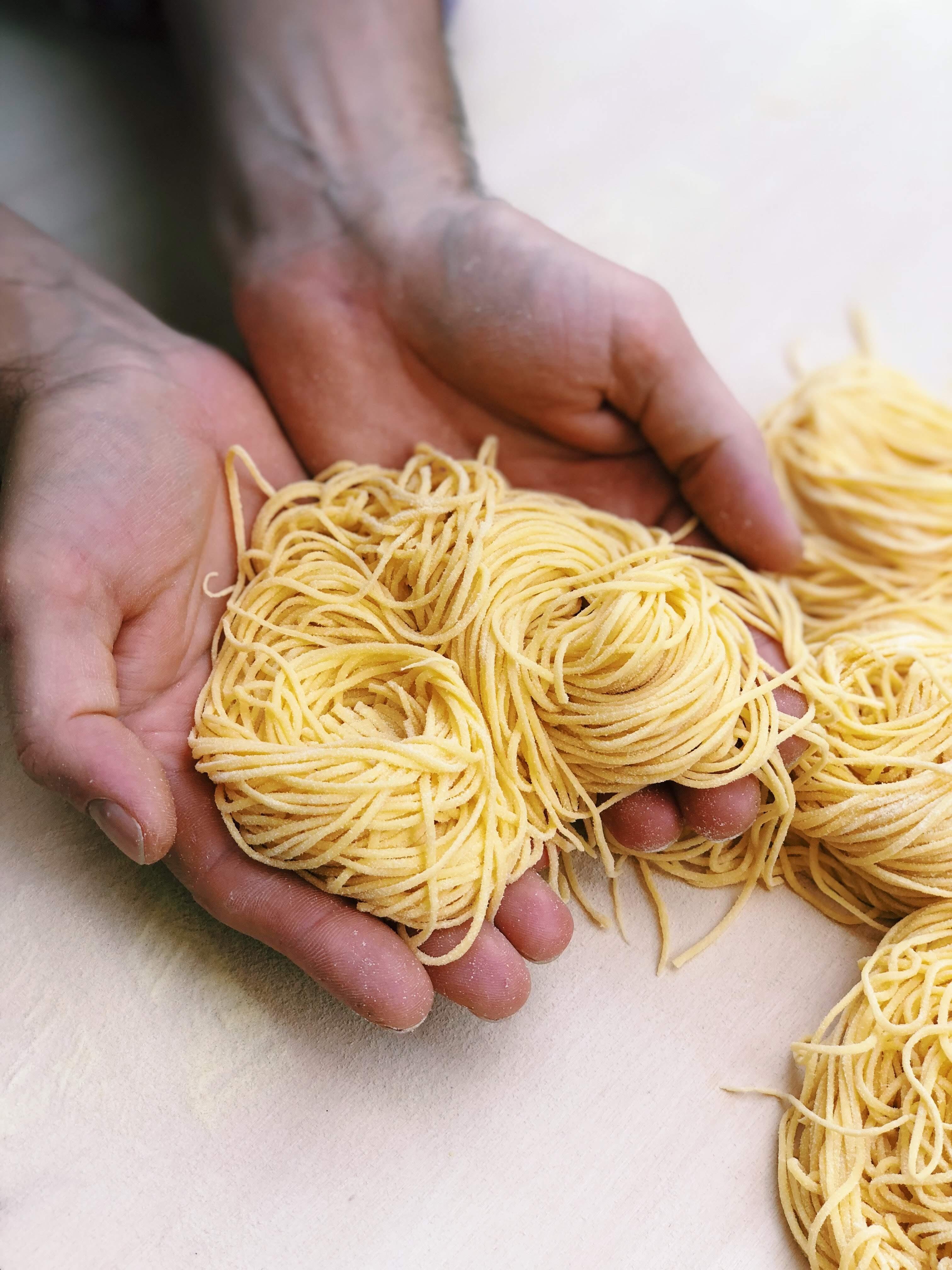
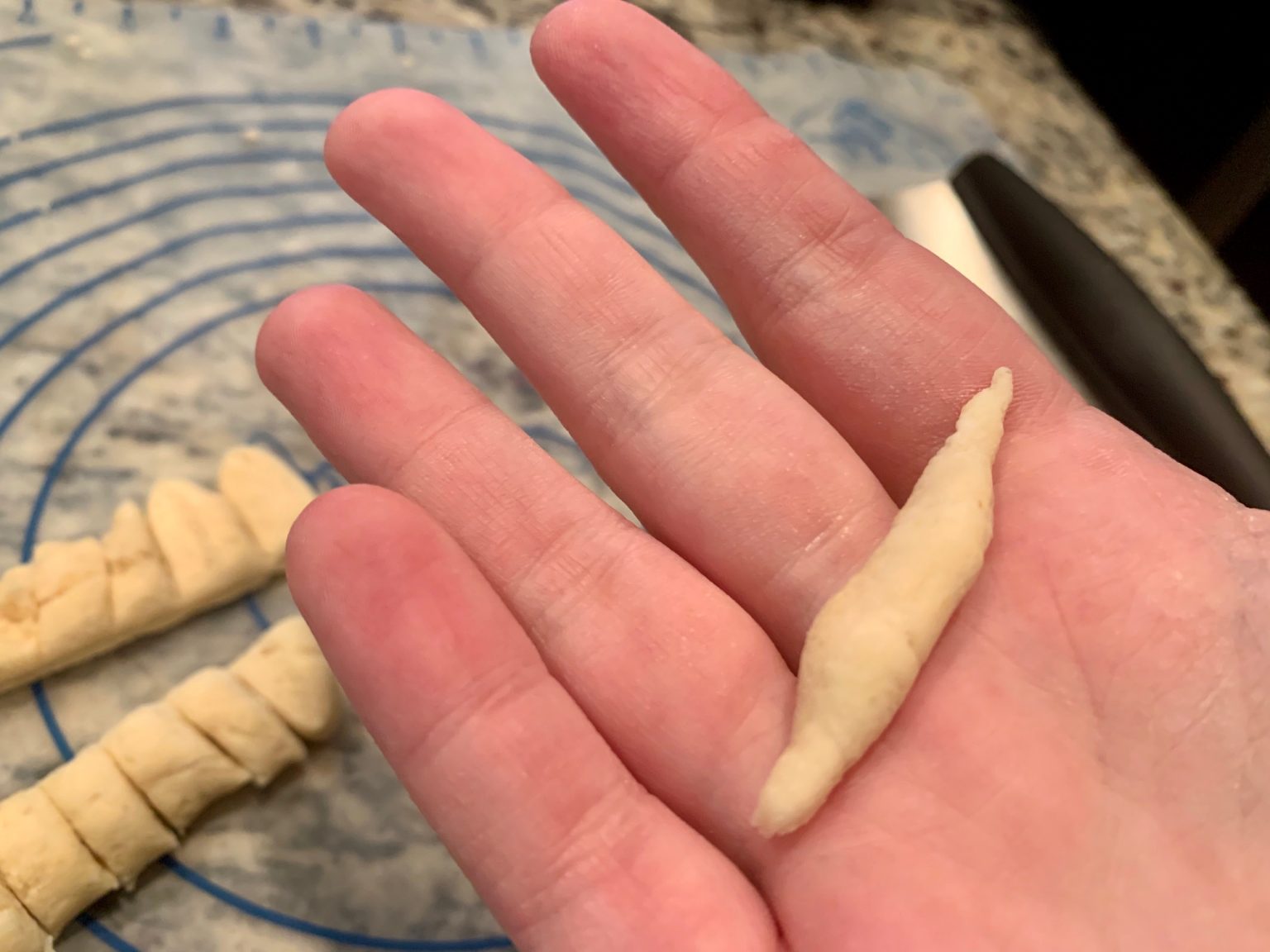
Learn to roll and shape fresh dough into authentic trofie. Discover the history of local pasta varieties.
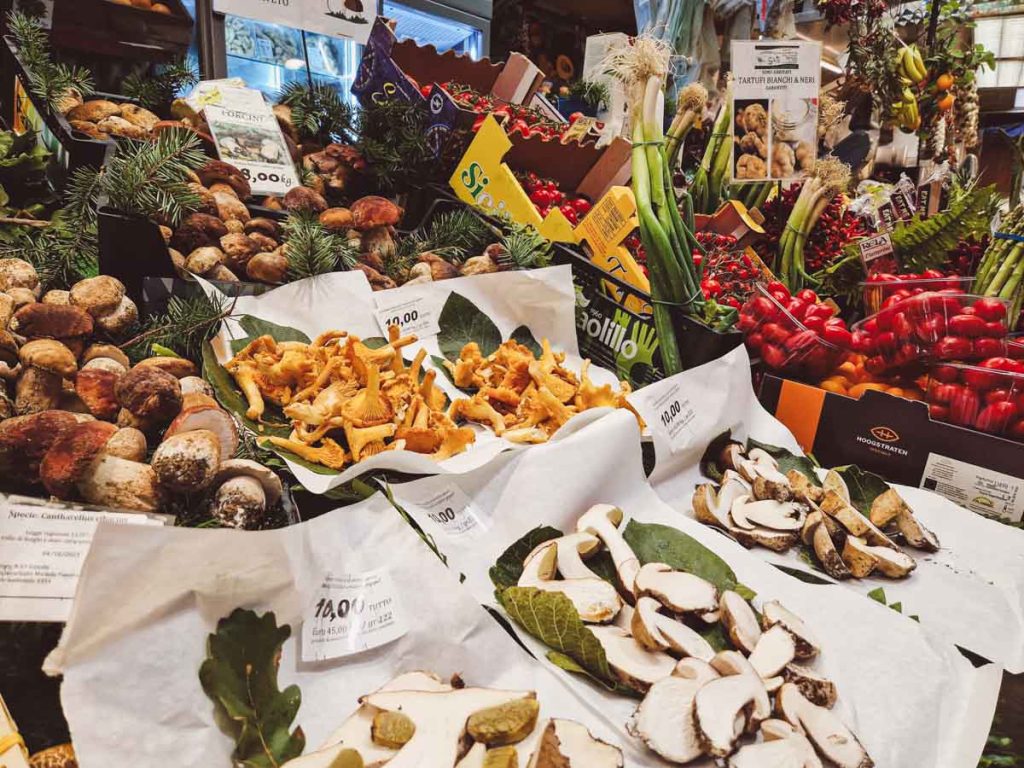
Explore seasonal produce and local cheeses with an expert guide. Learn how to identify quality ingredients for your Genoa cooking class.
Understand the nuances of local Ligurian white wines. Pair your prepared dishes with expert-selected regional varieties.
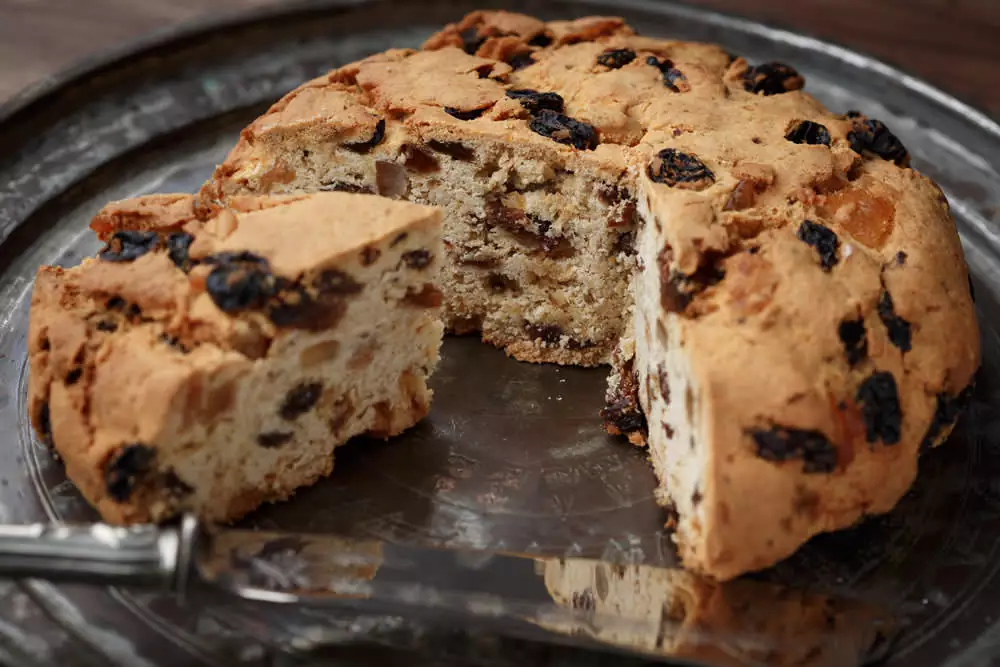
Create classic local sweets like pandolce. These recipes are staples of regional culinary tradition.
You start at the Mercato Orientale if you have chosen a morning slot, because the market tours run early and the basil is still cold. You pick up Pra' leaves, a wedge of Parmigiano, a jar of Ligurian oil. Doors open at 09:00 and the last useful arrival is 17:00, so you time your walk through the caruggi accordingly.
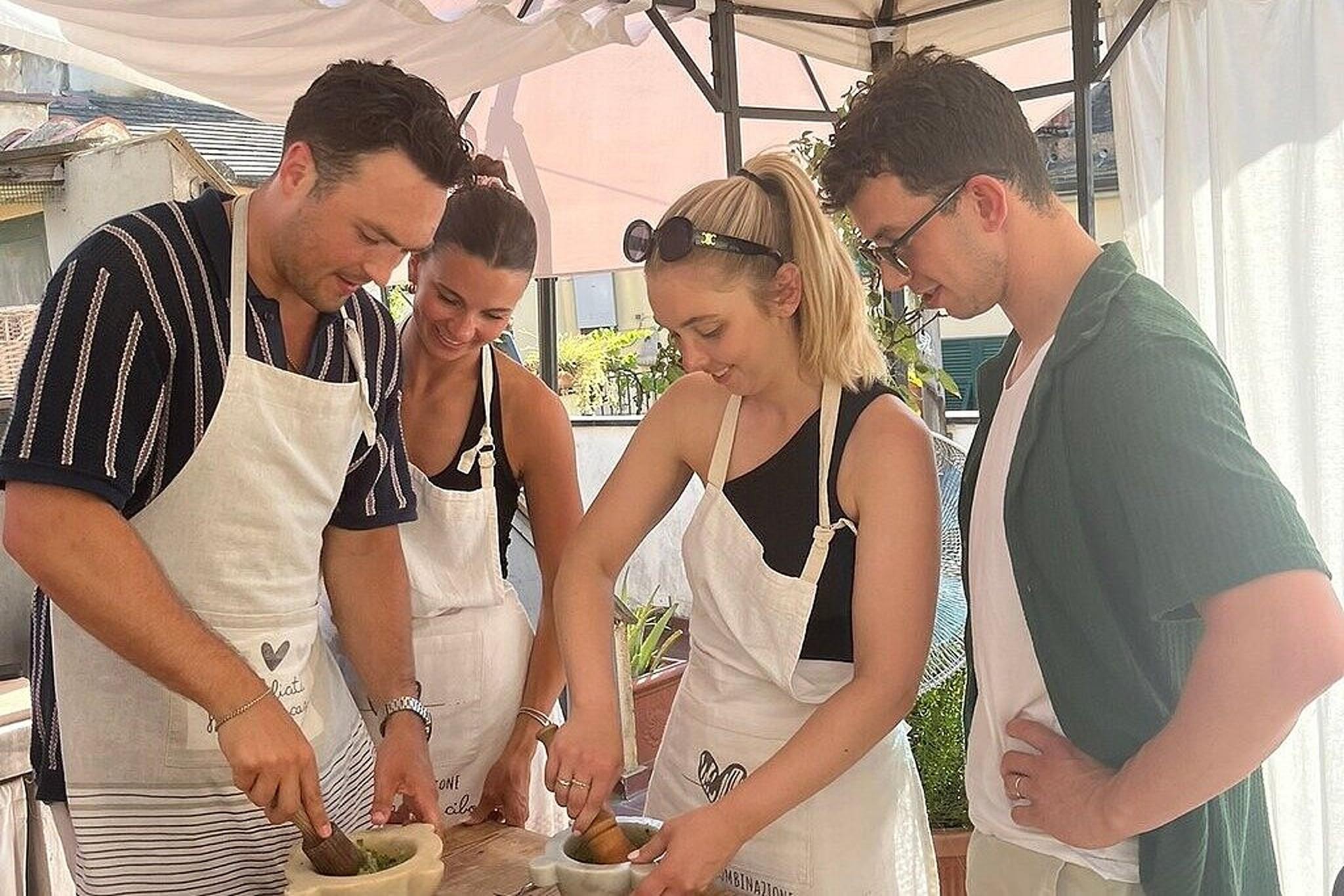
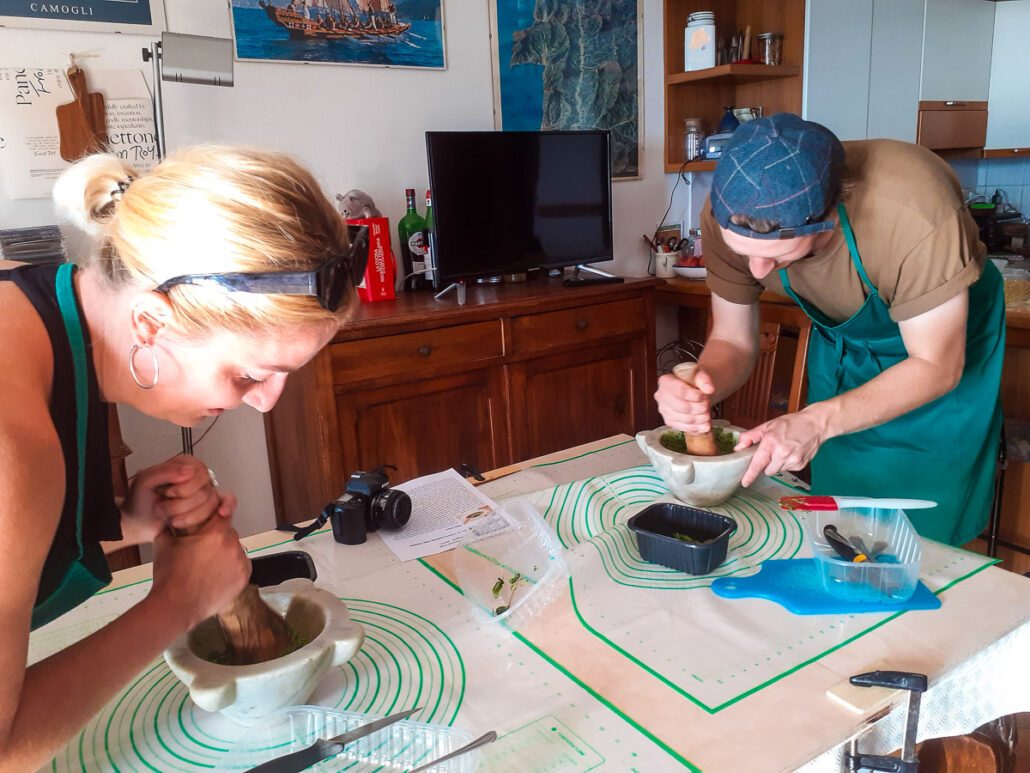
You wash your hands, tie an apron, and take a marble mortar. You crush garlic and coarse salt first, then add basil a few leaves at a time and work the pestle in a slow circle rather than pounding. Your arm tires before the sauce is ready. A genoa pesto cooking class will correct your grip at least twice.
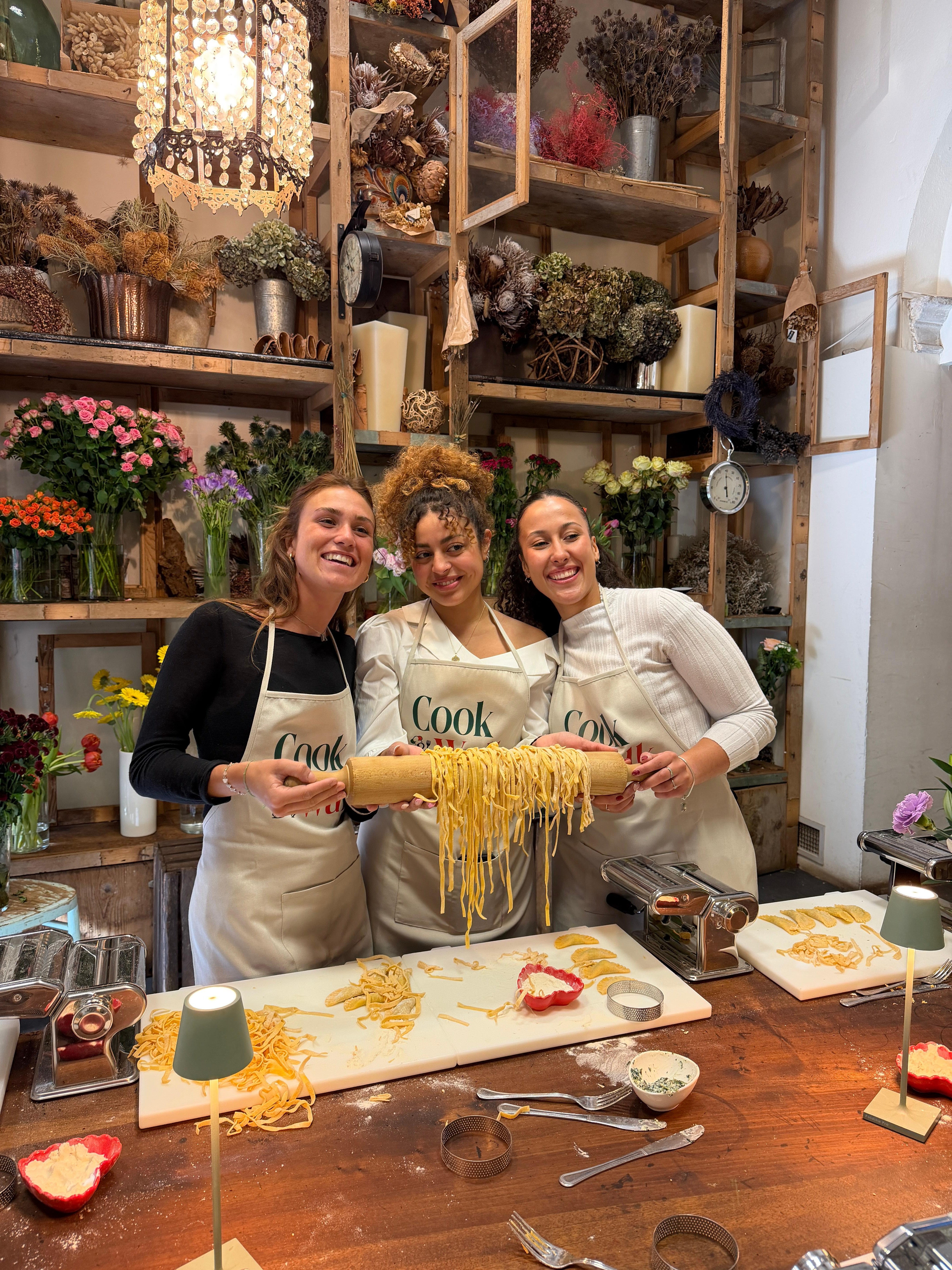
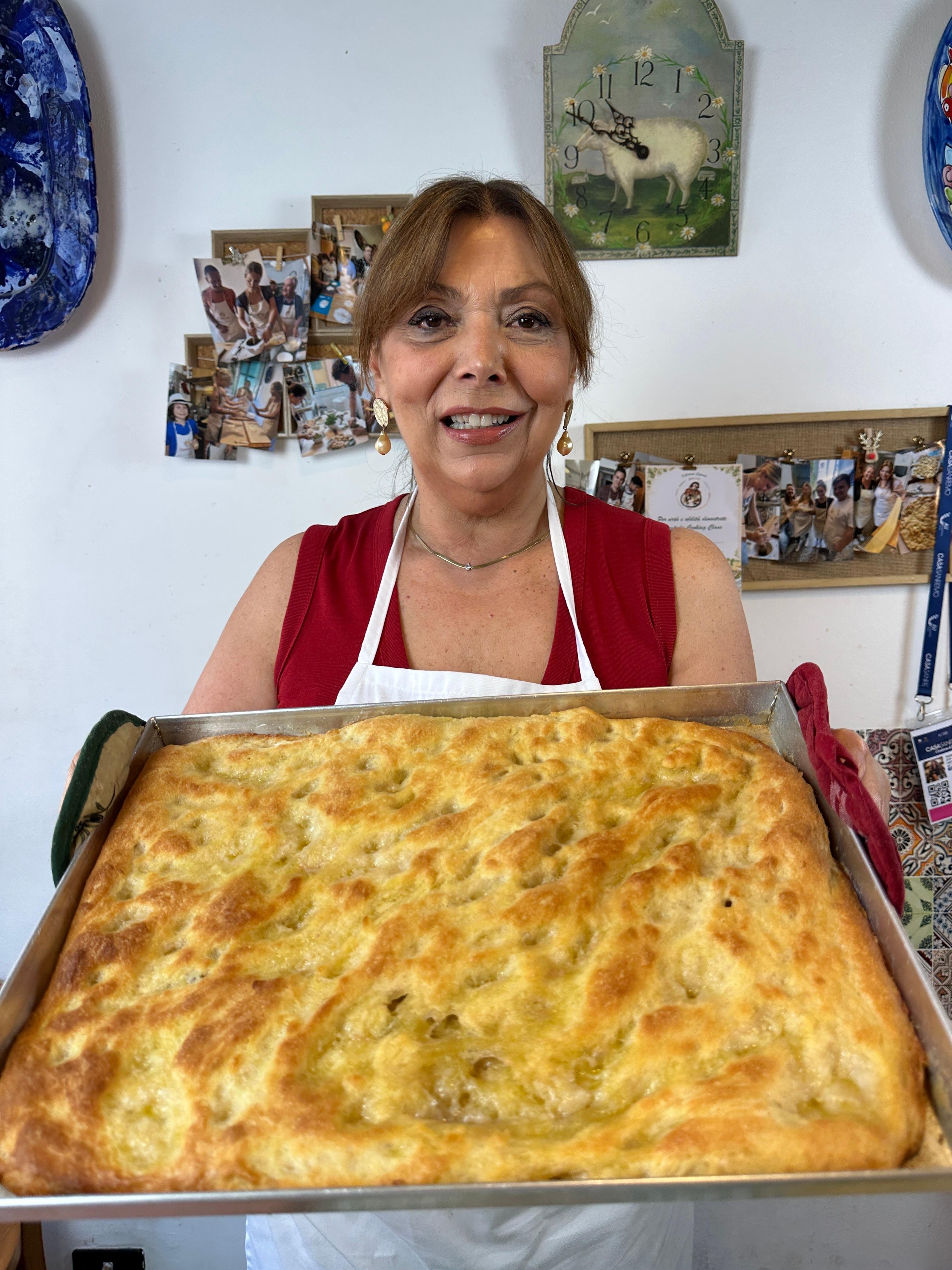
Then you move to flour. You roll trofie against the board with the side of your palm, producing crooked spirals that improve by the twentieth attempt. You slide focaccia into the oven, count the dimples, watch the oil pool. A genoa cooking class ends where it should — at a table, plates full, hands still smelling of basil.
All the details about your upcoming adventure in one place
Most sessions begin with a market walk through the caruggi near Mercato Orientale, where the chef picks basil from Prà, salt-cured anchovies, and a wedge of aged Parmigiano before heading to the kitchen. Hands-on work usually covers pesto ground in a marble mortar with a wooden pestle, fresh trofie or trenette rolled by hand, and focaccia col formaggio pressed into a tray, followed by a sit-down meal of everything you made. Booking genoa cooking class tickets in advance matters because Ligurian home kitchens and studio spaces cap numbers tightly.
Pesto has a legal definition. Since 2005 the Consorzio del Pesto Genovese has held a competition in the Palazzo Ducale where competitors work only marble mortars and boxwood pestles, and basil grown on the terraced slopes of Pra' — leaves small, pale, and free of the mint note that betrays basil grown elsewhere.
The rules are not decorative. They record what Liguria decided was worth protecting.
The cuisine those rules protect grew from scarcity. Liguria is a thin shelf of land pressed between the Apennines and the sea, with little pasture and less grain. Genoese cooks turned to herbs, chestnut flour, chickpeas and olive oil from the Riviera di Ponente. Farinata, baked in copper pans in wood ovens, fed dockworkers for centuries. Focaccia col formaggio belongs to Recco, twenty kilometres east, and is guarded by its own consortium. Trofie, trenette and corzetti — the last stamped with family crests on carved wooden discs — were shapes designed to hold thin sauces, not rich ones.
Salt cod, anchovies and preserved capers arrived through the port, which was for four hundred years among the busiest in the Mediterranean. Genoa's merchants brought back pine nuts, saffron and pepper; the city returned dried pasta, a Ligurian export documented as early as the twelfth century. The Republic's kitchens borrowed from Provence, Sardinia and the Levant, and the borrowing shows in cappon magro, a layered fish-and-vegetable construction once made from leftovers and now served as a formal dish.
The modern genoa cooking class descends directly from this record. Instruction happens in restored ground-floor rooms of the caruggi, the narrow medieval lanes below Via Garibaldi, often within reach of the Mercato Orientale, where growers still sell basil by the bunch. A genoa cooking school may run a two-hour pesto workshop; a longer genoa cooking course adds pasta shaping and dough. Genova cooking classes vary in scope, but the syllabus rarely strays from the same short, defended list — proof that a genoa cooking class here teaches a canon rather than a trend.
The rules are not decorative — they record what Liguria decided was worth protecting.
Casual and comfortable clothing is recommended for a Genoa cooking class. Flat, closed-toe shoes are essential for safety in professional kitchen environments.
Participants should arrive with minimal personal belongings. Space for large bags is limited, and secure storage is not provided at most class locations.
Photography of your own culinary creations is encouraged. Please respect the privacy of instructors and other participants when capturing videos during a Genoa cooking class.
Family-friendly sessions are available for children accompanied by adults. Age restrictions vary by provider, so verify specific requirements for your Genoa cooking class.
Most historic center kitchens in Genoa have limited accessibility due to stairs. Please confirm facility layout before booking your Genoa cooking class.
All necessary ingredients are provided for your meal. Consumption of alcohol is restricted to participants of legal drinking age during the class.
Opening Hours
09:00–18:00
Address
Genoa City Center, Genoa, Italy
Entry Fee
0 EUR
Arrival
09:00–17:00
Storage
Not available on-site
Navigation
City center access
Public transport · 30 mins · 2 EUR
Use AMT Genova buses to reach the city center
Walk · Varies · 0 EUR
The city center is pedestrian-friendly
Private cooking services typically require cancellation 48 hours in advance for a full refund. The 0 EUR entrance fee does not apply to private course costs.
Recommended time
3-5 hours
Participating in a genoa cooking class typically requires a half-day commitment to allow for ingredient preparation and meal enjoyment. Morning sessions often include guided visits to local markets, whereas afternoon workshops focus primarily on hands-on instruction in the city center. Visitors should reserve genoa cooking class tickets in advance to ensure availability, as these private sessions maintain small group sizes. Those seeking to book a genoa cooking class tour should allocate an extra hour for casual strolling through historic Genoa landmarks.
Crowd levels through the day
Weather · crowds · average price — dots go green to amber to red as each metric rises.
Mild temperatures make walking to a Genoa cooking class pleasant. Markets feature seasonal artichokes and asparagus during these months.
Attend classes in the morning to avoid heat. Fresh summer basil is the key ingredient for authentic pesto workshops.
Harvest season brings local mushrooms and walnuts. Attend your Genoa cooking class in October for milder weather.
Indoor sessions are ideal during colder days. January and February offer intimate, smaller group settings.
Secure your Genoa cooking class slot at least one week ahead. Summer demand is high for morning market tours.
Select a Genoa cooking class that specializes in authentic mortar and pestle technique. This is the local culinary signature.
The summer heat in Genoa requires hydration. Carry a bottle during your walk to the class location.
Verify if your chosen Genoa cooking class includes a market visit. This adds significant local context to the experience.
Navigating Genoa requires walking through narrow alleys. Flat shoes are better than sandals for kitchen safety.
Visitors participating in a genoa cooking class will find the city center filled with authentic culinary treasures. Most workshops are located in the historic heart, where you can easily find traditional trattorias and vibrant markets to supplement your genoa cooking class tour experience.
Located a short walk from the center, this spot serves fresh pesto and local catch. It is ideal for those seeking authentic Ligurian flavors after attending genoa cooking class tickets programs.;Mercato Orientale
Real experiences from real travelers
Our genoa cooking class started in a shaded courtyard off the caruggi with the smell of Genovese DOP basil already filling the room. Grinding pesto by hand in the marble mortar took more effort than I expected and my forearms felt it the next morning. The trofie came out uneven and nobody minded.
We signed up for a corso di cucina genovese expecting a demonstration and instead spent the whole morning with flour to the elbows. The chef showed us how to fold pansoti and dress them with walnut sauce, which I had never tasted before. Warm rain outside, open windows, a very relaxed room.
The genoa cooking class tour began with a walk through the Mercato Orientale to choose vegetables and a bottle of Ligurian olive oil. Watching the dough dimpled by hand and then eating focaccia straight from the stone oven is the part I keep describing to friends. Our host spoke slowly enough for everyone to follow.
Twelve of us in a fairly tight kitchen meant some jostling around the stove, though everyone still got a turn at the mortar. The pesto tasted greener and rougher than any jar I have bought at home. Bring a hair tie and shoes you do not mind dusting with flour.
We picked up genoa cooking class tickets two days ahead and still got a spot in a terrace kitchen above the Porto Antico. Late afternoon light came straight across the counter while we rolled trofie, which made for very good photos. Our host explained why Prà basil leaves stay small and sweet.
I had no idea a genoa cooking class would spend a full session on technique with a wooden pestle instead of a machine. You press and turn rather than chop, and the difference in texture is obvious once you taste both side by side. We ate everything we made at a long table with the windows open.
The chickpea farinata was not something I expected on the menu and it ended up being my favourite thing we made. Chickpea batter, a copper pan, a very hot oven and almost no other ingredients. Simple food explained properly.
We compared a few genoa cooking class tours before choosing one that let our two kids work at the counter alongside us. The younger one mostly ate basil leaves but he still shaped his own trofie. Steep stairs up to the kitchen, useful to know if anyone in your group struggles with them.
Autumn drizzle outside, a warm kitchen, and a patient chef who corrected my mortar grip about four times. This genoa cooking class covered pesto, focaccia col formaggio and a walnut sauce, and I have made all three since getting home. Recipes arrived by email the same evening.
The kitchen sits right on a busy caruggio so there is constant scooter noise through the window, which some people minded more than I did. We learned to dress trofie the traditional way with pesto, potato and green beans. Portions were generous and nothing went to waste.
Everything you need to know for your journey
A Genoa cooking class operates within the daily hours of 09:00–18:00. Please check with your specific provider for exact start times.
The 0 EUR fee applies to general entry to the Genoa City Center. A Genoa cooking class is a private service with its own fees.
Dress casually and wear closed-toe shoes for safety during your Genoa cooking class. You will be standing and working in a kitchen environment.
Yes, many providers offer family-friendly sessions. Always confirm age requirements for a Genoa cooking class before making a booking.
You are welcome to bring a camera to document your Genoa cooking class. Please be respectful of others when filming.
The best time for a Genoa cooking class is between 09:00–17:00 when markets are vibrant. Morning sessions are ideal in summer to avoid heat.
Storage is very limited, so avoid bringing large bags to your Genoa cooking class. Keep belongings to a minimum.
Accessibility for a Genoa cooking class varies by location. Many historic venues have stairs, so verify access beforehand.
You can reach the Genoa City Center by public transport or walking. Plan your arrival for 09:00–17:00 to meet your Genoa cooking class host.
Yes, you can visit landmarks like Cattedrale di San Lorenzo after your Genoa cooking class. The city center is compact and walkable.
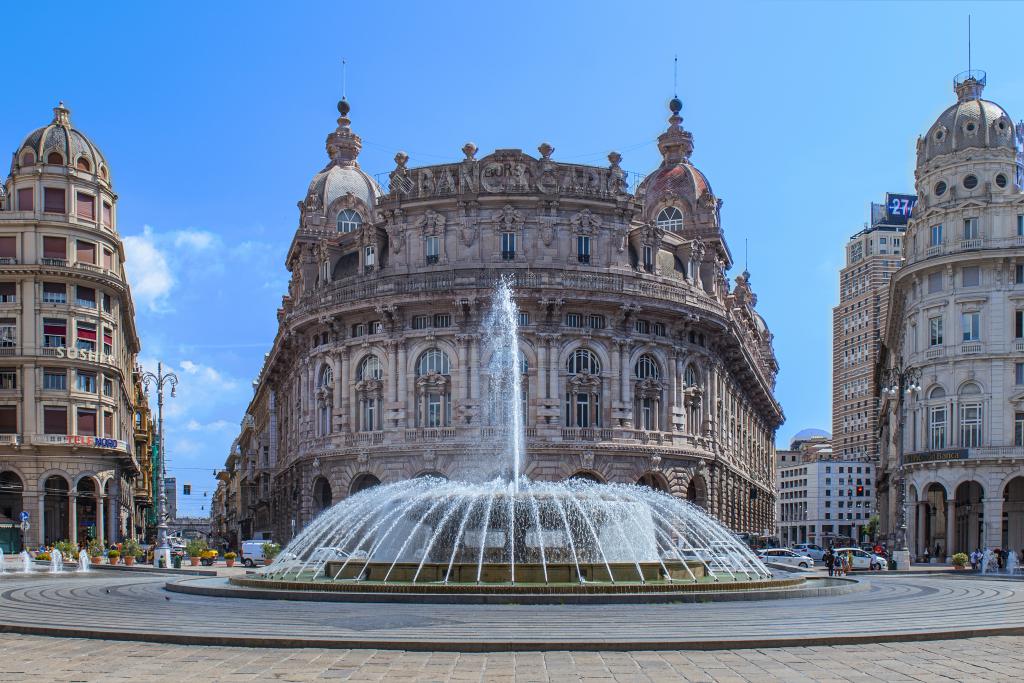
A historic palace hosting art exhibitions. It serves as a central landmark for meeting before a Genoa cooking class.
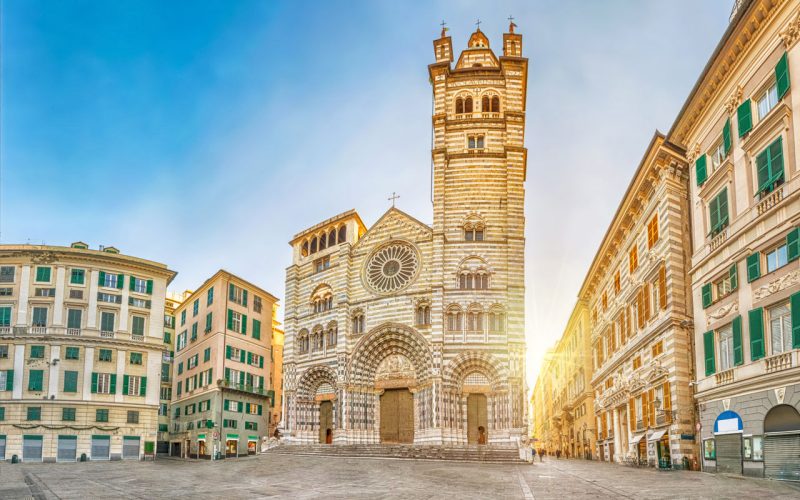
A stunning medieval cathedral featuring distinct black and white stripes. It is located near many culinary schools.
A famous street lined with Renaissance palaces. It is part of the UNESCO World Heritage site list.
A historic maritime area redesigned by Renzo Piano. It provides scenic views before or after your session.
Elegant hotel with historical significance near the station.
Located in the heart of the city near culinary spots.
Convenient rental options for independent travelers.
Join thousands of happy travelers who have discovered this incredible experience
Book Your Experience Now