3 hr
Genoa Rooftop Pesto & Pasta Cooking Experience
- Entry ticket
- Mobile voucher
- Valid same day
- Free cancellation
Pasta Cooking Class Genoa — Marble Mortars, Rooftop Kitchens, Genoese Homes
Flour meets seawater air, and dinner becomes a Ligurian inheritance.
Compare fares, pick the fit — all bookings are mobile-voucher and eligible for free cancellation where shown.
3 hr
2 hr 30 min
3 hr
Selecting the right pasta cooking class genoa involves choosing between an intensive Market Day experience or a specialized kitchen session. These authentic Italian culinary workshops offer diverse ways to master traditional local recipes.
|
Top pick Market Day Cooking Class All-inclusive market tour and lunch |
Fresh Pasta Cooking Class Specialized kitchen-based workshop | |
|---|---|---|
| Duration | 4.5 hours | 3.5 hours |
| Inclusions | Market tour, hands-on cooking, lunch with wine | Hands-on pasta and pesto/sauce preparation, lunch |
| Location | Genoa city center meeting point | Genoa (private/specialized setting) |
| Group Size | Small group (max 6) | Small group or private request |
| Best for | First-time visitors wanting market immersion | Focused pasta and sauce skill mastery |
| See tickets & prices |
Verdict: Choose the Market Day option for a full-day culinary adventure, or book the specialized pasta cooking class genoa tickets for a direct, skill-based focus.
Worth it for hands-on cooks, not casual sightseers
A pasta cooking class genoa runs from 160 EUR per person for roughly 3.5 hours, which sounds steep until you break it down: you are paying for a small-group session where you actually make trofie, trenette or ravioli by hand, plus a mortar-and-pestle pesto genovese lesson, plus the full meal you cooked. Split that across instruction, ingredients and a sit-down lunch or dinner with wine, and the hourly value holds up against a comparable restaurant bill in the centro storico. The market-to-table format — basil from Prà, Ligurian olive oil, aged pecorino — is what separates these workshops from generic tourist demos. Options range from a rooftop pesto session to a Genoese home kitchen or a Michelin-trained chef studio. Skip it if you want a quick meal or dislike group settings; pasta cooking class genoa tours reward people who cook at home and want a recipe that survives the flight back.
Bottom line: If you cook at all, a Genoese pasta workshop earns its 160 EUR; if you just want lunch, book a trattoria instead.
Choosing between a pasta cooking class genoa and a dedicated pesto workshop depends on whether you seek broader culinary techniques or a deep dive into Ligurian traditions; most visitors find the pesto workshop more immersive for regional culture.
|
Top pick Pasta Class |
Pesto Workshop | |
|---|---|---|
| Focus | Flour and egg dough | Pesto mortar techniques |
| Difficulty level | Moderate | Easy |
| Primary tool | Wooden rolling pin | Marble mortar and pestle |
| Hands-on intensity | High | Medium |
| Skill outcome | Handmade pasta shapes | Authentic sauce emulsion |
| Min price per person | 160 EUR (summer) | 85 EUR (summer) |
| Duration | 3.5 hours | 1.5 hours |
| See tickets & prices |
Verdict: For those securing pasta cooking class genoa tickets, prioritize the pasta class for technical meal preparation, whereas the pesto workshop is better for a quick, focused pasta cooking class genoa tour of Ligurian heritage.
Hand-picked experiences loved by thousands of travelers
2 hours
Free Cancellation
Master authentic Italian pasta-making in a hands-on class led by chefs with Michelin restaurant experience
2.5 hours
Free Cancellation
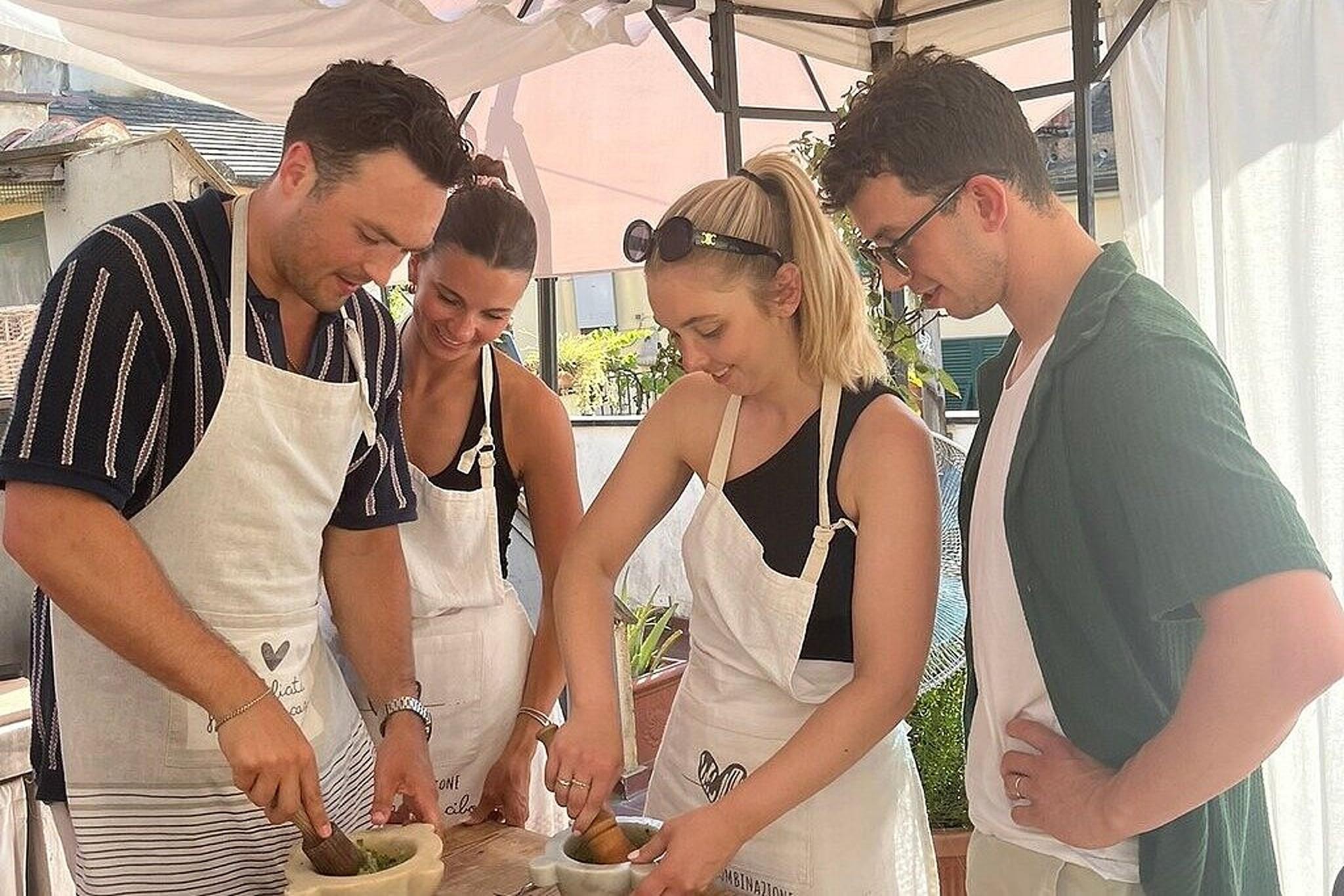
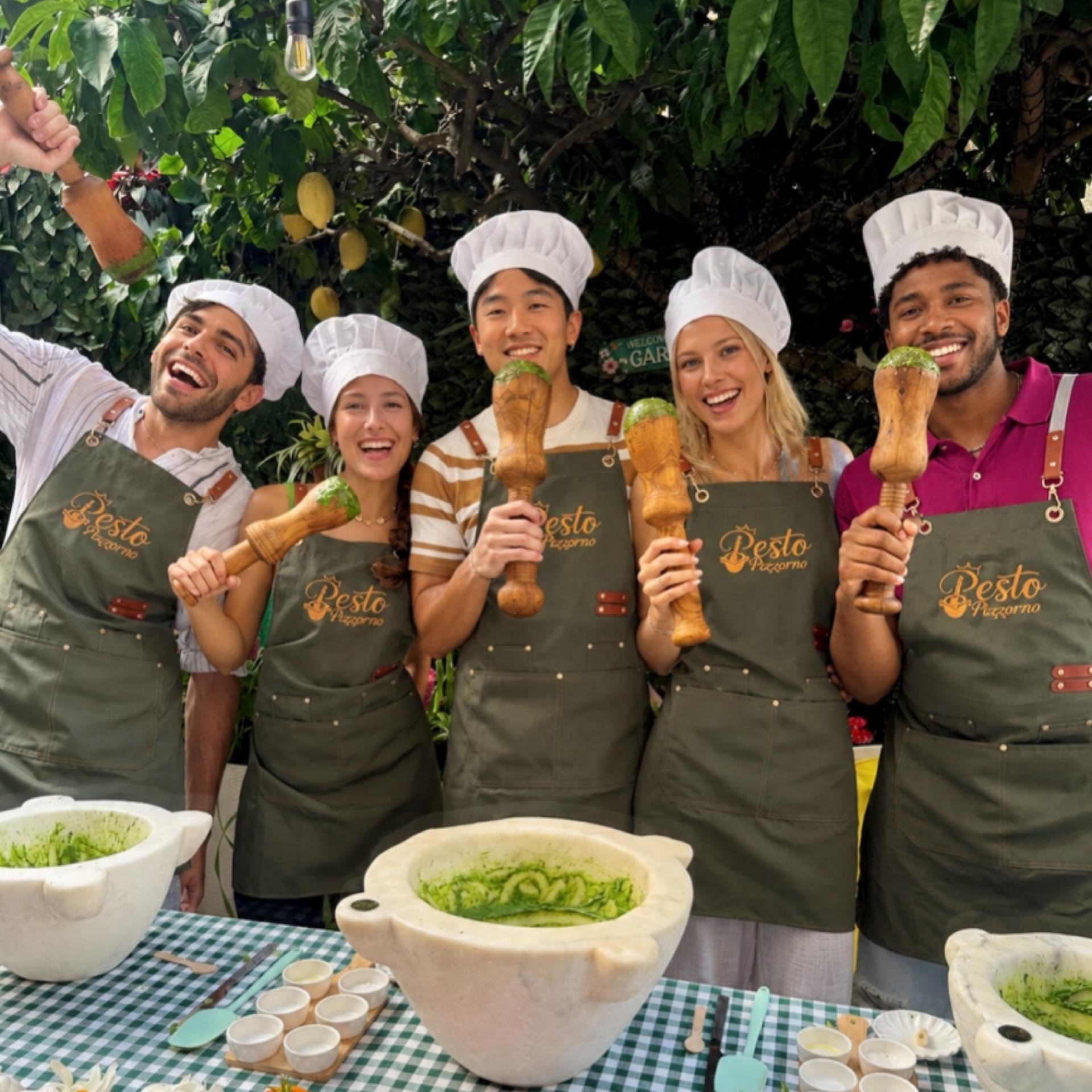
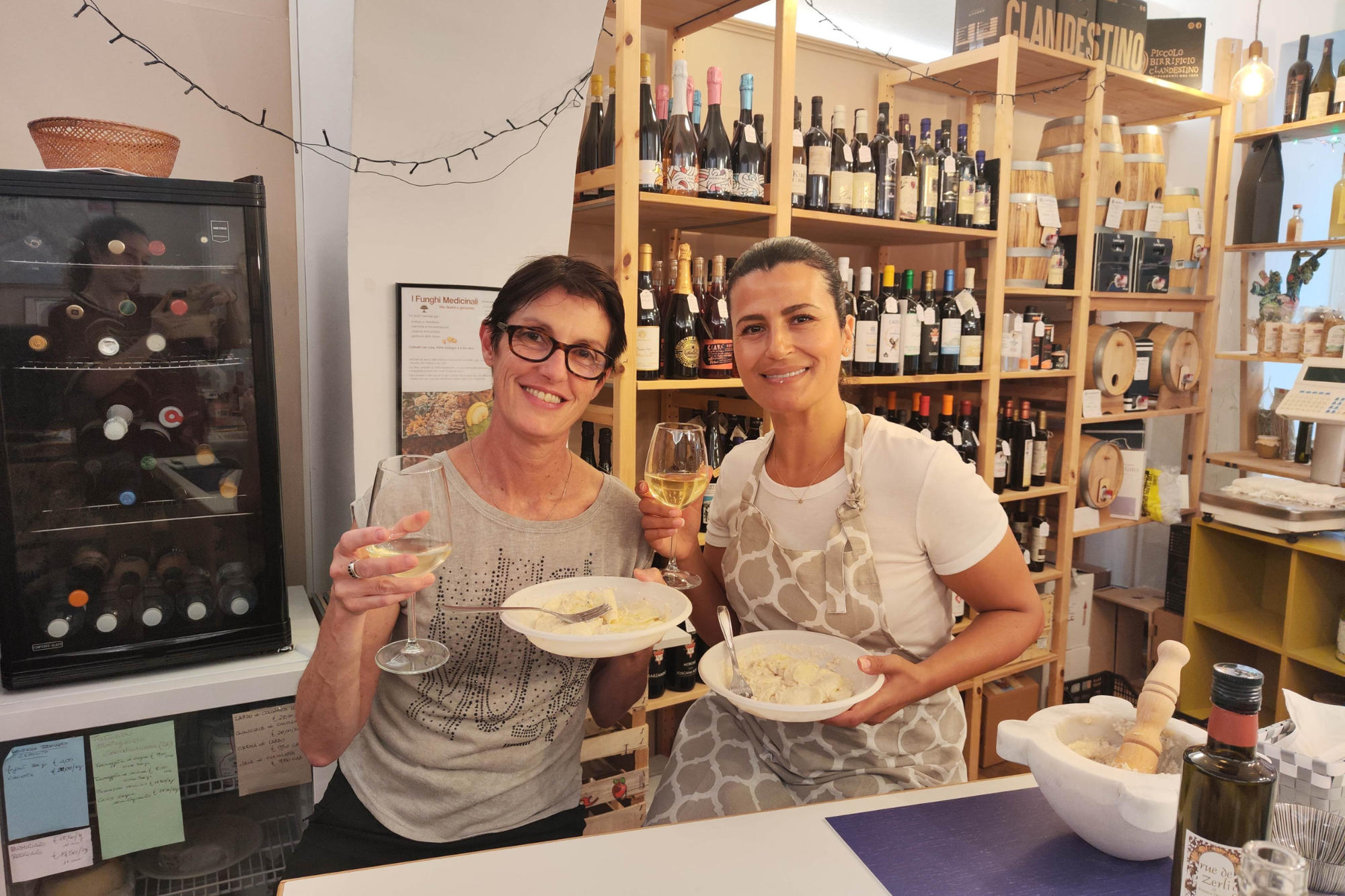
Craft authentic basil pesto using marble mortar and pestle, then savor your creation with local wine
1.5 hours
Free Cancellation
Learn traditional mortar-and-pestle pesto from a championship-winning chef, then savor a complete Ligurian meal
3.5 hours
Free Cancellation
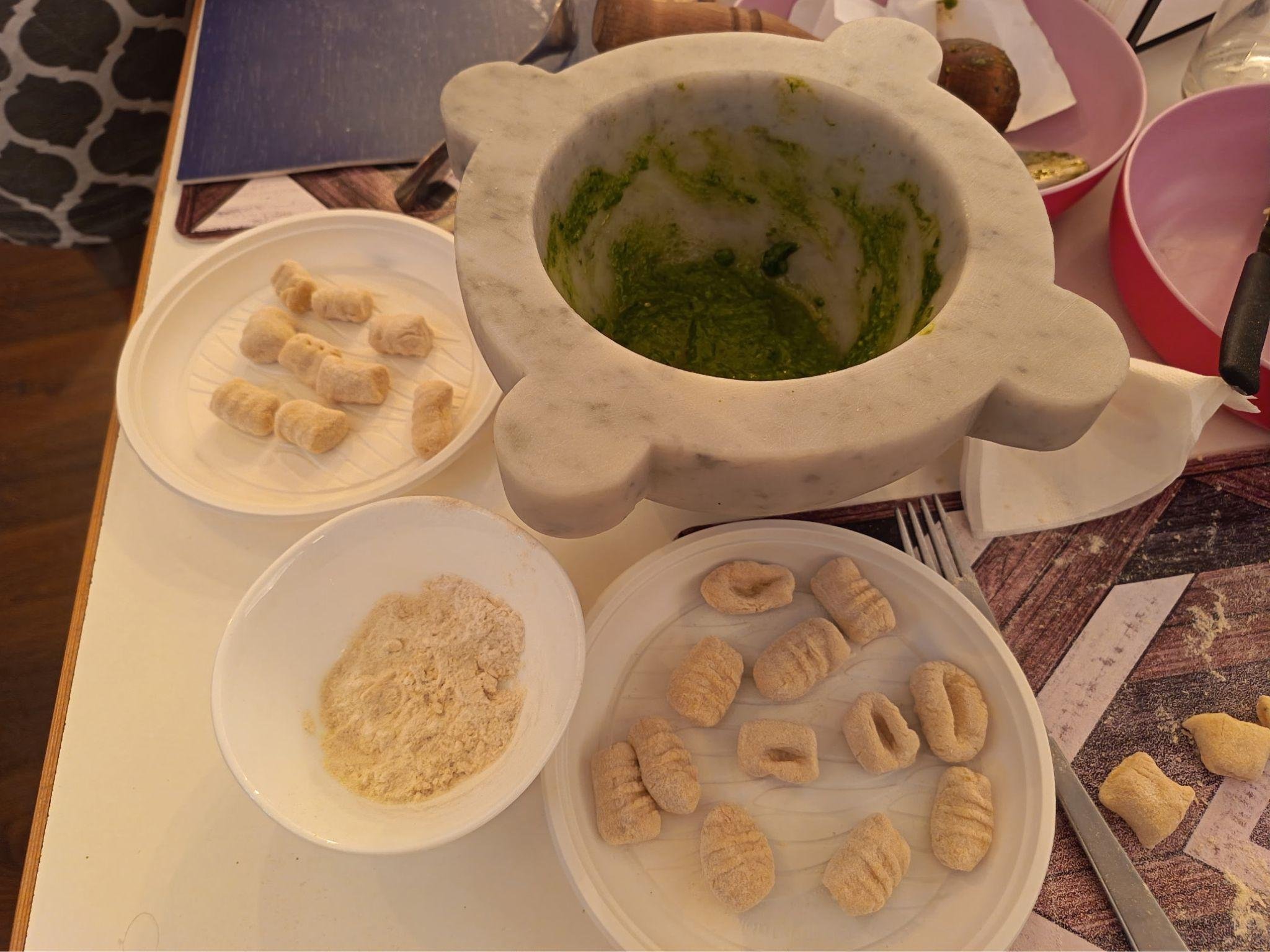
Learn to craft potato gnocchi and traditional pesto using mortar and pestle in a family-run Ligurian shop
2 hours
Free Cancellation
Master three Italian classics in a certified instructor's home near the historic Palazzi dei Rolli
3 hours
Free Cancellation
Master the art of Ligurian walnut pesto in a historic Genoese bottega using traditional marble mortar techniques
1.5 hours
Free Cancellation
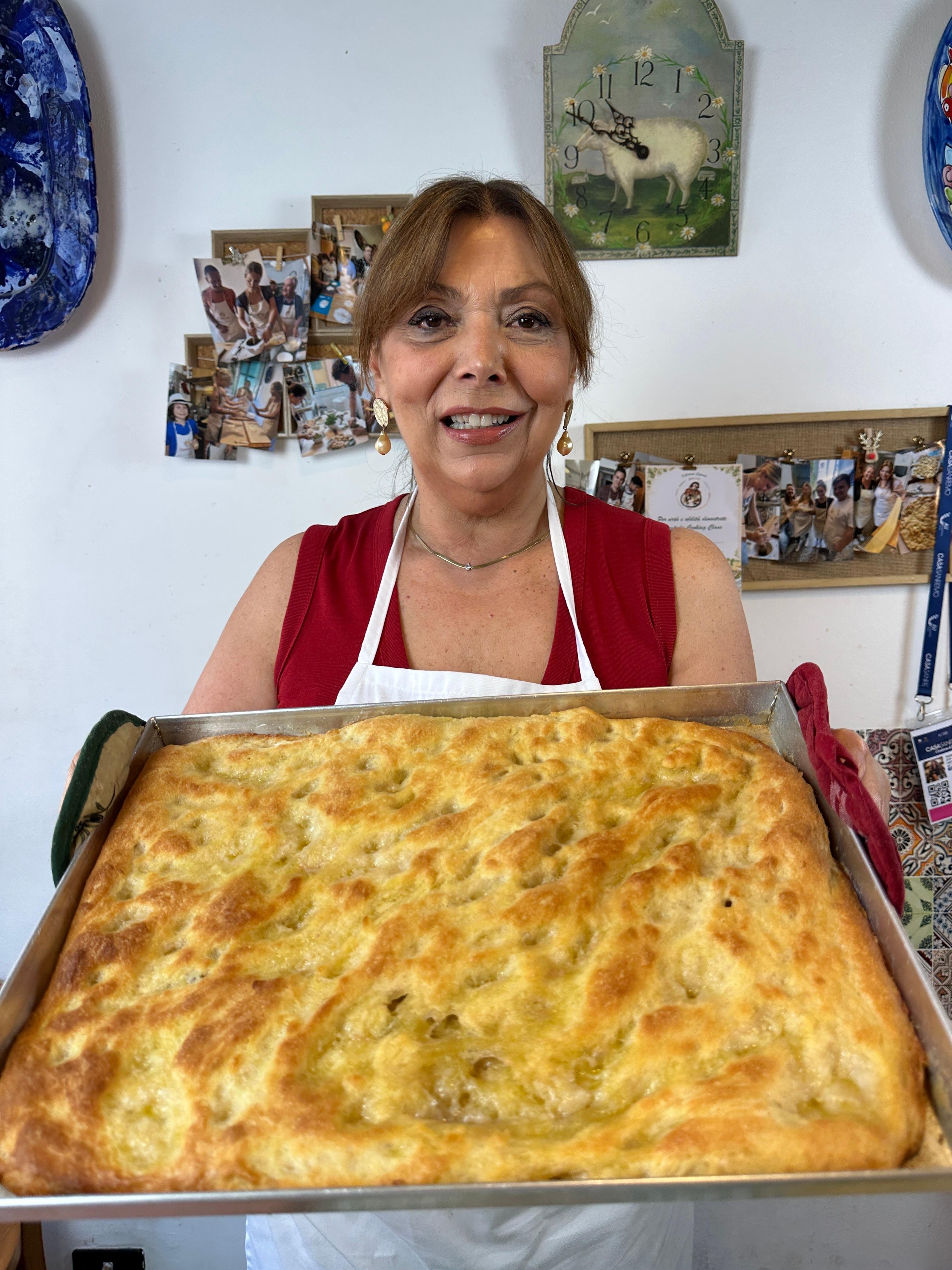
Master traditional Genoese baking and pesto-making techniques in an authentic 18th-century residence
3.5 hours
Free Cancellation
Master three iconic Ligurian recipes in a hands-on cooking session with terrace dining and wine
You come up out of the caruggi with the light still narrow between six-storey walls, and find the door. Someone hands you an apron and a glass of Vermentino. On the counter: a mound of soft-wheat flour, a bowl of eggs, and a marble mortar with the weight of a small anvil.
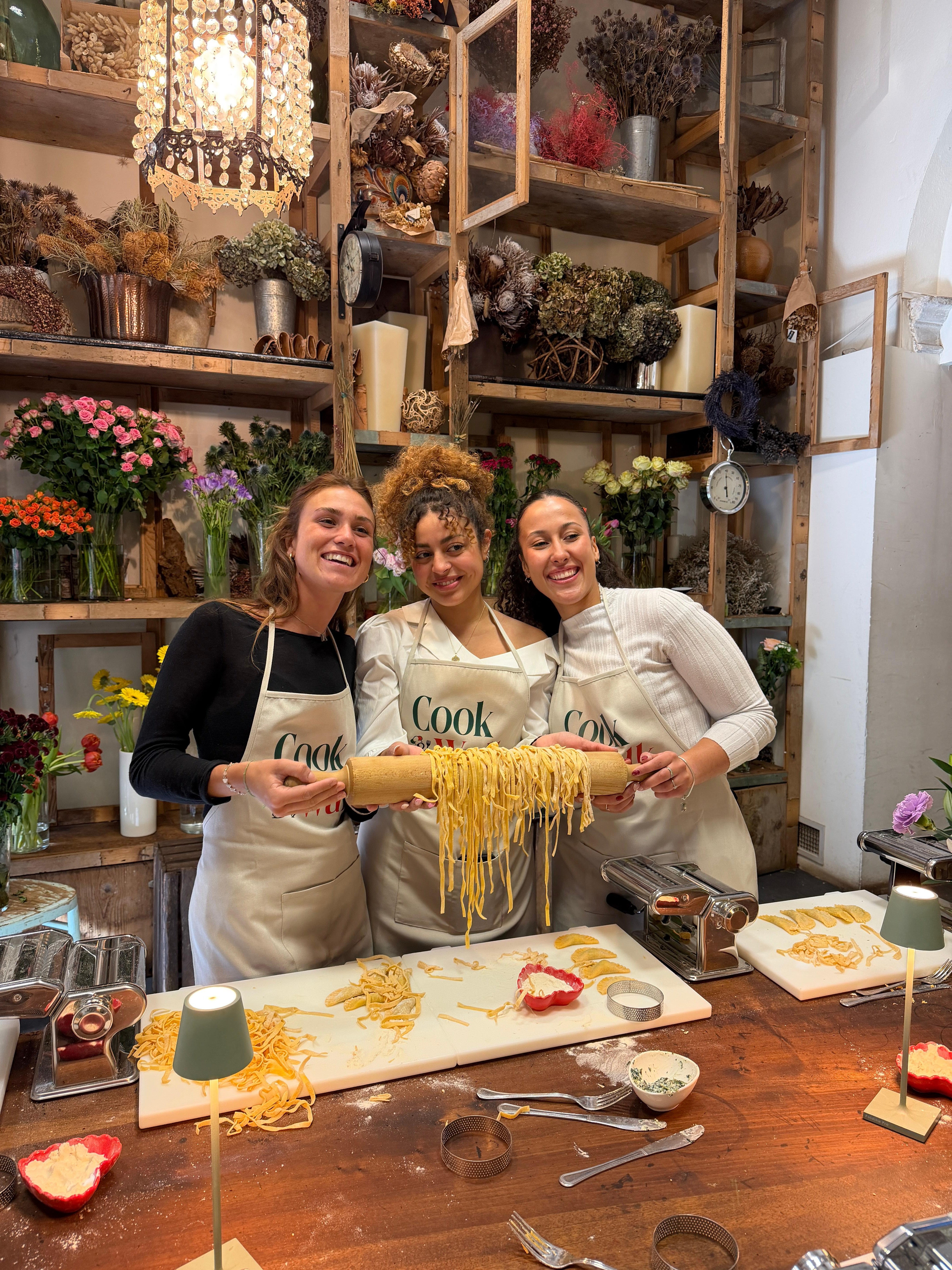
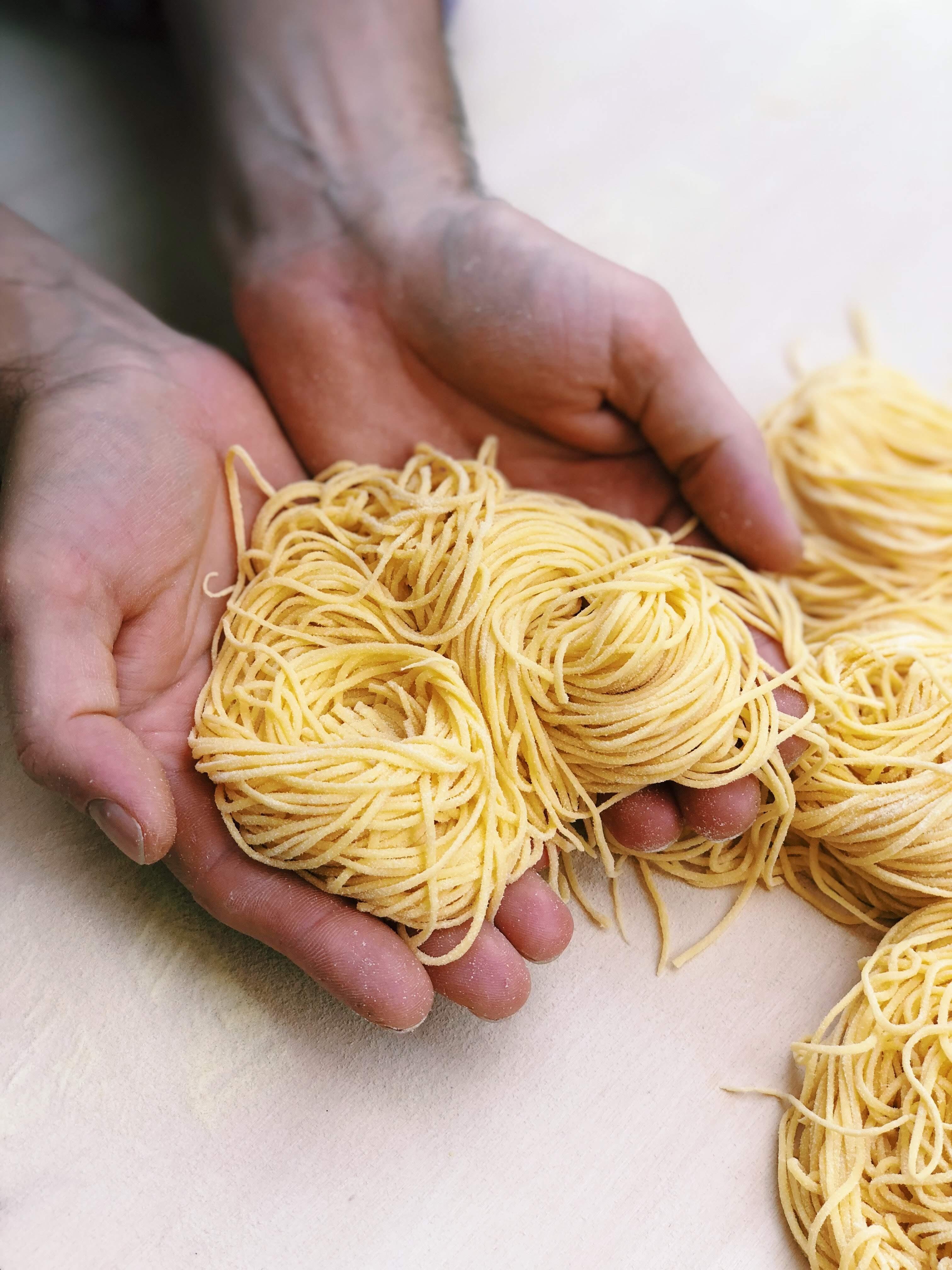
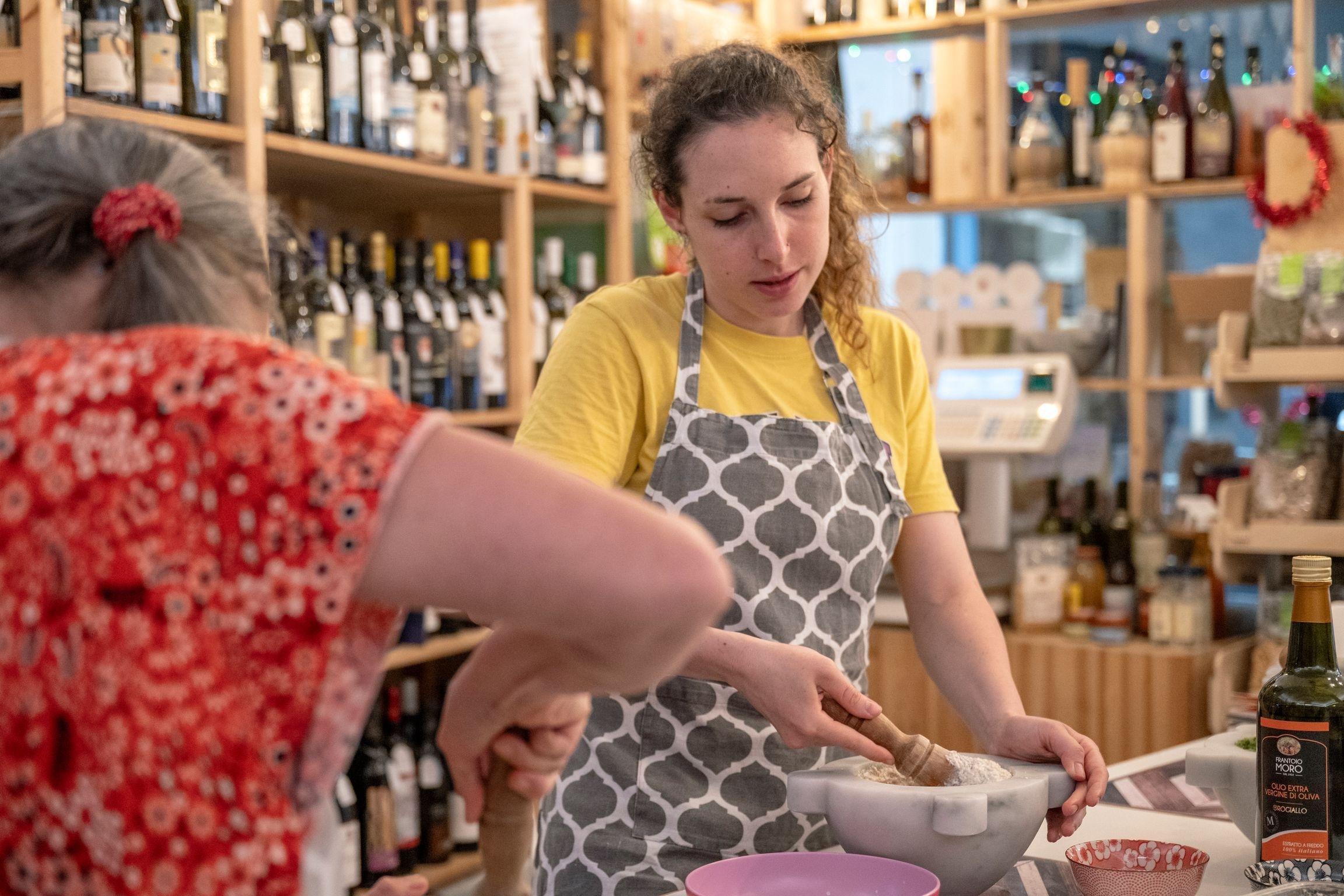
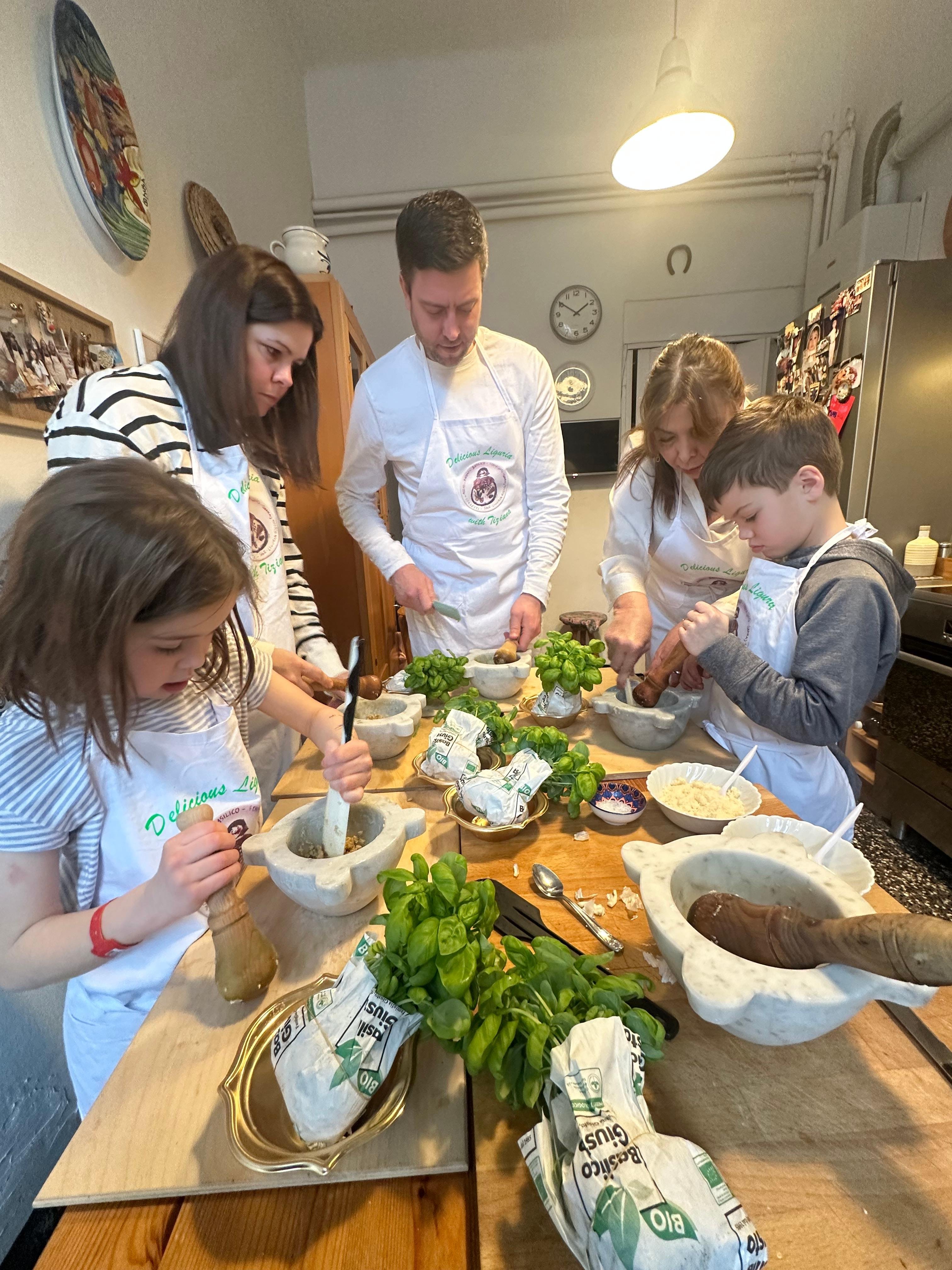
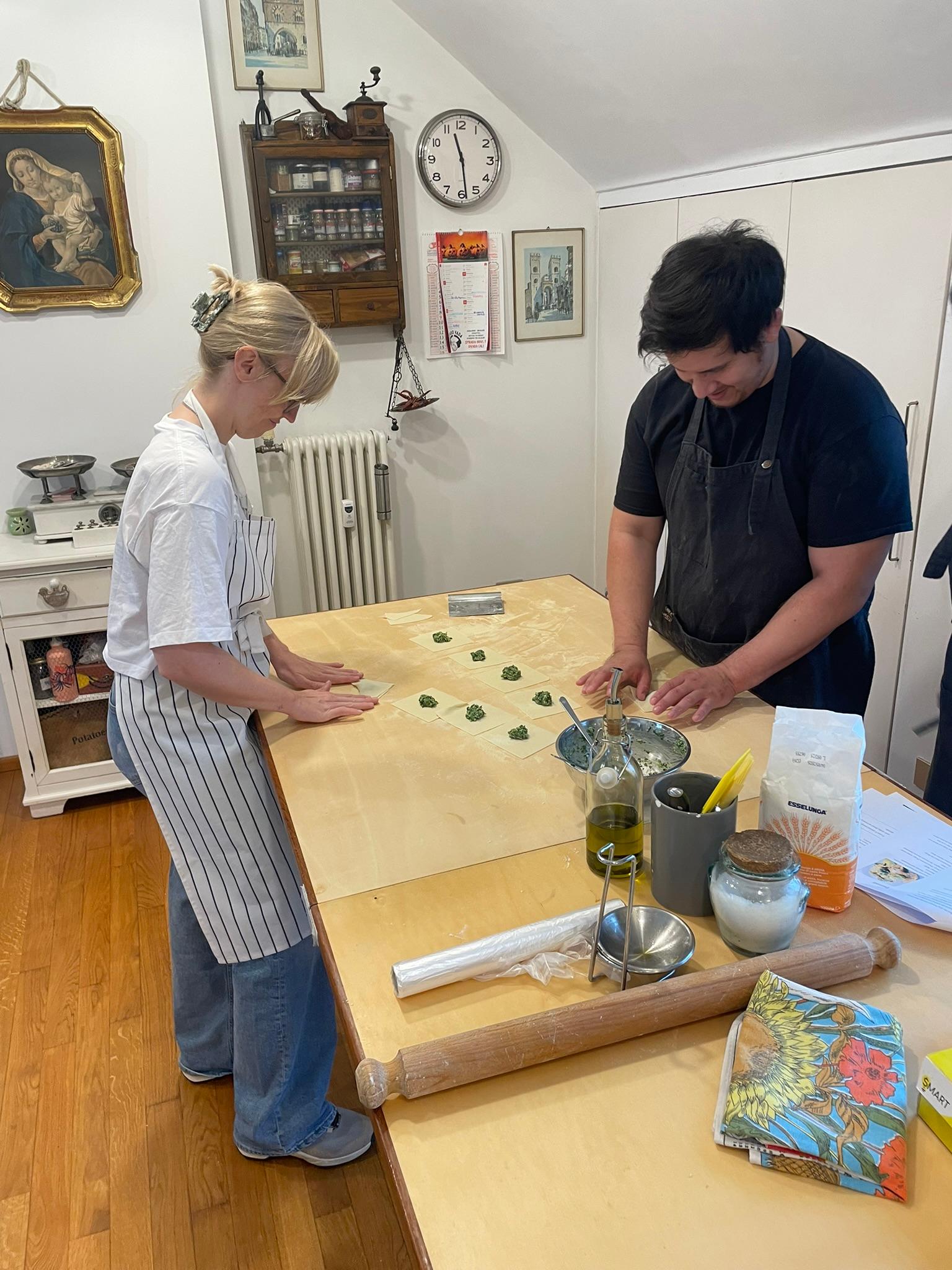
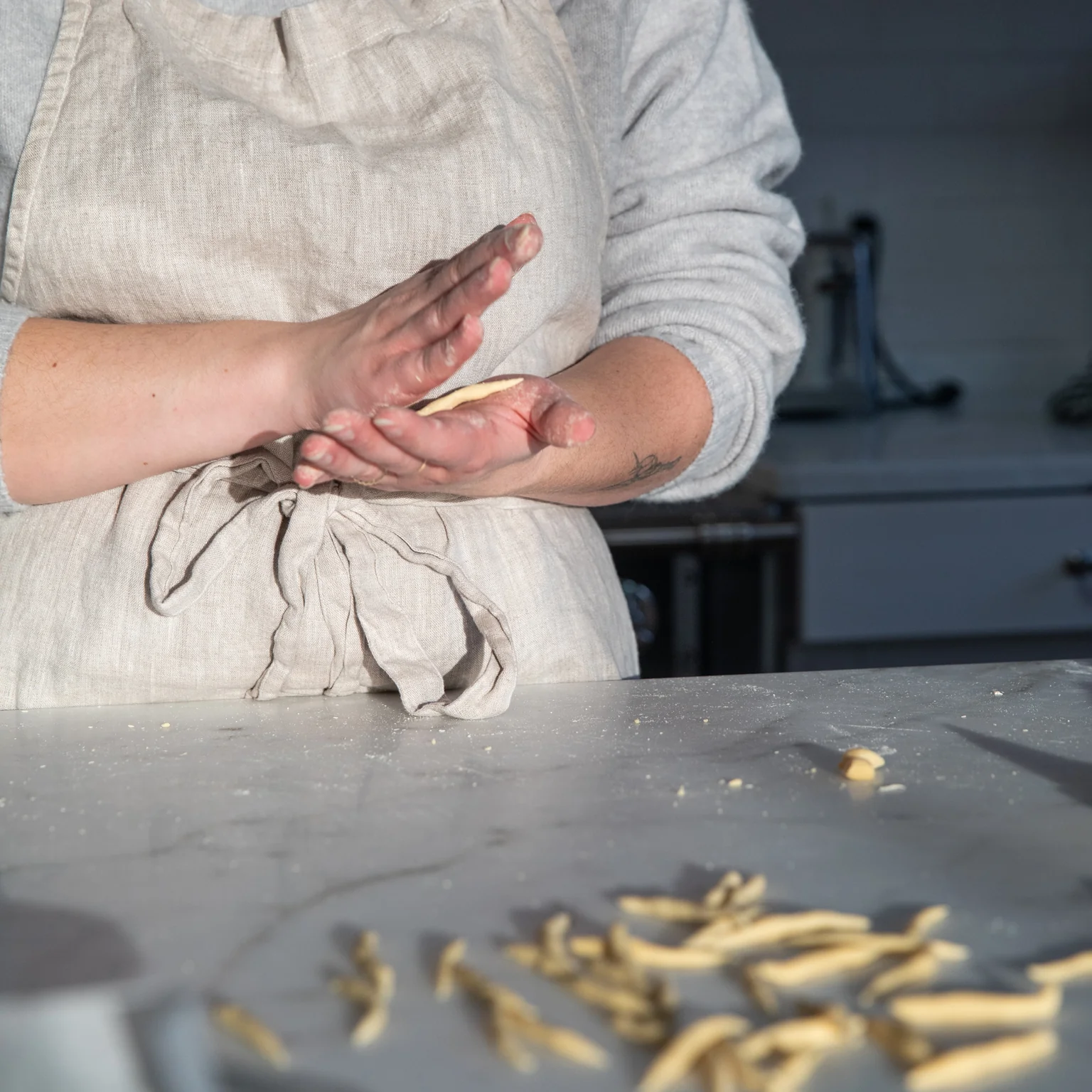
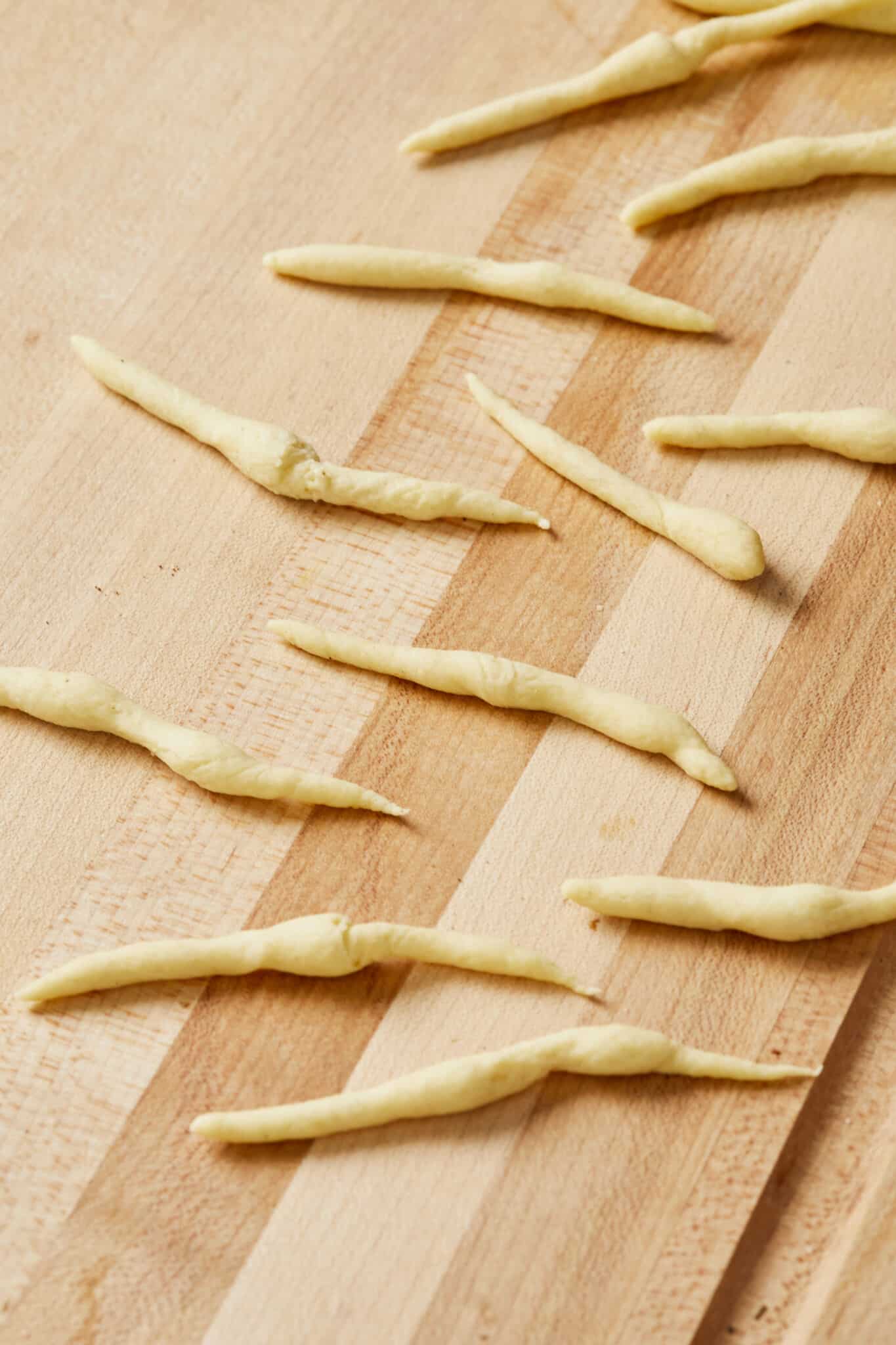
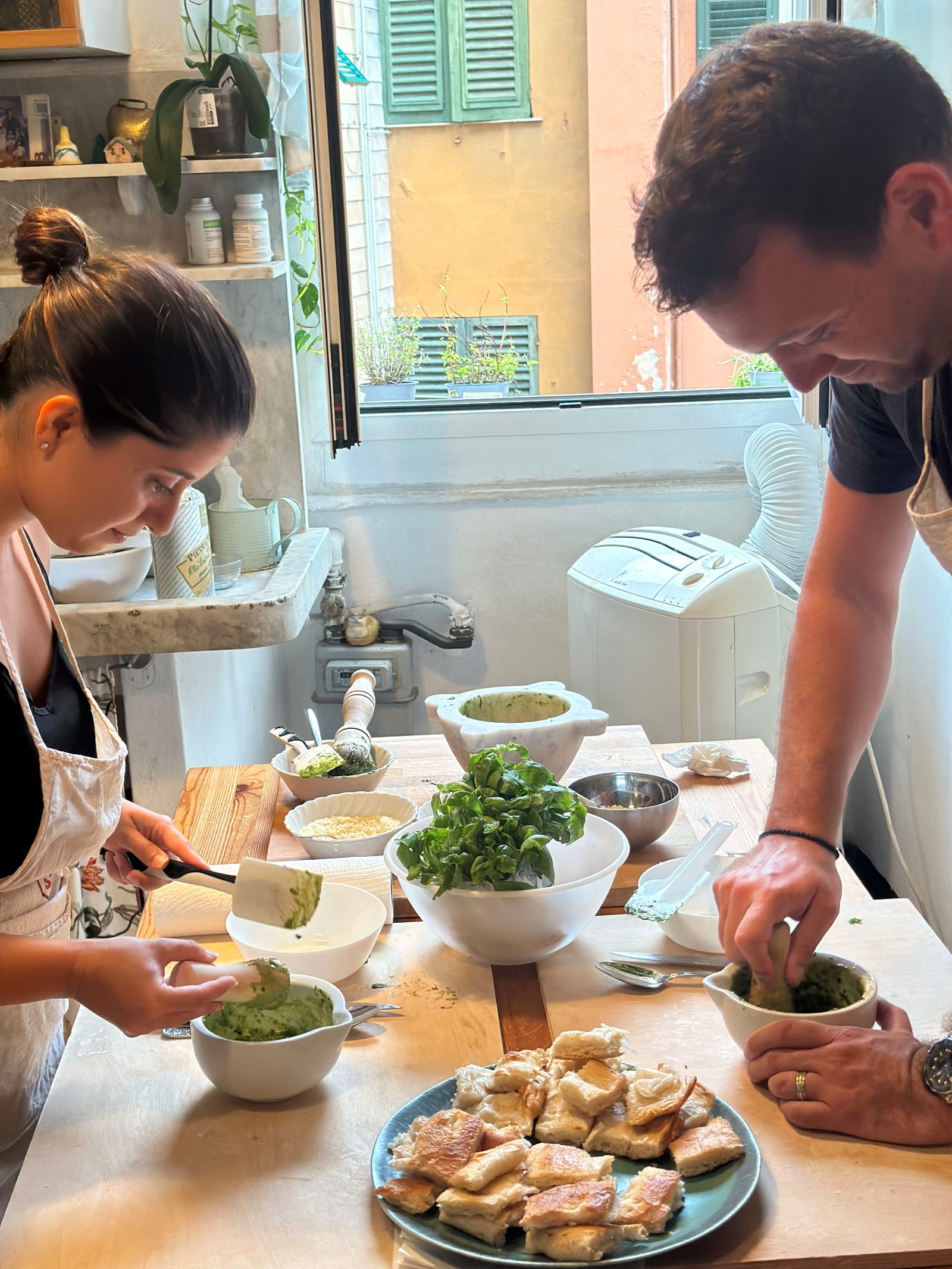
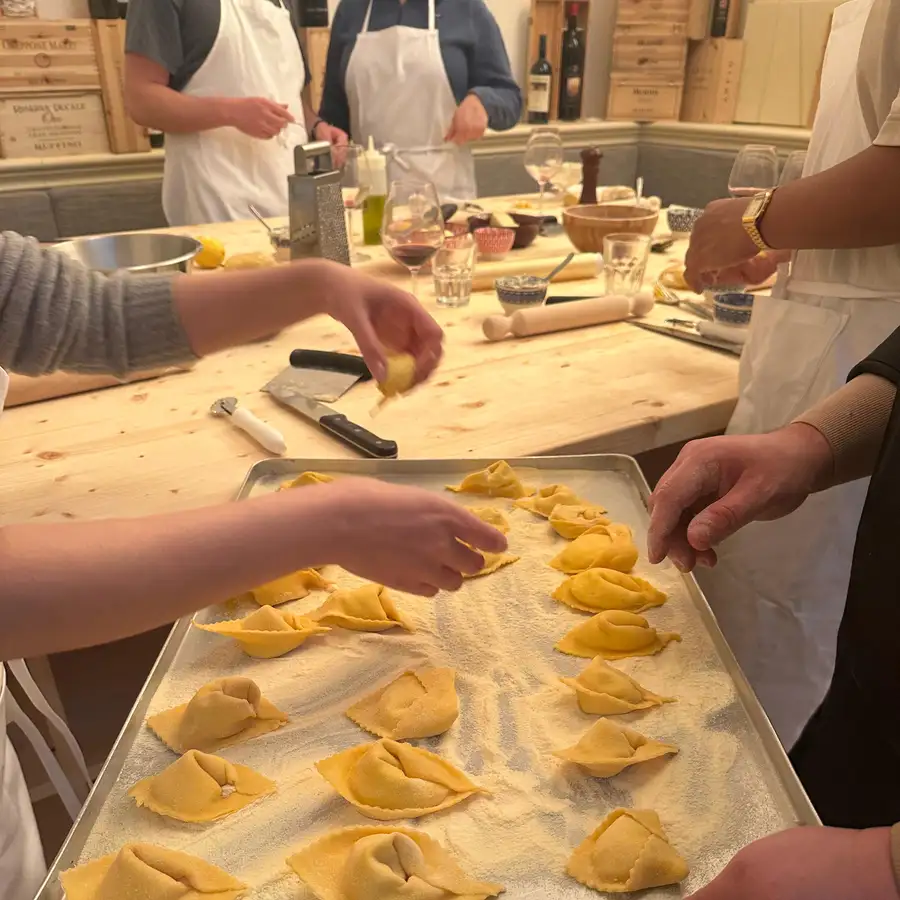
You crack, fold, and push. The dough resists for eight minutes, then gives. You roll it thin enough to read print through, cut trenette by hand, then pinch trofie one at a time against the board — a twist of the palm, faster once your wrist learns it. At the mortar you work Prà basil with coarse salt, garlic, pine nuts and pecorino, grinding in slow circles, never striking. The green comes up gradually, then all at once.
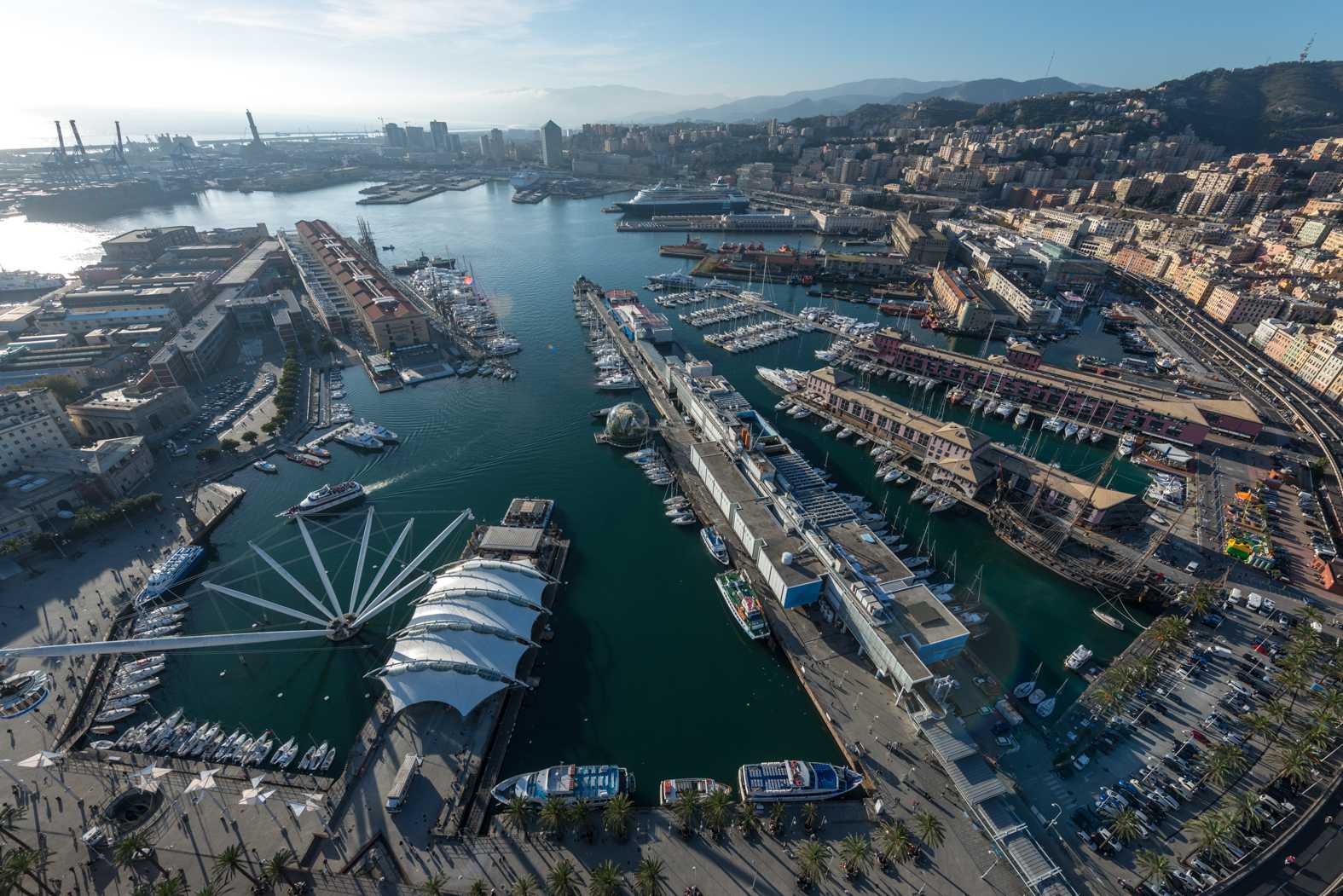
Then you sit. The pasta boils ninety seconds with potato and green beans, Ligurian style. On a rooftop session you eat with the harbour below and the Lanterna to the west; in a Genoese home you eat at the family table, elbow to elbow. Roughly three and a half hours after that first handful of flour, a pasta cooking class genoa tour closes the way it should — a plate you made, and a bowl of tiramisu you layered yourself.
All the details about your upcoming adventure in one place
Genoa wrote the rules for pasta before most of Europe wrote them down. In 1574 the city's Fidelari — the makers of dried, thread-thin pasta — set down statutes governing how their trade should be practised, among the earliest such codes on the continent.
That guild sensibility survives in the way a pasta cooking class genoa is taught today: as craft with standards, not improvisation. Locals still call it a corso di cucina genovese, and the phrase carries the same expectation of technique.
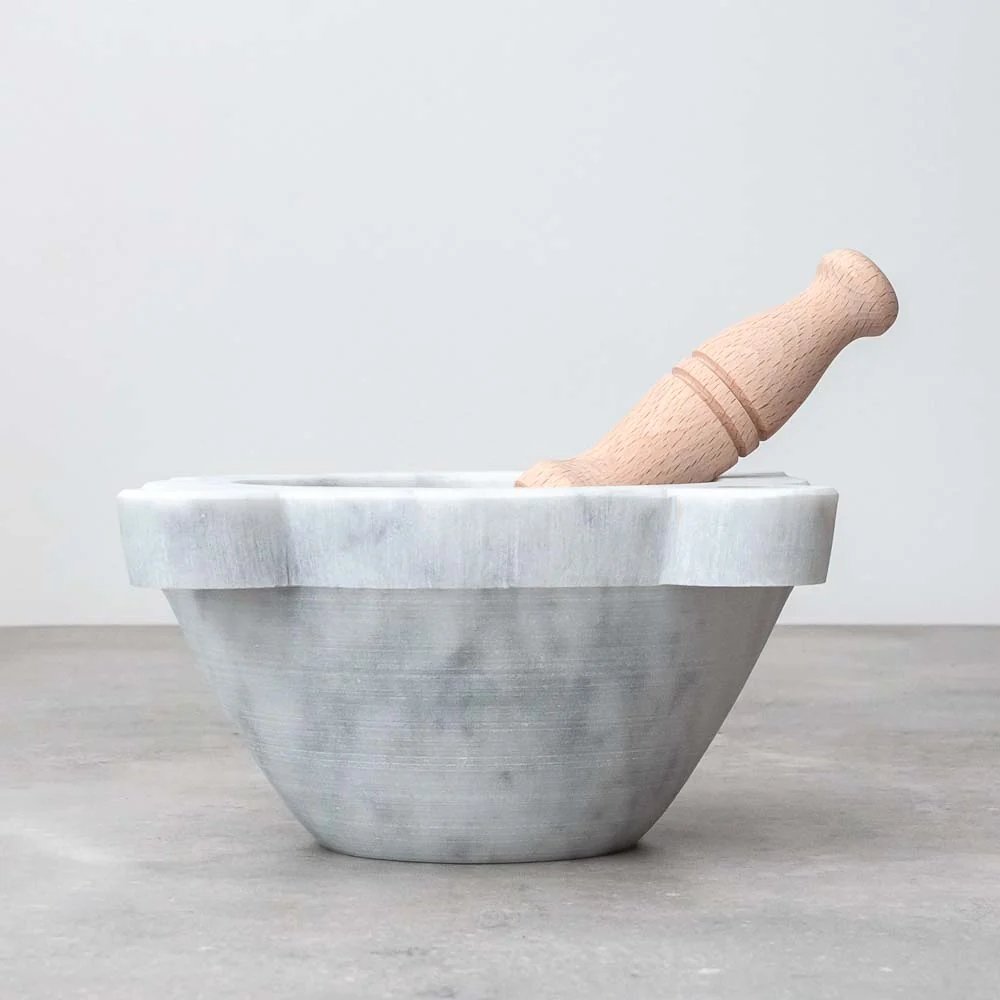
The sauce came later, and slowly. Pesto's ancestor was agliata, a rough garlic paste that Ligurian sailors carried on long voyages. Basil softened the harshest of it. The first printed recipe appeared in 1863, in Giovanni Battista Ratto's La Cuciniera Genovese, calling for basil, garlic, cheese, pine nuts and oil worked in a mortar. The mortar is still Carrara marble; the pestle is still boxwood; the motion is still a circular grind rather than a strike. Genoese cooks insist the distinction is not decorative — pounding bruises basil into bitterness.
The shapes belong to the geography. Trofie, twisted by hand, come from the coast around Sori and Recco. Trenette carry pesto with potato and green beans. Corzetti were stamped with the crests of Genoese families, pressed into discs the size of a coin. Pansoti are filled with preboggion, a foraged mix of wild greens, and dressed in walnut sauce. Most pasta cooking class genoa tours still begin where the ingredients do — at the Mercato Orientale, opened in 1899 inside the cloister of a former Augustinian convent, where the basil of Prà arrives in the morning in flat wooden crates.
What makes the city unusual is that this teaching happens indoors, in rooms that are themselves part of the inventory. Genoa's Rolli palaces — forty-two of them inscribed by UNESCO in 2006 — set the pattern for tall, narrow, frescoed interiors stacked above the caruggi, the alleys that stay in shadow at noon. Some kitchens open onto rooftop terraces above that dark grid, with the harbour and the Lanterna lighthouse in view; others are ordinary family apartments where a Michelin-trained chef or a grandmother works the same dough. Hands-on Ligurian cooking experiences listed under pasta cooking class genoa tickets are, in practice, an invitation into private Genoese rooms — a city that spent centuries as a closed republic now handing its household recipes to strangers, one board of flour at a time.

Genoa did not invent pasta; it wrote the rules for it in 1574, and never stopped teaching them.
Casual and comfortable clothing is recommended as you will be working with flour and dough. Closed-toe shoes are advised for safety in the kitchen.
Due to the intimate nature of the home kitchen, guests are encouraged to travel light. Secure storage for large luggage is not provided.
Photography is encouraged during the pasta cooking class genoa tour, especially while gathering ingredients at the market and during your final meal.
The kitchen environment is welcoming for families and children. Please communicate any specific dietary needs or group size requirements during booking.
The experience takes place in a historic building located on the 5th floor without an elevator. Please account for the climb when booking your pasta cooking class genoa.
All necessary ingredients, regional wines, and local liqueurs are provided as part of the class. Outside food and drink are not permitted.
Duration
3.5-hour standard class
Address
Genoa, Italy
Accessibility
Historic home; 5th floor without elevator
Arrival
09:00–15:00
Storage
Not available on-site
Meeting
Mercato Orientale di Genova
Public transport · Walk · The historic center is pedestrian-friendly; follow local signs to reach the meeting point.
Use the AMT bus network to reach Mercato Orientale di Genova easily from the station.
Full refund is provided for cancellations made more than 72 hours before the start of the class, excluding applicable bank charges. Cancellations within this window are subject to the standard fee policy.
Recommended time
3.5 hours
A standard pasta cooking class genoa typically requires 3.5 hours to properly master regional dough techniques. We recommend an arrival between 09:00–15:00, which serves as the optimal time for fresh market ingredients and daylight for preparation during your genovese culinary workshop. While these pasta cooking class genoa tours maintain consistent pacing, arriving early ensures you experience the local market atmosphere before the kitchen session begins. Guests seeking pasta cooking class genoa tickets should plan for the full duration to complete their handmade trofie or pansotti with pesto.
Crowd levels through the day
Weather · crowds · average price — dots go green to amber to red as each metric rises.
Mild temperatures make walking through the historic center and caruggi ideal before the afternoon heat.
Spaces for the pasta cooking class genoa fill up weeks in advance due to small group sizes.
Genoa City Center
Primary meeting point for market-to-table classes.
Get directionsGenoa's pasta history begins with documents, not legend. A notarial inventory drawn up in Genoa in 1279 for the estate of the soldier Ponzio Bastone lists a "bariscella plena de macaronis" — a basket full of macaroni. It is among the earliest written records of dried pasta in Italy. The city was then a maritime republic. Dried pasta kept on long voyages, and Ligurian ships carried it west. By the sixteenth century the trade had organised itself. In 1574 the Corporazione dei Pastai, a guild of pasta makers, was formally recognised in Genoa; a parallel corporation followed in Savona in 1577. Guild statutes fixed flour quality and drying practice. The narrow carruggi of the old town filled with workshops. Semolina from Sicily and Apulia arrived through the port, and the sea wind of the Riviera dried the strands. Trofie, trenette and the paper-thin corzetti stamped with family crests all belong to this period. Pesto genovese, in the form written down by Giovanni Battista Ratto in 1863, joined them later. Mechanisation nearly ended the artisan line. Nineteenth-century mills concentrated production, and after the Second World War industrial brands displaced household pasta making across Liguria. What survived was domestic and oral: hand-rolled trofie, a marble mortar, a wooden pestle. That transmission is what a modern pasta cooking class genoa now formalises, moving instruction from kitchen table to small studio. Operators such as A Small Kitchen in Genoa, at https://www.asmallkitcheningenoa.com, run daily sessions between 09:00 and 19:00. Today's cucina genovese workshops preserve the older sequence — market, mortar, board. Visitors booking pasta cooking class genoa tickets encounter techniques the 1574 guild would recognise. Arriving between 09:00 and 15:00 secures fresh market basil and daylight for preparation, the same conditions that shaped the craft. Corzetti stamps are still carved by hand in Liguria; the pesto is still pounded, not blended.
A Genoese notarial inventory records a basket of macaroni among Ponzio Bastone's possessions.
The Corporazione dei Pastai, Genoa's guild of pasta makers, receives formal recognition.
A parallel pasta makers' corporation is established at Savona, extending guild rules along the Riviera.
Wooden corzetti stamps carved with family crests spread through Ligurian households and monasteries.
Giovanni Battista Ratto publishes La Cuciniera Genovese, printing an early written recipe for pesto.
Industrial mills and packaged brands concentrate pasta production, pushing hand-rolling into the home.
Small studios in the old town begin teaching trofie and pesto to visitors, reviving the artisan sequence.
Daily sessions run 09:00–19:00, with morning arrivals timed to the fresh market supply.
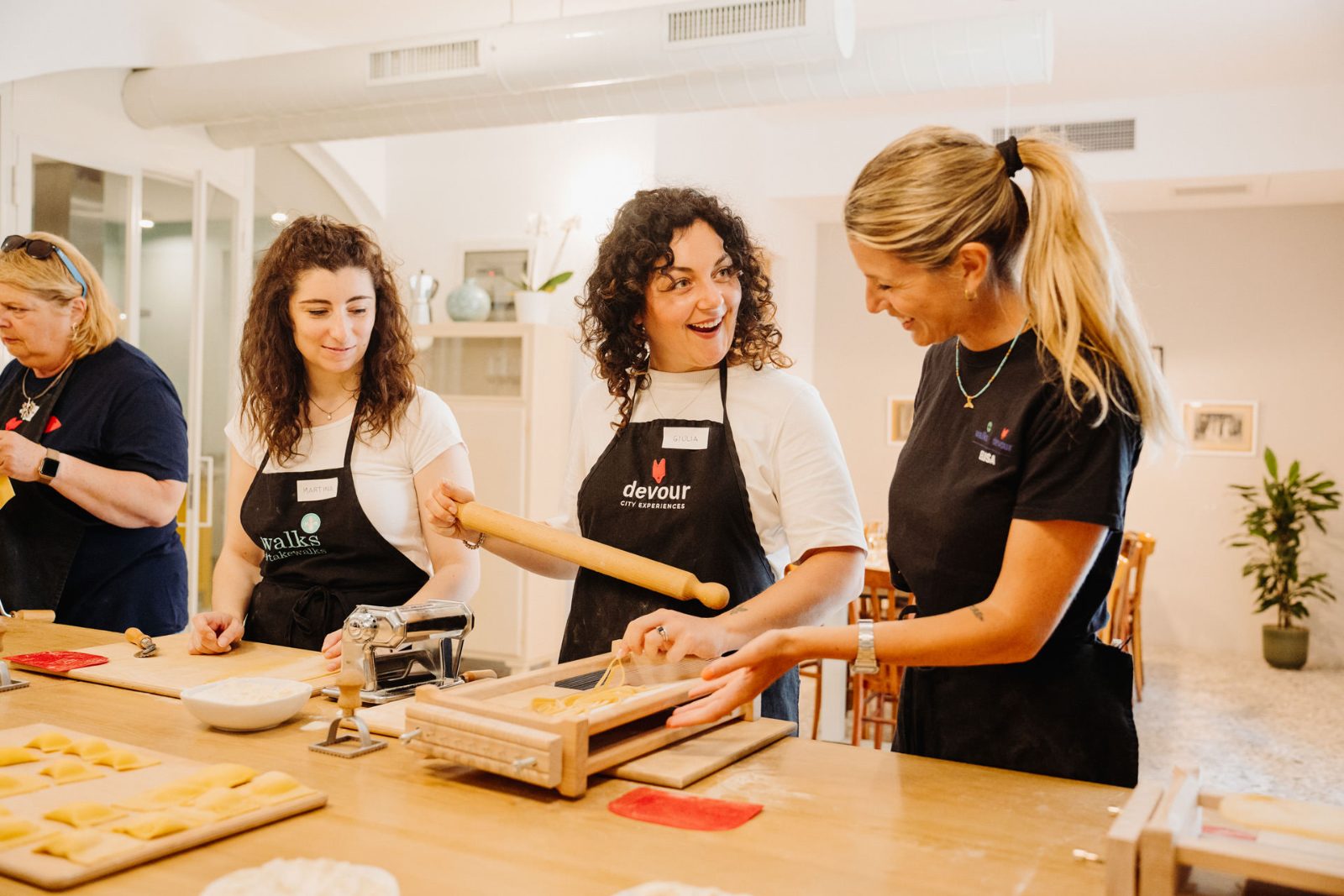
Position your camera directly overhead to capture the rhythmic folding of dough during your pasta cooking class genoa; ensure hands are dusted with flour for a sharp textural contrast.
Capture a close-up of the traditional basil grinding technique using the wooden pestle, a highlight of pasta cooking class genoa tours; stand at a 45-degree angle to the workstation for depth.
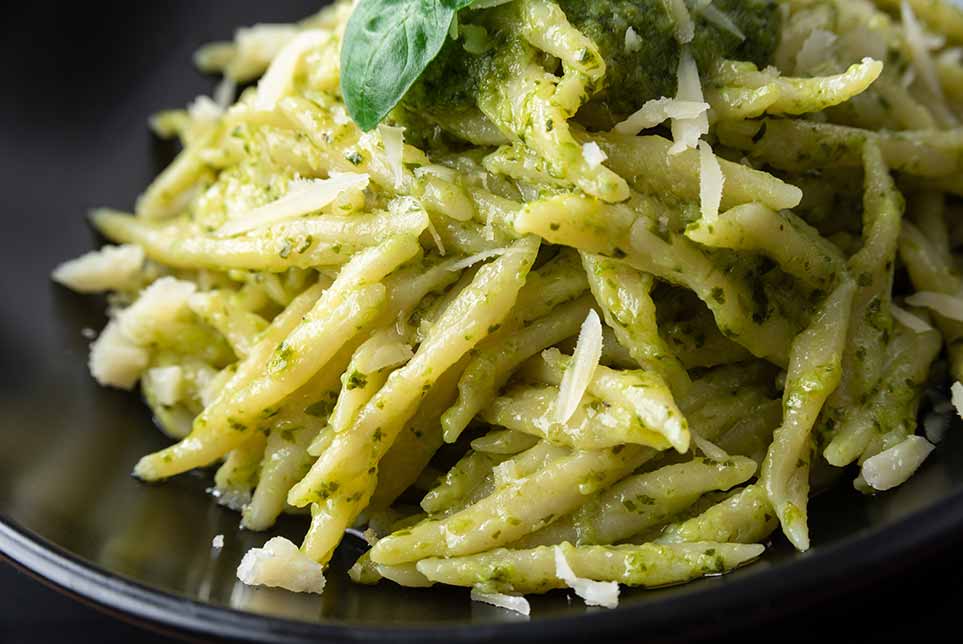
Focus on the unique spiral shape of the local pasta variety near a window to utilize natural light for your pasta cooking class genoa tour; place the finished tray on a rustic wooden board.
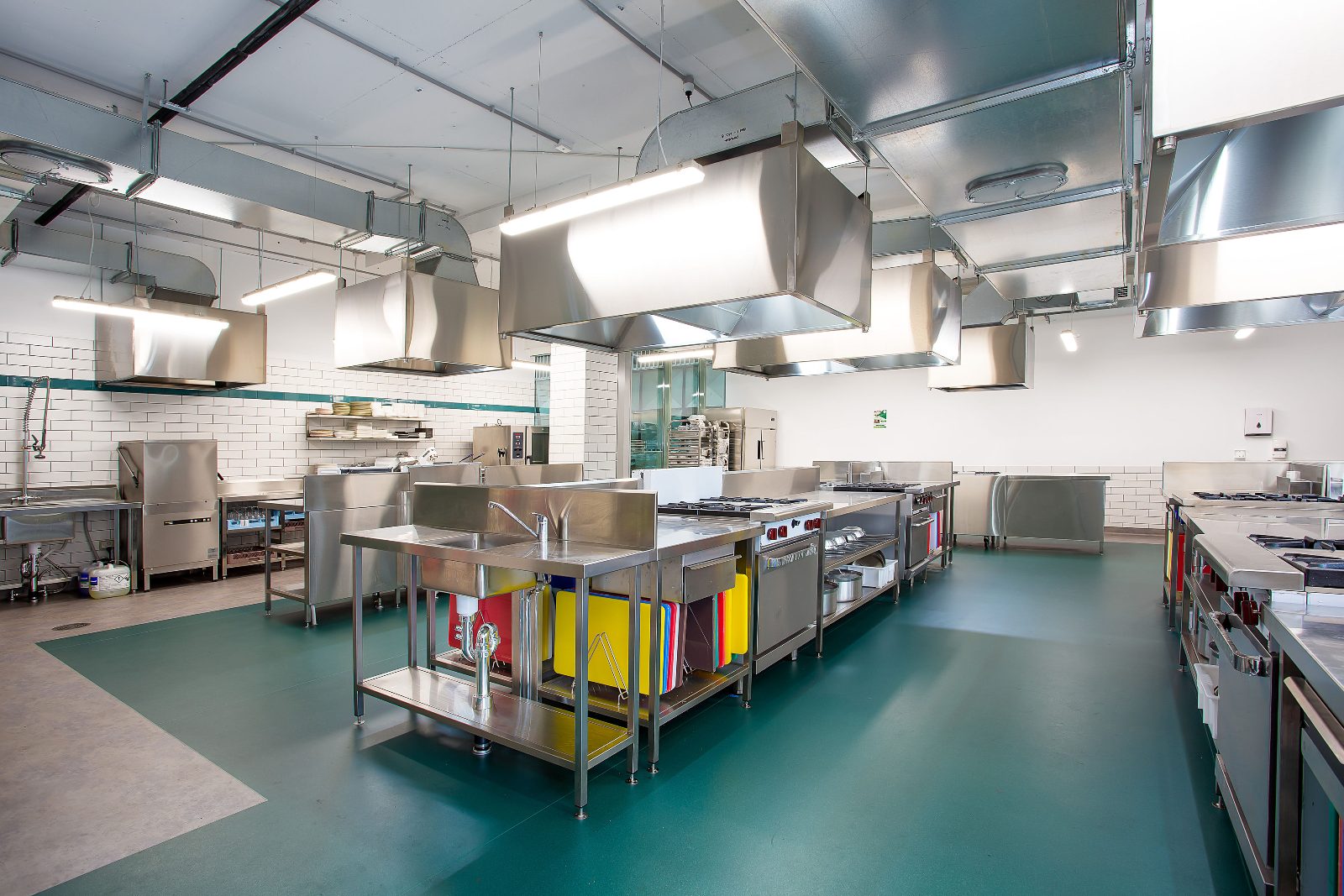
Frame the wide view of the stainless steel or wooden kitchen setup where students receive their pasta cooking class genoa tickets for entry; ensure all mise-en-place bowls are clearly visible.
Participating in a pasta cooking class genoa offers a hands-on way for families to engage with local culinary traditions. This activity allows children to learn the art of hand-rolling dough while experiencing the authentic culture of Genoa, Italy.
The historic city center and kitchen venue may have narrow corridors or stairs, so a lightweight, collapsible stroller is recommended for your pasta cooking class genoa tours. Leave bulky equipment behind to ensure easier movement through the traditional workshop space.
This experience is best suited for children aged six and older who can safely handle rolling pins and follow multi-step instructions during a pasta cooking class genoa tour. Younger children may find the precise motor skills required for shaping trofie or gnocchi challenging.
Participants consume the dishes they prepare, which provides a familiar and rewarding meal for children who enjoy participating in the process. Ensure you mention any specific dietary allergies when securing your pasta cooking class genoa tickets so the host can prepare appropriate fresh market ingredients.
The venue is a working kitchen environment, so expect standard hand-washing stations rather than dedicated family restrooms. We suggest visiting a nearby public facility before your session begins at the address in Genoa, Italy.
The 3.5-hour duration allows for a relaxed pace where families can knead flour and water without feeling rushed. Plan your day within the 09:00–15:00 arrival window to maximize daylight hours for your Italian food experience.
Finding a authentic meal near your pasta cooking class genoa is effortless, as the surrounding historic center is densely packed with traditional Ligurian eateries. Whether you are looking for quick pasta cooking class genoa tours or a relaxed spot to reflect on your day, the nearby narrow alleys offer excellent regional flavors.
This popular spot specializes in fresh seafood and traditional pesto, making it a perfect follow-up to your pasta cooking class genoa tour. It can get busy, so consider booking your pasta cooking class genoa tickets well in advance to coordinate your lunch or dinner plans.
Everything you need to know for your journey
The minimum price per person for a standard 3.5-hour class is 160 EUR.
Yes, these intimate sessions fill up quickly and booking your pasta cooking class genoa tickets in advance is required.
The kitchen operates daily from 09:00–19:00.
The venue is in a historic 5th-floor apartment without an elevator, which may limit accessibility.
No, all ingredients, local wine, and food are provided during the pasta cooking class genoa.
The meeting point is at the Mercato Orientale di Genova; walking or public transport is recommended.
Casual, comfortable clothing is best for the pasta cooking class genoa as you will be working with flour.
Yes, children are welcome to participate in the pasta cooking class genoa for a family-friendly experience.
You may cancel your pasta cooking class genoa booking for a full refund up to 72 hours before the start time.
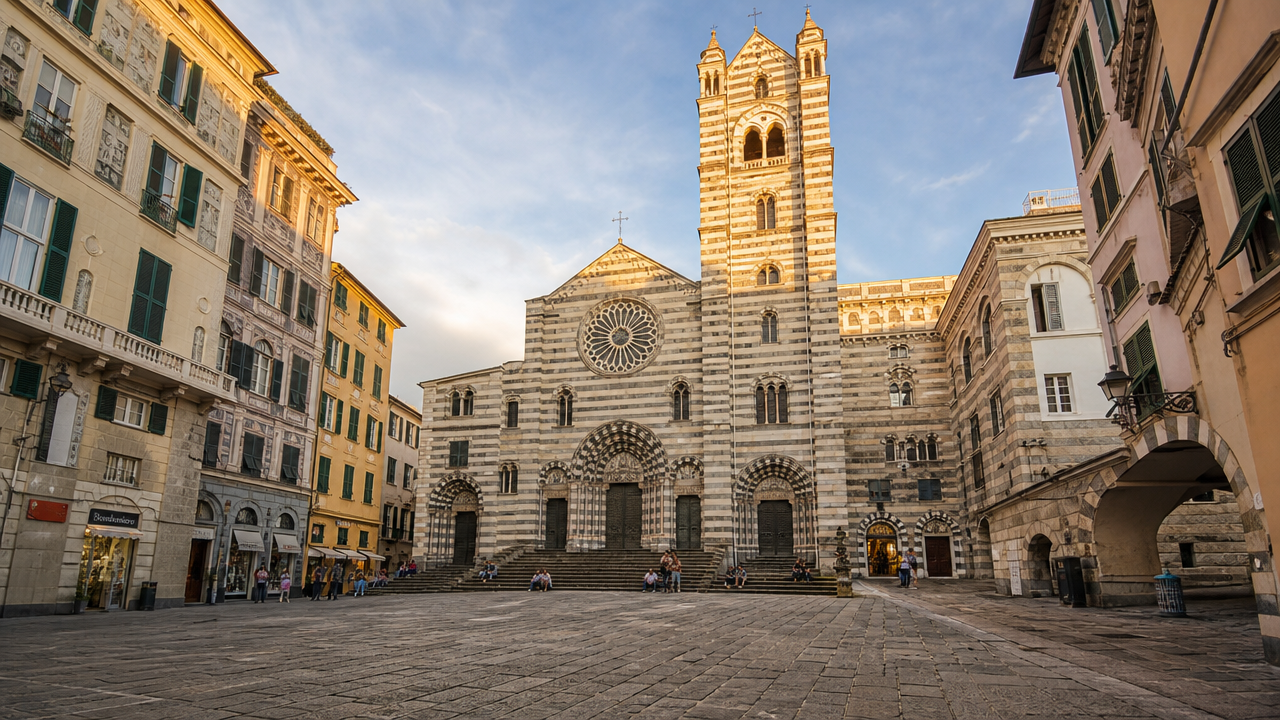
Striking black-and-white striped marble facade in the old town.
Stay in the heart of the historic center for easy access to classes.
Join thousands of happy travelers who have discovered this incredible experience
Book Your Experience Now